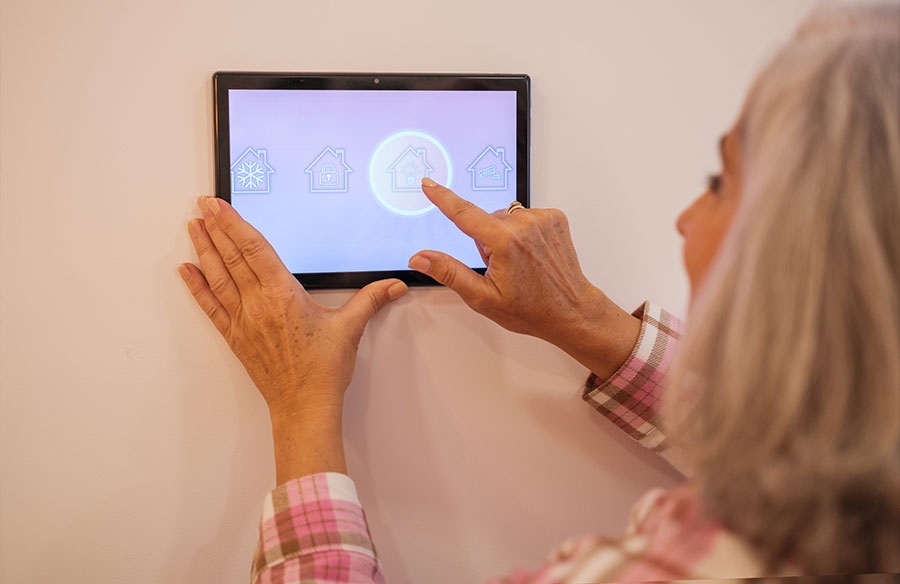
Many share similar desires and priorities as people age, like remaining in their homes rather than moving into assisted living or nursing facilities. As the population ages and the preference for independence grows, aging in place becomes an increasingly important goal for individuals and families. Technology is crucial in making this possible by supporting safety, health, and daily routines without in-person assistance.
One of the most impactful innovations is smart home technologies, including devices and systems that automate tasks, monitor health, and enhance safety, making it easier for seniors to maintain their independence while staying safe and connected in their homes. As this trend continues, resources such as Boomer Benefits can offer valuable guidance on Medicare options that align with these goals.
The Need for Aging-in-Place Solutions
Longer life spans and a growing senior population fuel interest in aging in place. Many seniors strongly desire to maintain independence and remain in their homes for as long as possible. However, traditional care models, such as assisted living facilities or nursing homes, often come with high financial costs, limited personalization, and emotional resistance stemming from a lack of autonomy.
Alternatively, aging in place supports physical well-being and significant emotional and psychological benefits, including comfort, familiarity, and a sustained connection to community and memories. These factors underscore the urgent need for solutions that make independent living safe and sustainable.
Key Smart Home Technologies Empowering Aging in Place
Safety and Security
Safety and security are two essential components of aging in place, and smart home technology makes it easier than ever to protect older adults in their homes. Devices such as smart doorbells and locks allow you to control access remotely and monitor those who visit your home in real-time, providing a sense of security and peace of mind. Installing motion sensors and fall detection systems can help track movement and immediately alert emergency responders or caregivers if an accident occurs. These devices promote a safer, more secure environment supporting independent living.
Health and Wellness Monitoring
Maintaining health and wellness is another essential component of aging in place, and new innovative technologies are playing a key role in supporting the well-being of older adults. Wearable devices make monitoring vital signs, such as heart rate, blood pressure, and oxygen levels, more accessible. Programming smart medication dispensers to provide timely reminders and dispense the correct dosage helps reduce the risks of missed or incorrect medications.
These tools can connect with remote monitoring systems, allowing doctors and caregivers to monitor health data from afar and step in when needed. This ongoing, connected care helps older adults stay on top of their health while living comfortably at home.
Convenience and Daily Living Assistance
Voice assistants like Alexa or Google can provide helpful reminders, control systems within your home with simple voice commands, and even offer a sense of companionship. Smart appliances like stoves, lights, and thermostats allow for easier control over your home without constantly having to get up, improving both safety and comfort.
Automated cleaning tools like robot vacuums reduce the physical strain of household chores, helping seniors maintain a clean home with less effort. These tools make day-to-day life more manageable, allowing older adults to stay independent longer.
Benefits and Opportunities
Integrating smart home technology offers benefits and opportunities for aging in place. By enabling independence and autonomy, this technology empowers seniors to manage their daily routines with less need for caregivers. The real-time monitoring systems and emergency alerts provide peace of mind for those with families or occasional caregivers.
Additionally, wearable devices allow for early detection of health issues and can lead to timely interventions, reducing the costs of frequent hospital or office visits. Ultimately, these innovations enhance the quality of life and emotional well-being.
Challenges and Considerations
While smart home technologies present many promising solutions for aging in place, they also bring challenges and considerations. Privacy and data security have become a top concern, especially as health information is collected and transmitted across connected devices. The accessibility and ease of use are essential as many older adults may face barriers that hinder the adoption of this new technology. The devices aren’t cheap, making the cost a concern for some, especially those on a fixed income.
Moreover, the need for ongoing technical support for such devices can lead to frustration and limit the efficiency of these technologies. Addressing these issues is essential to ensure that smart home solutions are inclusive, secure, and genuinely supportive of independent aging.
The Road Ahead: Future Trends
The future of aging in place is full of exciting possibilities as new technologies evolve. Artificial intelligence and predictive analytics are making it possible to spot early signs of health issues, allowing for more proactive care rather than reactive. As smart homes connect with telehealth services and even infrastructure within the city, older adults will benefit from more seamless and supportive living environments.
At the same time, a new wave of startups is rolling out smart tools and devices that make it easier for older adults to stay safe, healthy, and independent at home. Strong policy support and investment in digital infrastructure are essential to make these advancements widely available. With proper support, these trends can help aging in place become a more realistic and rewarding option for many people.
Conclusion
Smart home technologies are steadily reshaping what it means to age in place, offering practical ways to support safety, independence, and overall well-being at home. As these innovations evolve, thoughtful collaboration among technology developers, healthcare providers, policymakers, and families will play a key role in shaping their success. Together, these efforts point toward a future where aging can happen with dignity, comfort, and greater peace of mind and where many people feel most at home.