When you think of World of Warcraft (WoW), the first things that come to mind might be thrilling quests, epic battles, and sprawling fantasy landscapes. However, beyond the game mechanics and storytelling lies an extraordinary example of environmental and urban design—one that architects and designers can draw real-world lessons from.
From the majestic spires of Stormwind to the tribal geometry of Orgrimmar, the world of Azeroth offers not just visual spectacle but a masterclass in how space, culture, and emotion can be woven into architecture. As we continue to rethink the future of our built environments—especially in an era of immersive experiences and digital integration—there’s much to learn from WoW’s virtual cities.
Fictional Cities Rooted in Real-World Concepts
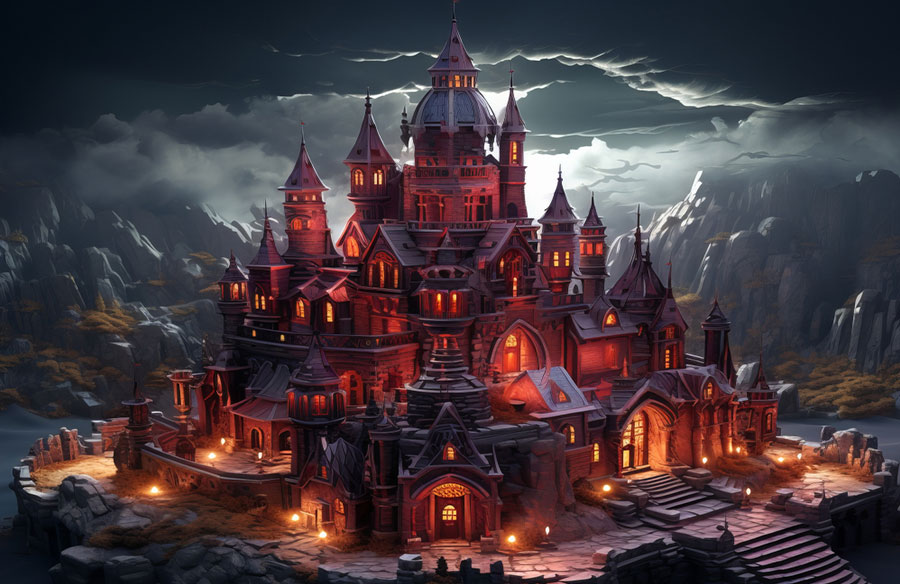
Despite being fictional, many of the cities in World of Warcraft are based on real architectural principles. Take Stormwind, for example. Its sweeping bridges, fortified walls, and neo-Gothic cathedrals speak to traditional European urban planning and medieval design. This isn’t just visual homage—it creates a sense of order, security, and hierarchy that mirrors historical cities like Prague or Vienna.
In contrast, Orgrimmar is the embodiment of utilitarian tribalism. Built into the rocks and reinforced with spiked wood and iron, it conveys power, ruggedness, and cultural identity. The design reflects how architecture can visually communicate values and societal structures.
These environments aren’t just designed for aesthetics—they serve as functional hubs where players congregate, trade, strategize, and socialize. This blend of form and function is precisely what makes real-world urban centers succeed or fail.
Lessons in Immersive Urbanism
One of the key takeaways from WoW’s cities is the importance of immersion. A city’s success, both digitally and physically, depends on how people feel when they occupy its space. In Azeroth, spatial coherence—how architecture matches narrative, character, and use—plays a big role in player engagement.
Modern architects are beginning to consider similar factors as digital and physical environments continue to merge. Whether designing an airport, a public park, or even a virtual conference center, the need to create environments that are emotionally resonant, easy to navigate, and culturally expressive has never been more critical.
In fact, some urban theorists argue that video games like World of Warcraft are inadvertently shaping how a new generation understands space. Through repeated exposure to cities that feel “alive,” gamers may develop a subconscious expectation for real-world environments to match that same level of interactivity and coherence.
Sustainability and the Digital Metaverse
Another interesting intersection is sustainability. While Azeroth isn’t exactly a model of green living—what with its dragon lairs and battlegrounds—it does reflect localized ecosystems and environmental storytelling. Zones like Elwynn Forest, Mulgore, and Zangarmarsh each have distinct biomes that influence architecture and lifestyle within the game.
As we build the metaverse and explore virtual living spaces, sustainable design isn’t just about solar panels and recycled materials anymore. It’s also about creating resilient environments that feel meaningful and connected—whether physical or digital. In that respect, the detailed world-building of WoW is ahead of its time.
Reimagining Design Through Gameplay
Designers and architects are increasingly turning to game worlds for inspiration. Tools like VR modeling and gamified city planning already borrow heavily from the logic and layout of MMORPGs like World of Warcraft. The sense of community hubs, movement paths, and interactive landmarks are all part of what urban designers aim to create in real cities.
And for those who want to explore this fascinating world more deeply, but may not have the time to grind through every questline, services like WoW carry offer a shortcut to experience high-level content without missing the environmental and architectural richness of the game.
Conclusion
World of Warcraft might be a fantasy game, but its cities are serious case studies in immersive design. As we rethink the future of urbanism, education, and digital life, it’s worth asking: what can architects and planners build when they start thinking like world-builders?
Because sometimes, the future of architecture isn’t just built—it’s played.