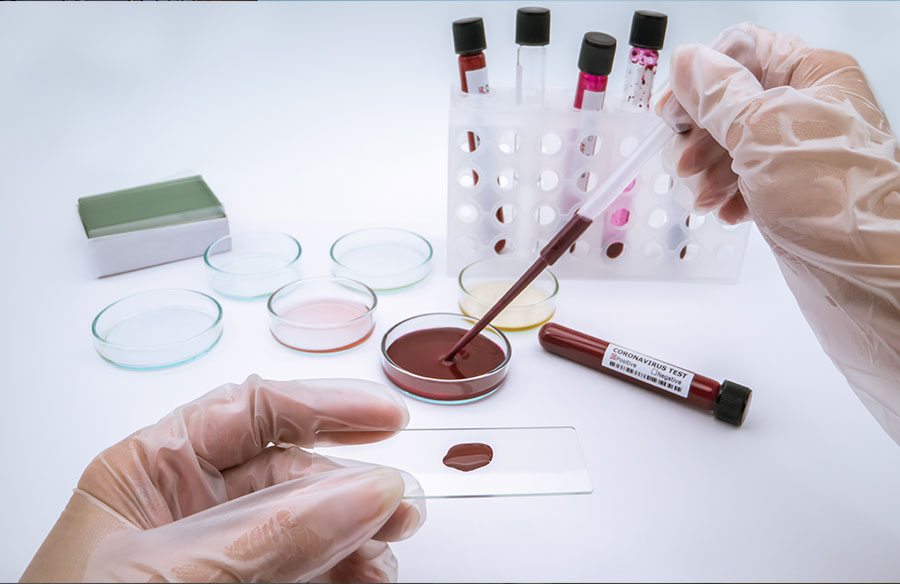
Cosmetic lab testing is a crucial process that ensures the safety, stability, and effectiveness of cosmetic products before they reach the market. It involves scientific analysis and laboratory procedures to verify that a product is safe for human use, performs as intended, and complies with regulatory standards. These tests are essential for both consumer protection and legal compliance, particularly in regions like the European Union, the United States, and other regulated markets.
Types of Cosmetic Tests
Several types of laboratory tests may be required depending on the product type, ingredients used, and the target market. The most common tests include:
- Microbiological Testing: Ensures the product is free from harmful bacteria, yeasts, and molds. This is especially important for water-based or natural formulations.
- Preservative Efficacy Test (Challenge Test): Verifies the ability of the preservative system to withstand microbial contamination over time.
- Stability Testing: Determines how the product performs under various environmental conditions (heat, light, humidity) and over a specified period.
- Compatibility Testing: Ensures that the formulation remains stable within its packaging.
- Dermatological Patch Testing: Evaluates skin compatibility and the potential for irritation or allergic reactions.
- Ophthalmological Testing: Required for products intended for use around the eyes, such as mascaras and eyeliners.
- Efficacy Testing: Demonstrates the performance claims made on the product, such as moisturization, anti-aging, or oil control.
Why Cosmetic Testing is Important
Testing is not just a formality—it protects public health and supports product integrity. It prevents harmful products from reaching consumers, ensures accurate labeling, and helps maintain brand reputation. Additionally, proper lab testing is often a legal requirement. For example, in the EU, cosmetic products must pass safety assessments supported by reliable test data in order to be legally sold.
Regulatory Requirements
Different countries have specific requirements for cosmetic testing. In the EU, testing must support the Cosmetic Product Safety Report (CPSR), which is mandatory under Regulation (EC) No 1223/2009. In the U.S., the FDA requires manufacturers to ensure their products are safe and properly labeled, although specific pre-market approval is not required. Many countries also prohibit animal testing, emphasizing the need for validated alternative methods.
Working with a Certified Laboratory
Partnering with a qualified laboratory ensures that tests are conducted in compliance with Good Laboratory Practice (GLP) and ISO standards. Laboratories can help formulate a testing strategy, select the appropriate methods, and provide official test reports that are recognized by regulatory authorities. Choosing a reliable lab helps streamline product development and avoids costly reformulations or delays.
Investing in professional cosmetic lab testing is essential for launching a safe, high-quality, and compliant product that builds trust with consumers and meets all regulatory expectations.