AI has transformed creative media, offering artists, marketers, and filmmakers the ability to create content faster and more flexibly. From still photos to dynamic clips, visual storytelling has arrived at a new milestone. Thanks to AI-driven platforms, static visuals can now instantly become cinematic experiences.
In 2025, image-to-video technology will no longer be a novelty. Today, it’s a genuine storytelling tool across industries like social media, advertising, animation, tourism, and film production. Creators need tools that are realistic, consistent, and yet still manageable. The best AI video generator platforms give you precision, speed, and creativity.
This article will help you learn about seven top-tier tools that are really going to push the boundaries of what’s possible in 2025. All have their own unique thing, from real-time scene consistency to surreal visual narratives.
1. Vidu
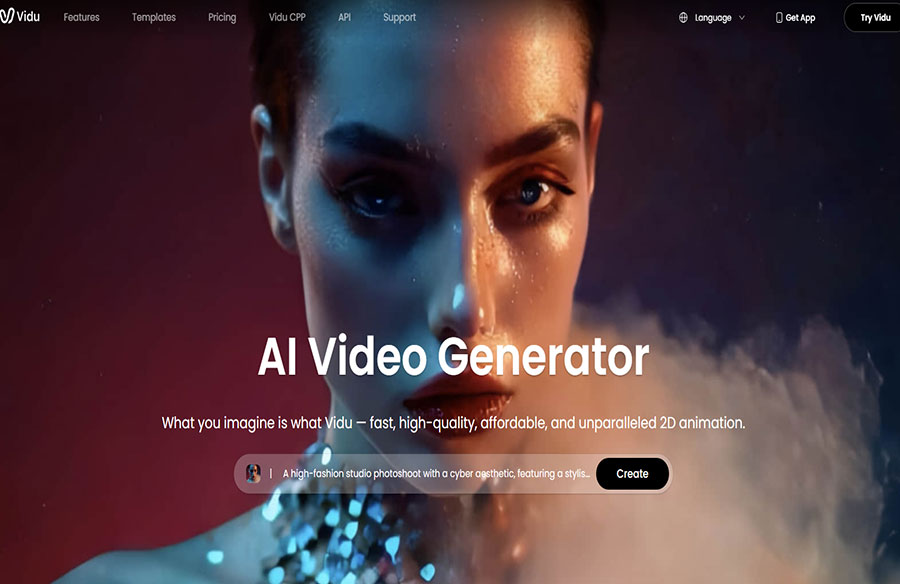
Blazing fast video creation and unbeatable animation quality, Vidu leads the pack. It is able to generate videos in just 10 seconds, turning one image into a cinematic sequence. Vidu is excellent at working with anime, realistic photography, or illustrations.
Reference to Video is its standout feature, guaranteeing your characters or scenes remain visually consistent from frame to frame and angle to angle. Use the first and last frames for professional transitions. You can make anime, tourism promos, product ads, or emotional social clips. Vidu even allows you to animate images like vintage portraits or paintings into lifelike motion.
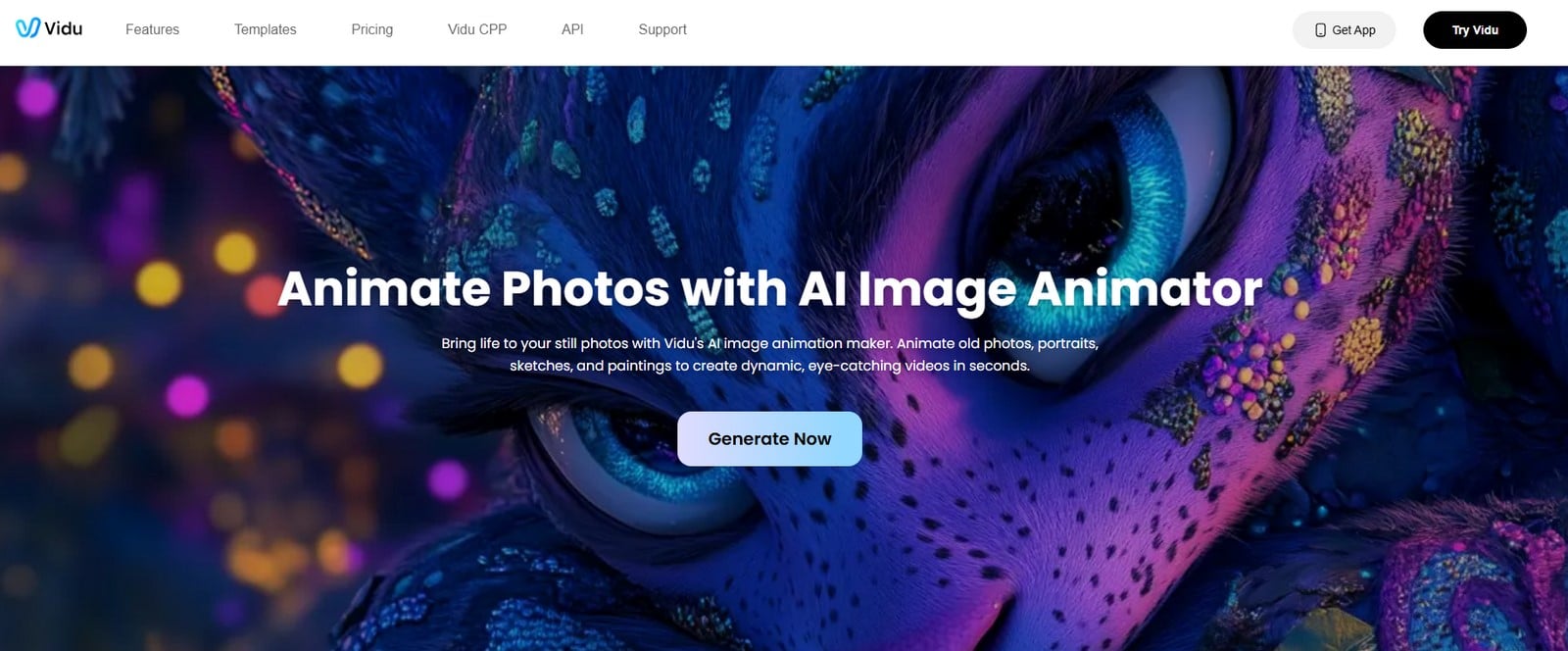 Vidu works in surreal, photo-realistic, illustrated and sketch style. There are templates like kisses, hugs, AI outfits and more which provide creative flair without manual editing. Vidu is the most versatile and efficient platform for anyone looking to animate images or create full motion from stills in 2025.
2. Google Veo 3
Veo 3 is designed for filmmakers and professionals who want control over scene progression, emotion, and character consistency. With film-grade features like natural lip sync, camera movement, and emotional pacing, it feels like directing a real crew.
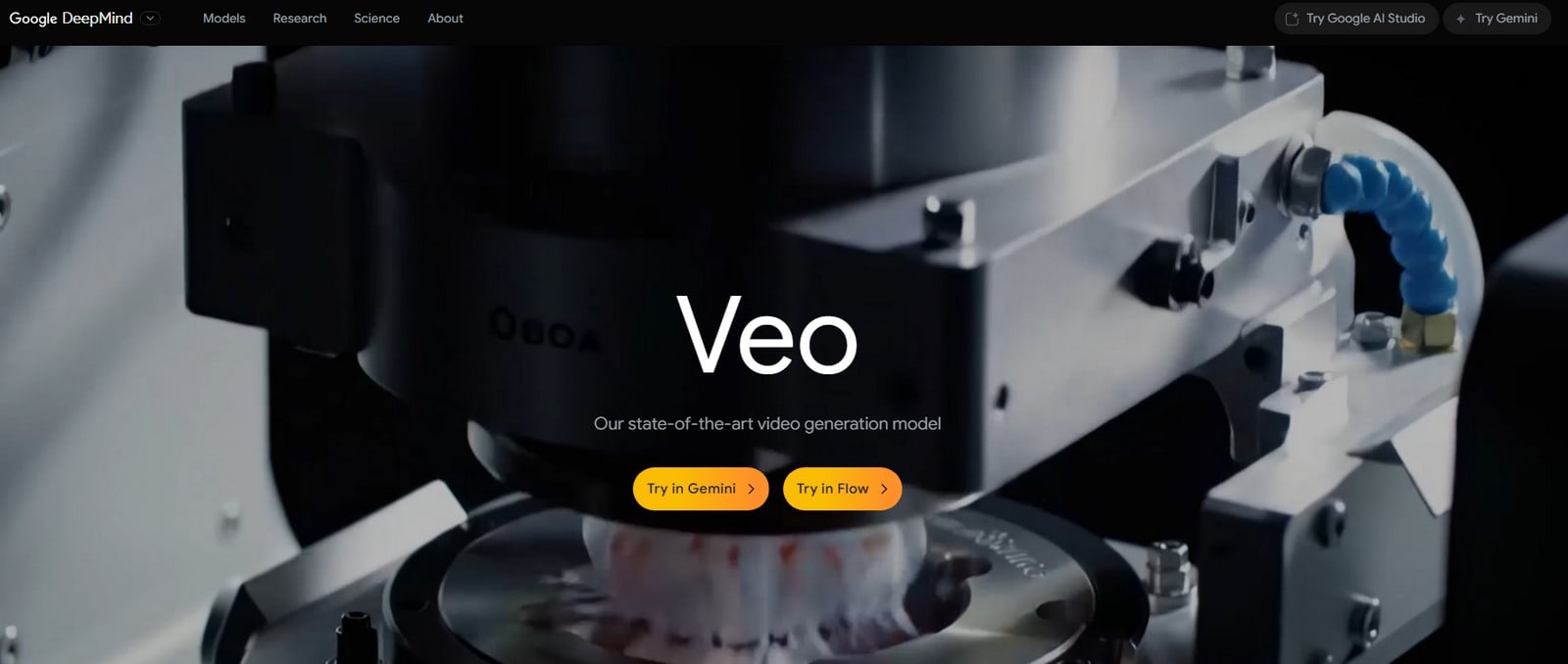 It excels in preserving character appearance across different scenes. This means you can build long-form narratives or trailers that flow naturally. Veo 3 runs best on the high-end Gemini Ultra plan, but the investment pays off in quality and creative freedom.
3. Hailuo
Hailuo delivers strong performance in visual clarity and prompt interpretation. Upload a character reference, and the tool accurately places that subject in new scenes. Its intuitive engine responds well to specific prompts, making it ideal for targeted animation.
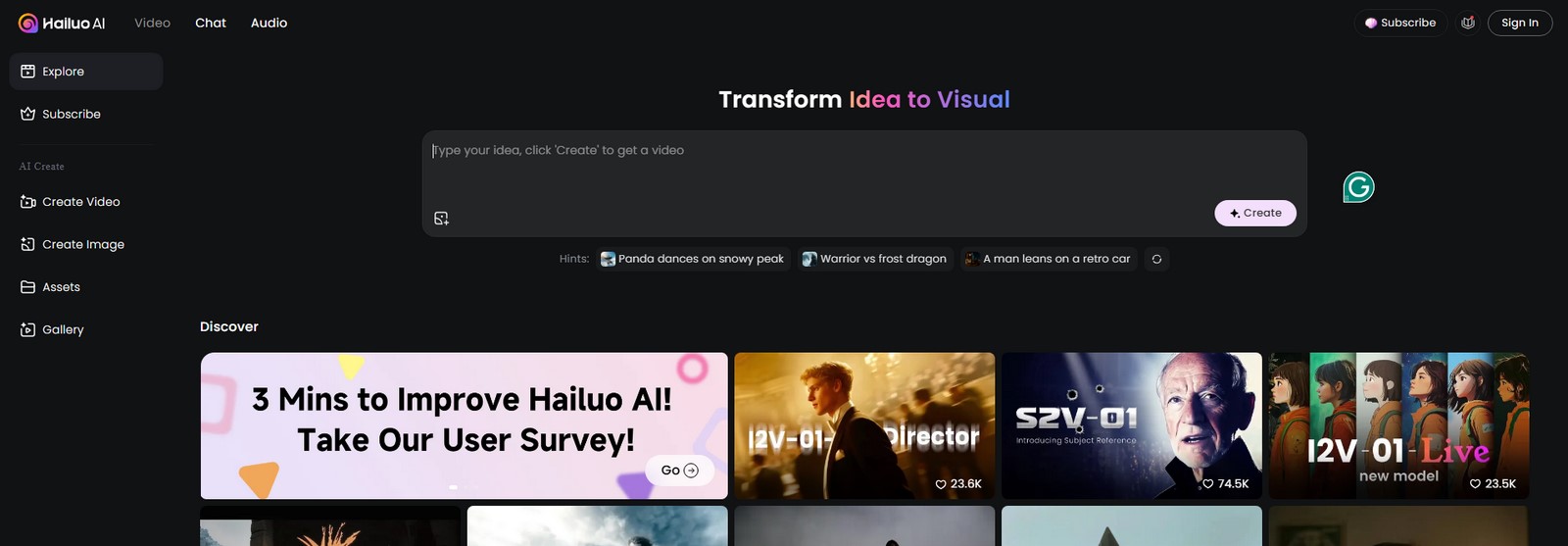 The main limitation is video length—currently capped at six seconds. Wide shots may lose detail, and close-ups might glitch. Still, if you’re crafting quick, stylized clips, Hailuo offers impressive visual fidelity.
4. Kling
Kling stands out with its advanced motion controls. You can fine-tune facial expressions, blinks, walking patterns, and even minute gestures using its creativity sliders and customization tools. It offers HD video output and element editing for precise storytelling.
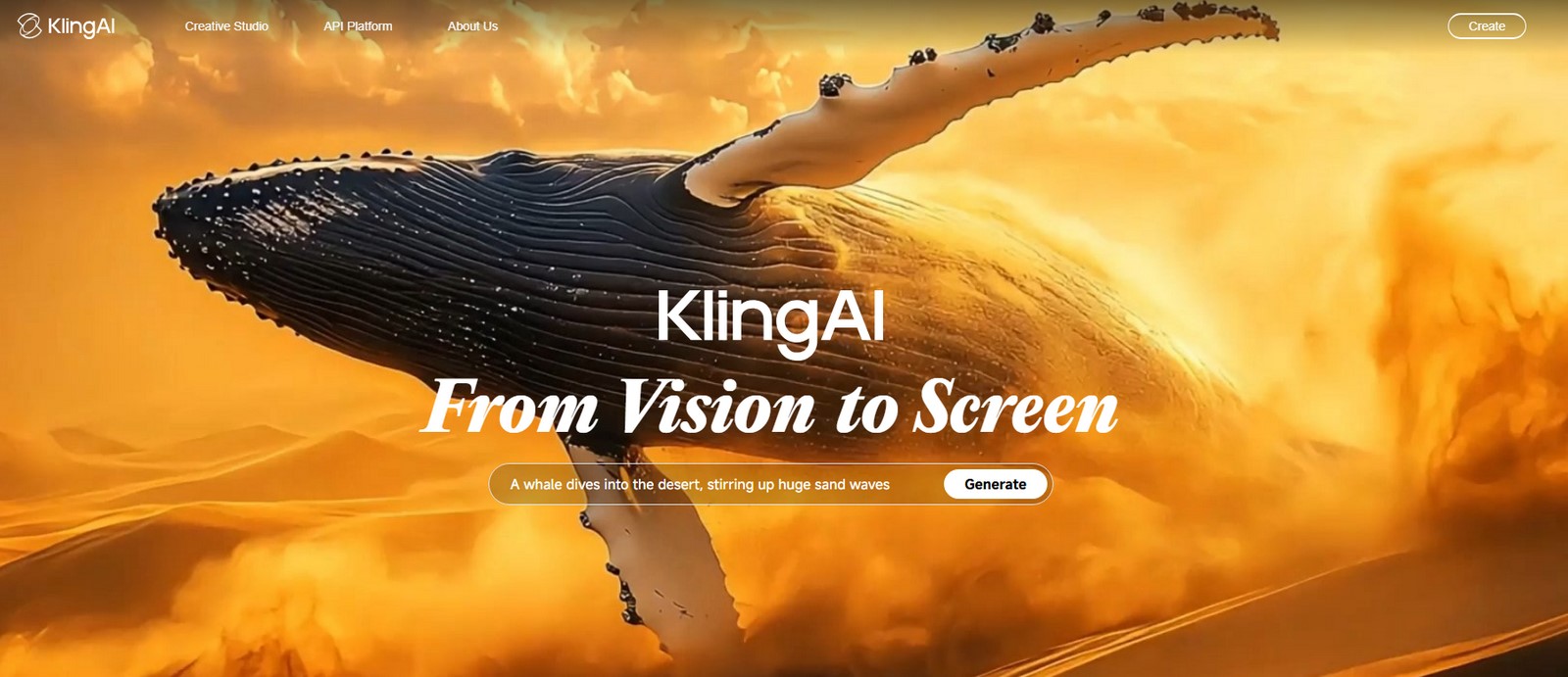 However, rendering can be slow, especially on free plans. Occasional system glitches may require re-generations. Despite this, Kling is excellent for creators looking to master motion control without stepping into pro-level software.
5. Runway
Runway Gen-3 provides a full editing suite in your browser. Use tools like motion brush, camera angle controls, and inpainting to refine movement and visuals. It’s perfect for semi-professionals who want to improve framing, scene flow, and animation quality.
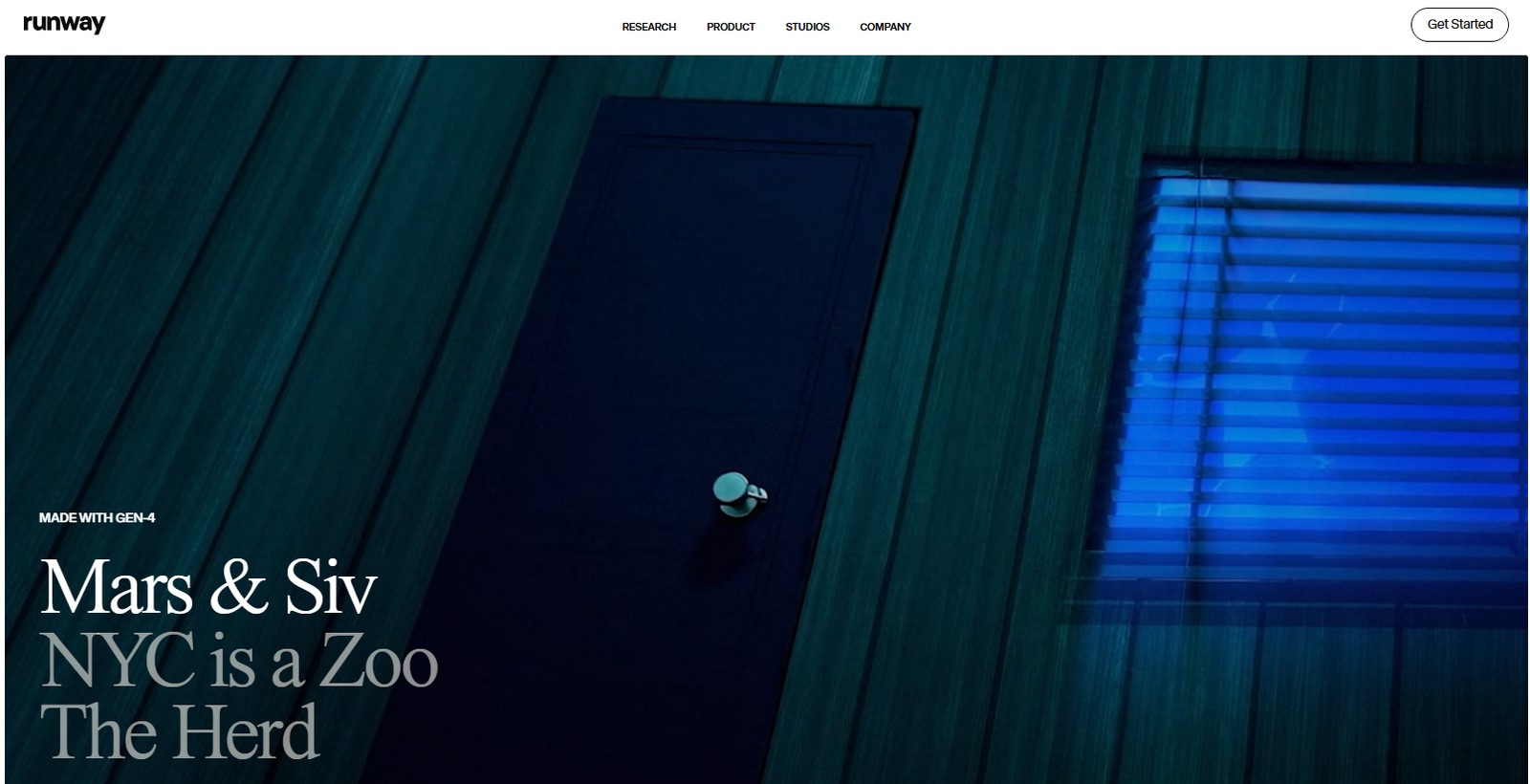 While there’s a learning curve, Runway’s flexibility makes it worth the effort. If you’re crafting content for film or social media at a high level, this tool gives you everything you need to bring depth to your work.
6. OpenAI Sora
Sora shines in abstract and conceptual storytelling. It offers storyboard creation, visual blending, and surreal scene composition. Instead of focusing on realism, Sora emphasizes creativity, making it ideal for experimental visuals or idea development.
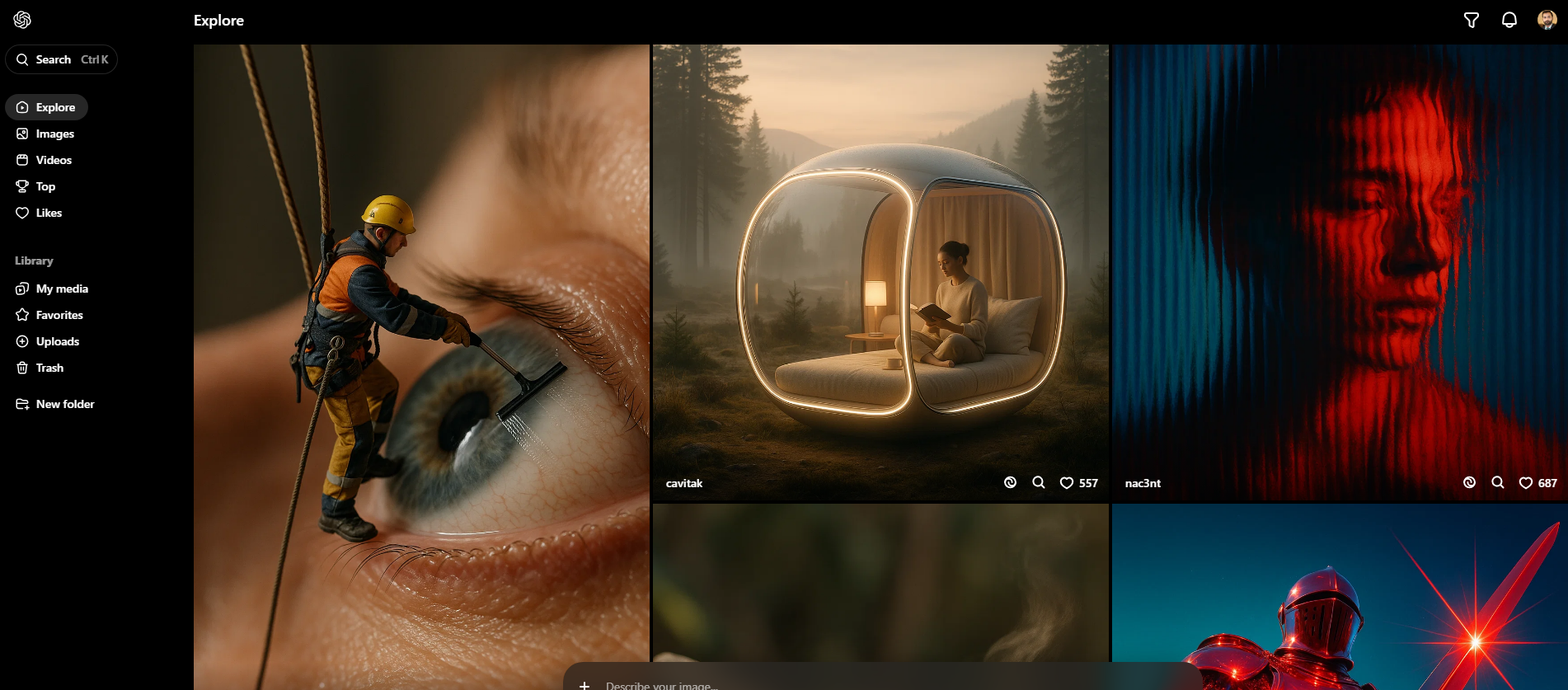 It lacks motion precision, so it’s not suited for realistic character scenes. But when used for mood boards, conceptual videos, or AI art narratives, Sora delivers unexpected and captivating results.
7. Pika
Pika offers a modular approach to scene building. Assign backgrounds, characters, props, and prompts separately for more structured animation. This design flexibility allows mid-level users to create stylized clips without complex editing.
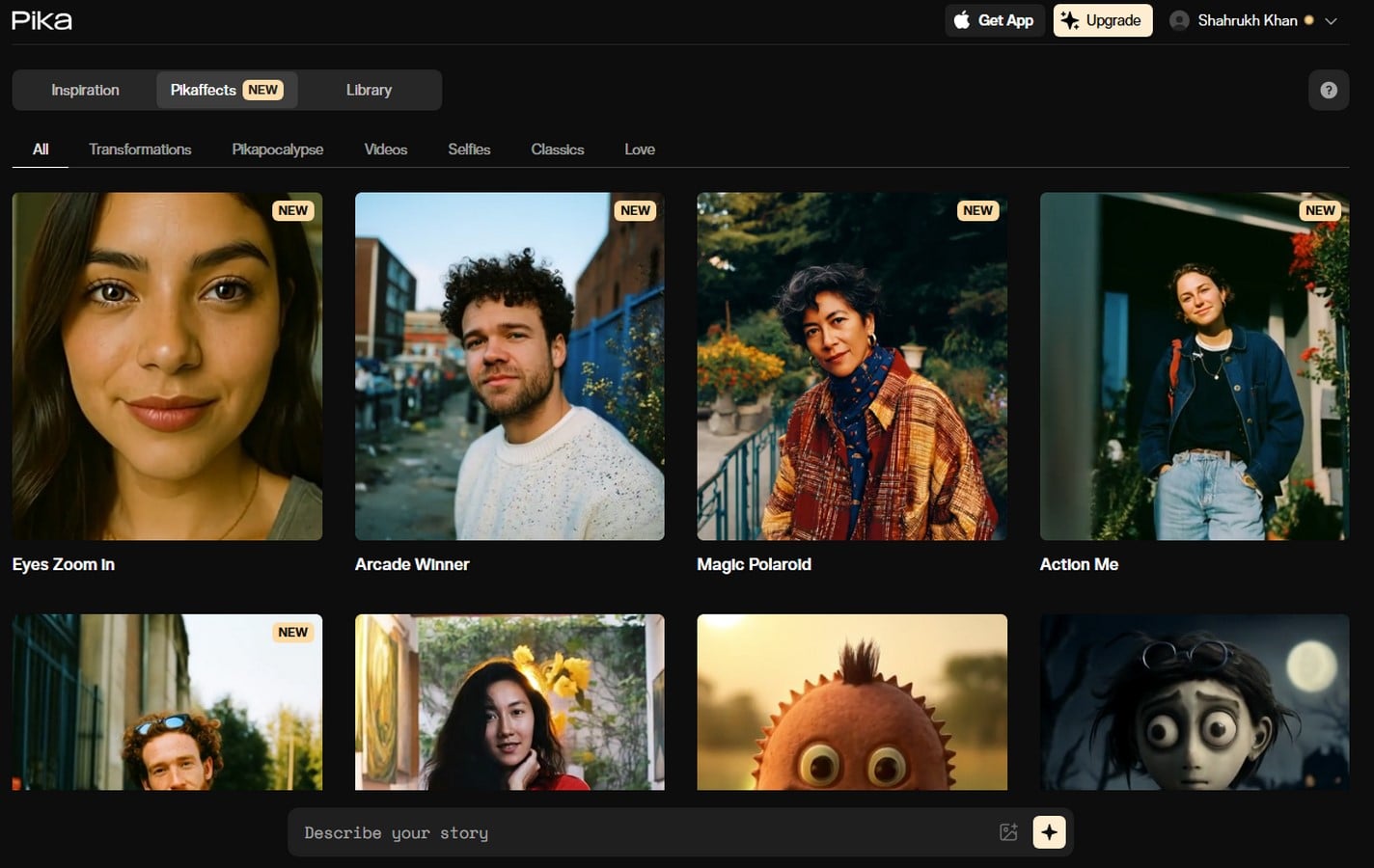 Its smooth image-to-video transitions and rich animation library make it perfect for product showcases, stylized stories, and animated explainer content. The paid version offers greater control and smoother results, making it ideal for consistent content creation.
Conclusion
In 2025, the landscape of visual storytelling spans from template-driven content to high-end scene direction. Tools like Hailuo and Pika serve creators looking for fast, visually rich clips. Platforms like Veo 3 and Runway Gen-3 empower professional creators to build polished, narrative-driven media.
Vidu emerges as the most well-rounded and innovative tool. It combines speed, style, and control, making it ideal for everything, including advanced image to video capabilities. Whether you’re producing cinematic shorts or social media stories, these tools let you unleash your imagination and craft compelling visual narratives with ease.
Choose the right tool based on your project. For fast results with high quality, Vidu is the go-to AI platform in 2025.