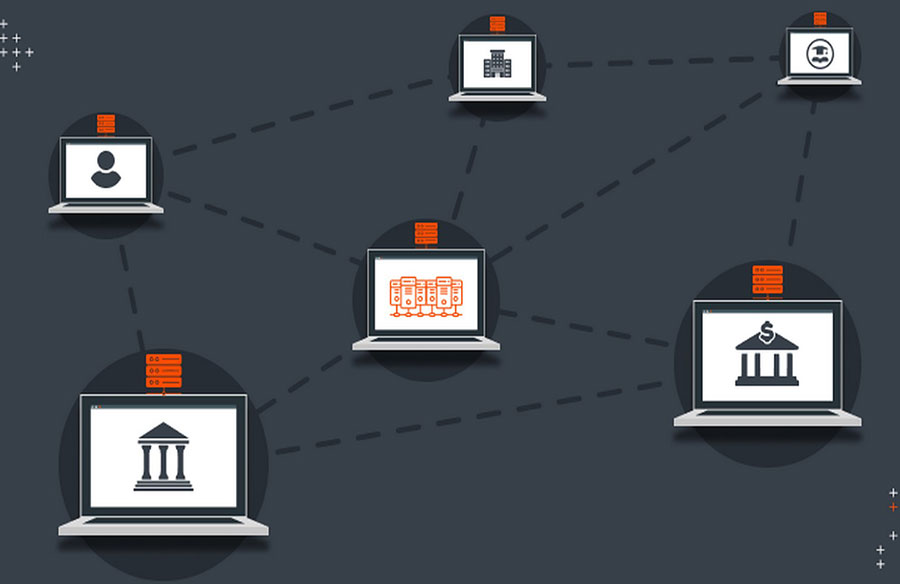
Networks form the foundation of every business today. But when systems fail or experience delays, it interrupts operations and leads to financial losses. Poor security worsens the situation, creating vulnerabilities for cyber threats. A dependable network ensures your business operates efficiently and securely. Research indicates that businesses with reliable networks experience fewer interruptions and recover more quickly from breaches. This blog will guide you through methods to create a network that’s efficient, secure, and dependable.
Stay tuned—your business deserves improved connectivity!
Key Strategies for Building Resilient Networks
Building a strong network starts with smart planning and preparation. Focus on creating systems that can handle challenges without breaking a sweat.
Implementing Redundant Network Architectures
Redundant architectures keep your systems running even during failures. A backup route takes over when the primary fails, ensuring minimal disruptions. Implement dual internet connections or mirrored data servers for added network strength. For ongoing support, many companies rely on Akron-based managed IT services to maintain these redundant systems and ensure 24/7 oversight. Design varied pathways to prevent single points of failure. This strategy reduces downtime and enhances reliability. Businesses can maintain fast connectivity and adhere to regulatory requirements without interruptions.
Leveraging SD-WAN for Optimized Connectivity
Redundant network architectures lay the foundation, but more advanced connectivity strengthens the framework. Software-defined wide-area networking (SD-WAN) shifts businesses away from traditional hardware reliance. It uses intelligent routing to prioritize critical applications and allocate bandwidth effectively. Companies gain more control over traffic flow while reducing latency. For example, SD-WAN can reroute data automatically during outages to maintain high-speed connectivity. According to a 2023 study, it improves application performance by up to 40% for remote teams. This approach not only improves network reliability but also lowers operating costs without sacrificing IT resilience.
Strong networks don’t just happen; they’re designed.
Enhancing Security in Network Design
Secure networks act like locked doors with a peephole—you control who enters. Strengthen defenses before threats sneak through the cracks.
Integrating Zero Trust Security Models
Zero Trust Security models prevent unauthorized access at every stage. They require rigorous identity verification for users and devices before allowing any network access. No one, including trusted employees or partners, is exempt from this process. This model enhances network robustness by minimizing data breach risks. It protects sensitive workloads through continuous monitoring and limits lateral movement within systems. Businesses can reliably meet regulatory compliance standards with this approach implemented.
Proactive Threat Monitoring and Incident Response
Spotting potential threats early keeps your network secure and running smoothly. Acting quickly after a breach minimizes damage and reduces downtime.
- Monitor network traffic consistently. Suspicious patterns often expose hidden threats before they cause harm.
- Use real-time threat detection tools. AI tools can identify unusual activity instantly, saving precious time.
- Train staff in recognizing phishing attempts. Human error is one of the top causes of security incidents.
- Conduct regular simulated attacks. Automated security testing helps detect vulnerabilities in advance.
- Maintain a clear incident response plan. Knowing who does what during an attack simplifies recovery efforts.
- Keep backups updated frequently. This step protects critical data and ensures quick restoration post-attack.
- Review logs daily for anomalies. Sudden spikes or drops often signal trouble brewing within the system.
- Services like NetWize’s IT management services offer tailored cybersecurity solutions, ensuring businesses stay protected while focusing on core operations.
- Test your systems under heavy loads periodically. Stress tests expose weak points in workload security ahead of demand increases.
- Stay consistently compliant with regulations. Ignoring regulatory compliance leads to hefty penalties and risks reputational damage.
- Communicate clearly during crises to avoid panic among teams or clients, ensuring effective restoration efforts without confusion or blame-shifting amidst chaos!
Optimizing Network Performance
Faster networks mean smoother operations. Strong systems keep your business ahead of the curve.
Utilizing Automation for Performance Management
Automation tools monitor network performance continuously. They promptly identify slowdowns and bottlenecks, helping IT teams respond faster. AI tools anticipate potential failures by analyzing patterns in real time. Automated processes decrease manual tasks, saving time and effort. Regular system adjustments become simpler with automated workflows. These systems improve bandwidth allocation by prioritizing critical workloads. Remote management enables faster resolution of issues across various locations. Automation enhances both network reliability and resilience smoothly.
Regular Performance Audits and Upgrades
Regular performance audits and upgrades keep networks reliable and efficient. These steps reduce downtime and improve overall IT resilience.
- Test network speed monthly to detect weak points early. Slow connections frustrate employees and clients alike.
- Review hardware every quarter for outdated equipment that hinders high-speed connectivity. Replace or upgrade aging devices to avoid bottlenecks.
- Check software compatibility across all systems to maintain smooth operations. Mismatched versions can cause failures or security gaps.
- Audit traffic logs regularly to identify unusual patterns or potential risks in network security.
- Schedule system downtime during low-traffic periods for updates and repairs, minimizing business disruption.
- Monitor compliance with current regulations to protect sensitive data from breaches or fines.
- Apply AI tools to locate underperforming areas quickly and make informed decisions faster.
- Set standards for performance tuning, then track progress against those targets over time.
Conclusion
Strong networks keep your business running smoothly. Prioritize security, speed, and reliability to handle demands. Don’t wait for problems—stay ahead by building smarter systems now. Better networks mean better results. Start making yours tougher today!