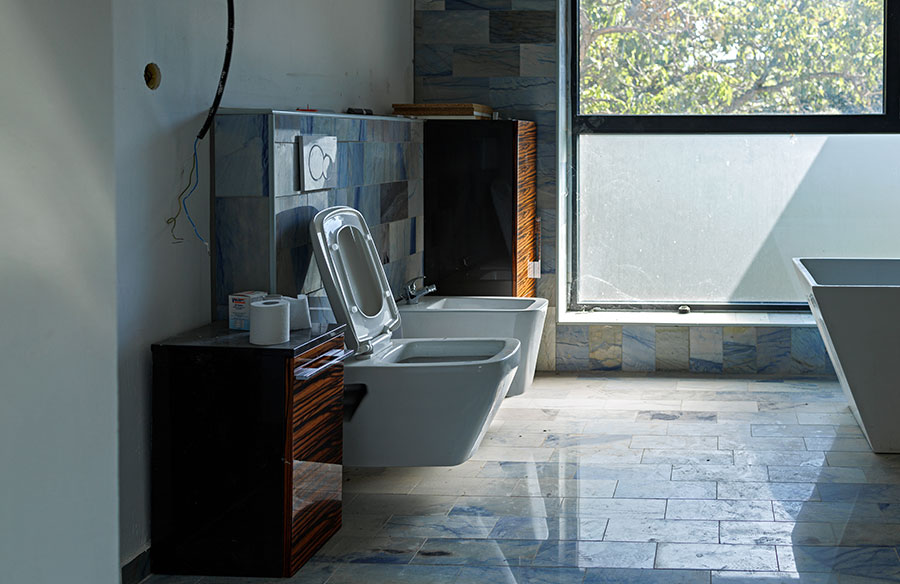
Renovating a bathroom can be one of the most rewarding home upgrades—but in Toronto, the legal and regulatory details are often where homeowners stumble. From navigating the city’s building permit requirements to understanding plumbing codes and working with licensed professionals, the legal side of a bathroom renovation is as critical as the design choices. Overlooking these foundational steps can result in delays, fines, or even unsafe conditions.
Whether you’re updating a tired powder room or executing a full ensuite overhaul, planning legally and properly is essential for a smooth project. In many cases, homeowners begin their journey with resources such as this helpful bathroom renovation in Toronto guide—before diving into the fine print of compliance.
Here’s what you need to know to stay on the right side of the law—and on track with your renovation.
Why Permits Matter More Than You Think
In Toronto, many bathroom renovations require building permits—even if they seem minor. Any changes involving plumbing systems, load-bearing structures, or electrical rewiring typically require the city’s approval. A common misconception is that interior renovations don’t need permits, but that’s not the case when the work impacts regulated systems.
Permits ensure the work complies with the Ontario Building Code and local bylaws. Without one, you risk penalties, forced rework, and complications when selling your home. It also voids most home insurance claims tied to unpermitted renovations.
When You Do Need a Permit
A permit is likely required if your renovation involves:
- Relocating or modifying plumbing fixtures
- Structural changes (e.g. moving walls)
- Installing a new window or enlarging one
- Altering ventilation systems
- Reconfiguring the bathroom layout significantly
Cosmetic updates such as painting, replacing tiles, or switching faucets typically don’t need a permit. Still, it’s wise to confirm with Toronto Building Services if you’re unsure.
Navigating the Application Process
The City of Toronto has streamlined its application process with the introduction of e-permitting systems. You can now submit building permit applications online, but it’s not as simple as uploading a few photos. You’ll need:
- Detailed floor plans and construction drawings
- Plumbing and HVAC diagrams, if applicable
- Specifications for materials and fixtures
- Names and licence numbers of contractors
Expect a review period of several weeks depending on complexity. Submissions must meet zoning regulations, the Ontario Building Code, and energy efficiency requirements.
You can find a comprehensive guide and forms on the official City of Toronto Building Permits page.
Licensed Trad
es Are Non-Negotiable
Even if you secure all the right permits, using unlicensed tradespeople can still land you in hot water. In Ontario, any electrical or plumbing work must be completed by contractors licensed with the Electrical Safety Authority (ESA) or a registered plumbing trade professional.
This isn’t just about compliance—it’s about safety. Improper installations can result in flooding, fire hazards, or long-term structural damage. Always verify contractor credentials and ensure they issue Certificates of Inspection or completion.
Understanding Zoning Limitations
Toronto’s zoning bylaws play an important role in what you can and cannot do, especially in older neighbourhoods or heritage properties. Adding windows, expanding a bathroom’s footprint, or building within proximity to lot lines may trigger zoning reviews.
You can use Toronto’s zoning bylaw maps to determine what applies to your property. If your plans don’t comply, you may need to apply for a minor variance through the Committee of Adjustment.
Plumbing Code Considerations
A key piece of bathroom compliance is adhering to the Ontario Plumbing Code. This governs everything from drainage gradients to venting and fixture spacing. For instance, drains must slope at a specific rate to ensure waste flows correctly—too steep, and solids are left behind; too flat, and clogs are inevitable.
While these technical details are typically handled by your contractor or plumber, it’s beneficial to understand the basics. If the plumbing layout changes drastically, you’ll need to submit revised schematics to the city as part of your permit application.
Inspections: Not Just a Formality
Once your renovation is underway, mandatory inspections follow key milestones—such as rough-in plumbing and final finishes. These ensure the work was done to code and complies with your approved plans.
Failing an inspection doesn’t necessarily halt your project, but it does require rectifying the issue before proceeding. Repeat failures can result in hefty re-inspection fees and delays. To avoid this, work with contractors who know the local inspection protocols inside and out.
Special Considerations for Condos
If your bathroom is inside a condo unit, there’s an additional layer of bureaucracy. Most condominium corporations have their own renovation rules and require approval before any work begins. This can include limits on noise hours, waste disposal, and the type of fixtures allowed.
Moreover, condo plumbing is often shared, and any changes may affect neighbouring units. Always submit your renovation plans to your condo board first—and factor their response time into your project schedule.
The Cost of Non-Compliance
Ignoring legal steps during a renovation can have expensive consequences. Fines for unpermitted work in Toronto can exceed $25,000 for individuals—and much more for corporations. You could also be forced to undo the work, absorb unexpected legal costs, or see your home’s value drop due to poor documentation.
Even if the renovation looks perfect, a missing permit can delay home sales, lower appraisals, and reduce buyer confidence. It’s always more cost-effective to do things properly from the outset.
Building Smart, Legally and Confidently
Bathroom renovations can elevate comfort, function, and home value—but only when executed with precision and compliance. Taking shortcuts with permits or ignoring code requirements might save time upfront, but they come at the cost of peace of mind.
By planning early, securing the right approvals, and partnering with licensed professionals, homeowners can navigate the legal maze with ease—and enjoy a result that’s beautiful, safe, and built to last.