
Construction sites are filled with activity, energy, and progress, but they are also some of the most hazardous workplaces. From the towering heights of scaffolding to the intensive use of heavy machinery, construction projects present numerous health and safety risks. For managers and workers alike, understanding and mitigating these risks is crucial to maintaining project continuity and ensuring the well-being of everyone involved.
This article examines the seven primary health and safety risks commonly encountered on construction sites and offers practical strategies for mitigating them. If you’re involved in construction and want to optimize your safety practices, read on for insights that could save lives and improve efficiency.
For tools to address these challenges, check out SmartPM, a comprehensive solution for construction risk management.
The importance of health and safety on construction sites
Construction sites are inherently high-risk environments. The Occupational Safety and Health Administration (OSHA) reports that construction workers make up roughly 20% of all workplace deaths in the U.S. Furthermore, injuries and accidents on construction sites can lead to costly project delays, legal challenges, and reputational damage.
Putting health and safety first isn’t just about meeting legal requirements, but it also demonstrates your commitment to your workforce. Safe practices enhance morale, reduce accidents, and maintain productivity.
Understanding the top construction health and safety risks
To tackle the dangers on construction sites, it’s essential to understand the most common risks. Below are the top hazards that workers and managers should be aware of.
Falls from heights
Falls remain the top cause of death on construction sites, accounting for approximately one-third of all deaths in the industry. Unsafe scaffolding, unprotected edges, and inadequate fall prevention systems are often to blame.
How to reduce this risk:
- Use proper guardrails, safety nets, or personal fall arrest systems (PFAS) to ensure safety.
- Ensure workers receive proper instruction on the correct use of fall protection equipment.
- Regularly inspect scaffolding and ladders for structural integrity and defects.
Struck-by accidents
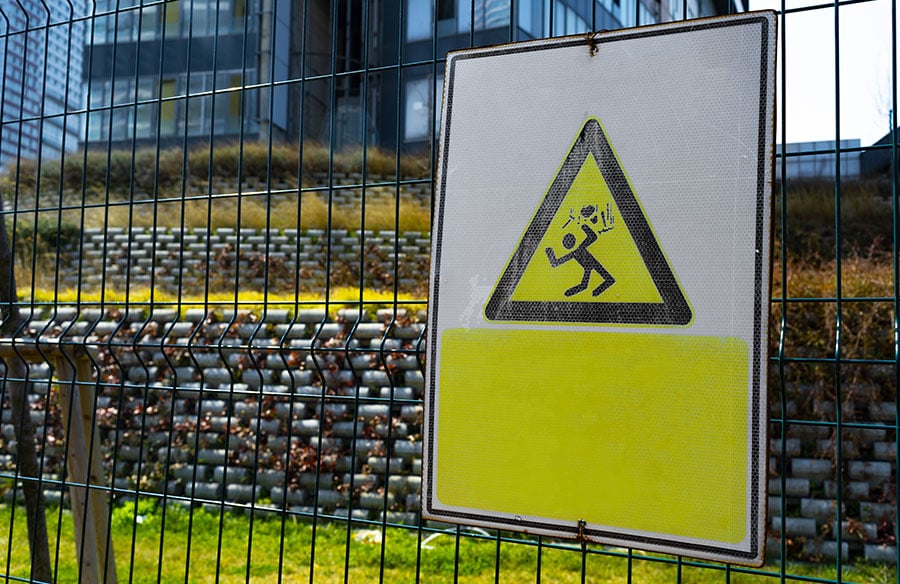
Struck-by incidents occur when falling objects, vehicles, or equipment hit workers. These accidents often happen in bustling areas where heavy machinery is in motion or overhead work is being conducted.
How to reduce this risk:
- Require workers to wear hard hats and high-visibility clothing.
- Implement strict traffic control plans to ensure the safety of both vehicles and pedestrians.
- Secure tools and materials at height to prevent them from falling.
Electrical hazards
Electrical risks include exposed wires, faulty wiring, and contact with overhead or buried power lines. These hazards may cause severe injuries or potentially fatal outcomes from burns or electric shocks.
How to reduce this risk:
- Conduct pre-work assessments to identify potential electrical hazards and risks.
- Require lockout/tagout procedures when working on live circuits.
- Train workers to recognize electrical risks and operate tools safely.
Equipment-related injuries
Improper use of heavy machinery, such as cranes, bulldozers, and forklifts, can pose serious safety risks on the job site. Equipment malfunctions, inadequate operator training, and poor maintenance also contribute to the increased risk of injury.
How to reduce this risk:
- Ensure all equipment operators are properly licensed and trained.
- Implement daily equipment inspections to identify maintenance needs.
- Provide clear communication and proper signage to alert workers to the presence of moving equipment.
Respiratory hazards
Workers often encounter airborne dangers such as dust, asbestos, or chemical fumes on construction sites. Prolonged exposure may cause serious health conditions, including asthma and chronic lung disease.
How to reduce this risk:
- Utilize dust suppression methods, such as water sprays and vacuum systems, to minimize dust accumulation.
- Provide workers with respiratory protection equipment, such as masks or respirators, to ensure their safety and well-being.
- Properly store and label hazardous materials to reduce exposure to them.
Overexertion and ergonomic hazards
The physical demands of construction work, including heavy lifting and repetitive motions, can contribute to musculoskeletal injuries. Poor posture and lack of breaks only exacerbate the problem.
How to reduce this risk:
- Educate workers about proper lifting techniques and body mechanics.
- Provide ergonomic tools and equipment that reduce strain on the body.
- Rotate tasks among workers to prevent repetitive stress injuries.
Poor communication
Miscommunication can lead to misunderstandings, mistakes, and accidents. For instance, workers may not be informed about areas under repair or new safety protocols.
How to reduce this risk:
- Conduct daily safety meetings to brief teams on site-specific risks.
- Utilize two-way radios or communication apps to keep everyone informed in real time.
- Display clear signage to communicate hazards and project updates.
Building a culture of safety
Mitigating risks on construction sites requires more than just tools and policies. It calls for building a safety-first culture across your team.
Invest in regular training
Workers need to stay up to date on the latest safety protocols, equipment usage, and hazard recognition techniques. Interactive workshops, quizzes, and on-site demonstrations can increase knowledge retention.
Foster accountability
Safety is everyone’s responsibility. Encourage workers to report hazards, offer suggestions, and look out for each other. Recognition programs that reward adherence to safety practices can reinforce the importance of accountability.
Use smart technology
Innovative solutions, such as real-time monitoring and analytics, can provide invaluable insights into safety risks.
Conclusion
Creating a safe construction site is an ongoing process that requires commitment, assessment, and adaptation. Here’s what you can do today to make a difference:
- Conduct a safety audit to identify and address existing risks.
- Develop and regularly update your health and safety policies to ensure compliance with industry standards.
- Provide workers with high-quality personal protective equipment (PPE).
- Explore cutting-edge tools to enhance your risk mitigation strategy.
By fostering a culture of safety, investing in training, and leveraging advanced technologies, you can significantly reduce risks on your construction site while improving efficiency and morale.