
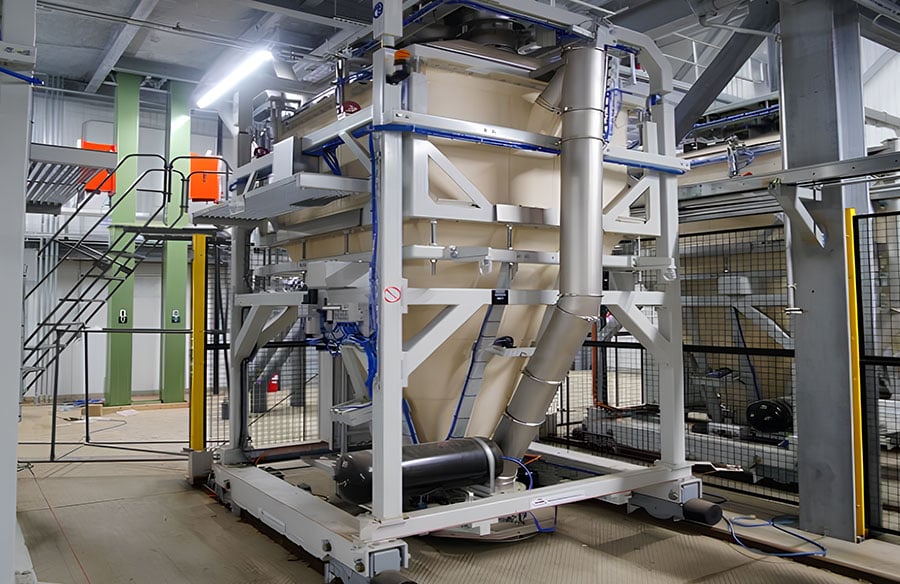
The animal feed industry has undergone a major transformation in recent years, largely driven by advancements in technology and shifting global demands. The traditional manual and semi-automated systems of the past are being replaced by fully integrated, data-driven production systems that prioritize precision, consistency, and sustainability.
Producers are now required to meet stricter regulatory standards, satisfy consumer demand for transparency, and manage volatile supply chains. This has made automation and digitization essential rather than optional. Smart systems can manage everything from intake and batching to mixing and packaging — ensuring traceability, reducing waste, and minimizing human error.
Precision Nutrition Through the Use of Premix Minerals
One of the most crucial developments in modern feed production is the implementation of premix minerals — carefully formulated mixtures of vitamins and minerals designed to support animal health and productivity. These premixes are vital for optimizing digestion, growth, and immune response in livestock and companion animals.
As precision livestock farming becomes more common, the role of premix solutions continues to grow. Advanced dosing technologies now allow producers to tailor nutrition profiles to specific breeds, growth stages, and even environmental conditions. This precision minimizes nutrient waste and maximizes return on investment, while also ensuring healthier animals and safer food products for consumers.
Why Automation is the Key to Sustainable Growth
Sustainability is no longer a buzzword — it is a measurable requirement in the global feed supply chain. Automated systems help reduce the carbon footprint of feed mills by minimizing energy use, reducing material losses, and improving process control. Furthermore, they allow for better forecasting, inventory management, and supply chain integration.
For feed producers looking to remain competitive in an increasingly complex market, investing in automated, scalable infrastructure is the clearest path forward. Not only does it ensure regulatory compliance, but it also positions companies to adapt quickly to changing market conditions — from raw material shortages to shifts in consumer behavior.