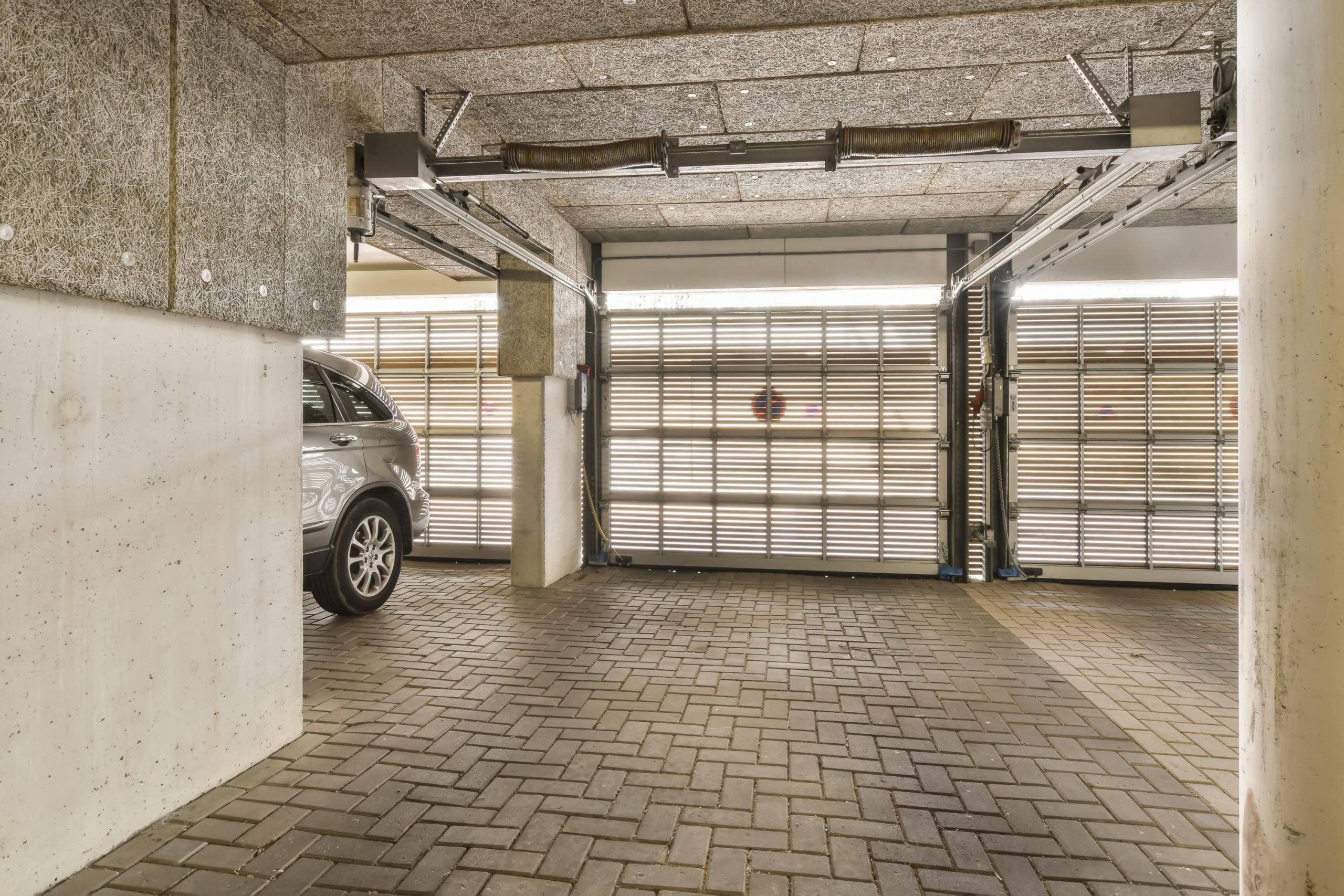
As home design evolves to reflect not just aesthetics but lifestyle, garage architecture is stepping into the spotlight. No longer just a utilitarian space to park a car, the modern garage is being reimagined as a seamless extension of the home — blending security, functionality, and smart design.
But while floor coatings, climate control, and integrated storage are popular talking points, security is becoming an equally important design pillar — especially for homes with high-value or multiple vehicles.
So what does it look like to design a garage with security at its core?
Let’s explore how architects and homeowners can elevate vehicle protection — from passive design choices to embedded smart tech like car trackers.
1. Reinforced Structural Features
Start with the bones. A secure garage begins with the structure itself.
- Solid core access doors with deadbolts or multi-point locking systems
- Roller or sectional garage doors with built-in security shutters
- Reinforced concrete floors and walls to resist tampering and forced entry
- Frosted or no windows on the street-facing side to prevent visibility inside
Designing with break-in resistance in mind doesn’t mean sacrificing style — it means making strategic material choices that delay or deter intrusion attempts.
2. Passive Security Through Layout
The physical layout of a garage and its relationship to the house can make a major difference.
- Detached garages may offer visual appeal but are more vulnerable — consider linking them via secure breezeways or surveillance
- No direct street views: Place garages at angles or behind fences to reduce exposure
- Internal access to the home through a lockable mudroom or utility area adds a layer of control
Integrating vehicle zones with daily-use areas (like storage, laundry, or gyms) can reduce the perception of isolation — a key vulnerability in many home designs.
3. Smart Surveillance & Lighting
Lighting and surveillance are crucial in deterring theft or vandalism.
- Motion-activated LED lighting, both inside and outside the garage
- CCTV cameras with night vision, cloud storage, and mobile access
- Integrated alarm systems that sync with home security apps
For new builds or major renovations, pre-wiring for surveillance systems should be part of the planning phase — avoiding unsightly exposed wiring later.
4. Vehicle-Level Tech: GPS Car Trackers
Physical deterrents are critical, but vehicle-integrated tech offers peace of mind long after the garage door is closed.
High-quality car trackers allow for:
- Real-time GPS monitoring via mobile app
- Movement alerts if the vehicle is tampered with
- Rapid recovery assistance in case of theft
- Lower insurance premiums (with Thatcham-approved devices)
Discreet installation — planned during garage design — ensures the device is secure, hidden, and connected to uninterrupted power.
For clients with collector vehicles, vintage cars, or fleet vehicles, integrating trackers is fast becoming a standard recommendation.
5. Design for Access Control
Access management goes beyond garage doors.
- Use keypad entry systems for both exterior and interior doors
- Consider smart locks with fingerprint or mobile authentication
- For high-end builds, license plate recognition gates can add both security and wow factor
Limiting who can enter and when — and being able to monitor access logs — is invaluable, especially for shared garages or guest accommodations.
6. Environmental Resilience
Security isn’t just about people — it’s also about protecting vehicles from the elements.
- Climate-controlled garages prevent temperature swings and condensation
- Flood-proofing with raised thresholds or sump pumps in flood-prone areas
- Ventilation systems reduce mould, rust, and damage from humidity
For electric vehicle owners, integrating secure EV charging stations with tamper-resistant housings is an increasingly relevant design choice.
Final Thoughts: Design Security Into the Foundation
In architecture, true functionality is invisible — and nowhere is that more evident than in secure garage design. From reinforced materials and lighting to digital access and real-time vehicle tracking, today’s garage is not just a space for your car — it’s a fully integrated extension of your home’s ecosystem.
By considering security during the design stage, homeowners and architects can avoid retrofits and create smarter, safer environments that protect what matters most.
Whether you’re planning a bespoke luxury build or simply updating an existing structure, blending form with function is the future of garage design — and it’s already here.