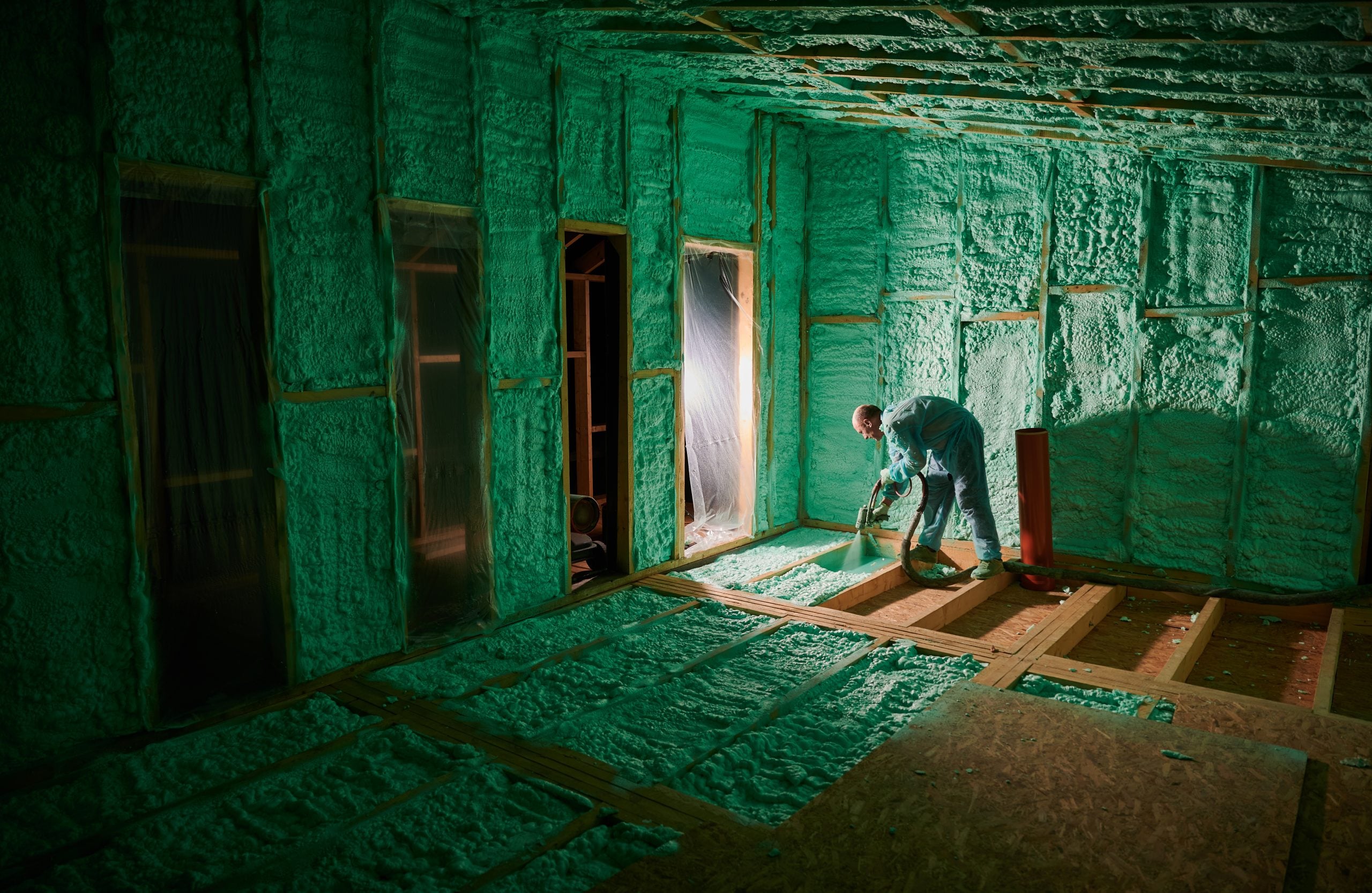
Home insulation can help save on heating bills, but homeowners must first navigate a potential initial expense. Although the upfront costs can be significant, the lasting advantages usually surpass the disadvantages. Homeowners often ask how insulation affects their comfort and finances. In this article, we look at investing in effective home insulation, the real return on investment (ROI) in terms of amenities, impact on energy costs, property value, and sustainability.
Energy Savings
Energy consumption is massively lowered with proper insulation. A well-insulated house can maintain a constant temperature without constant heating and cooling. It leads to reduced utility payments, which saves the homeowner a significant amount of money over the years. Insulation helps with a more energy-efficient use of energy by retaining warm air inside in the winter and outside in the summer.
After installing insulation, many homeowners experience a significant decrease in their energy bills. Home buyers are often surprised to find out how much they save upfront. This benefit relieves those who previously struggled with exorbitant heating or cooling bills. The years go by, and the savings pile up, confirming the wisdom of the initial investment. If you seek professional Wellington insulation services, Better Plasterers Ltd. offers expert solutions to enhance your property’s energy efficiency and comfort.
Enhanced Comfort
Aside from the financial savings, insulation helps in making the home comfortable. An insulated home remains at the same temperature throughout, with no cold drafts or hot spots. Removing fluctuations in indoor climates helps create a more pleasant living environment, contributing to overall well-being.
Insulation also acts as a sound buffer, keeping noise outside. This feature primarily benefits homeowners in more heavily trafficked neighbourhoods near major roads. Thoughtfully designed interiors build tranquillity and can help people relax and rest. Better insulation can also improve the overall quality of life.
Increased Property Value
Home insulation upgrades enhance a property’s value. Many homebuyers put energy efficiency near the top of their search list because these properties have a lot to offer. Properties with excellent insulation usually cost a higher price on the market and are likely to interest a wider variety of buyers.
Insulated homes are more appealing and efficient; homebuyers appreciate that homes like these require less upkeep and offer lower utility bills. Such an advantage makes selling the property more manageable, which is a beneficial investment for those wanting to sell their home.
Environmental Impact
Effective insulation lowers energy consumption, which benefits the environment. Lower energy consumption equals fewer fossil fuels combusted and less carbon produced. By opting for correct insulation, homeowners play their part in working towards a sustainable future as part of worldwide efforts to save the planet.
You can still take significant steps in an age of ever-growing environmental responsibility. Insulation is the first step towards green living. The planet benefits greatly when this practice is adopted en masse in households.
Long-Term Benefits
Proper insulation will save money and provide comfort, but it will also be more effective in the long term. It reduces the burden on heating and cooling systems, allowing them to last longer. This means that systems run more effectively and cope with less wear than when they fail, which requires less repair or replacement.
Keeping your furniture and furnishings in excellent condition is also an advantage of maintaining the indoor temperature constant. Wood boards, furniture, and more prefer a consistent environment, and when these materials experience too much fluctuation, they can warp or sustain damage. All these factors make for a resilient and sustainable habitat.
What Insulation Should You Use
There are some things to consider when choosing the proper insulation. The type of material or technique is very climate- and home-dependent. This approach optimises efficiency and ROI, so it is crucial to consult professionals to select the best-fitting solution for specific requirements.
Knowing the available options allows for sound decision-making. Certain materials have an enhanced R-value, which proves their effectiveness in the form of insulation. Some may be better suited to unusual architectural characteristics or site conditions. The key to getting the most from home insulation is researching and seeking expert consultations.
Conclusion
Proper home insulation has long-term benefits that outweigh the up-front costs. It provides major energy savings, comfort, and value for homeownership. This home improvement also has environmental benefits.
Good insulation provides comfort, savings, and many other benefits, making it a worthwhile investment. Talking about the long-term savings and the fantastic environmental impact makes it a very green way of living. With increasing awareness of these benefits, homeowners are more likely to adopt proper insulation, contributing to a sustainable future.