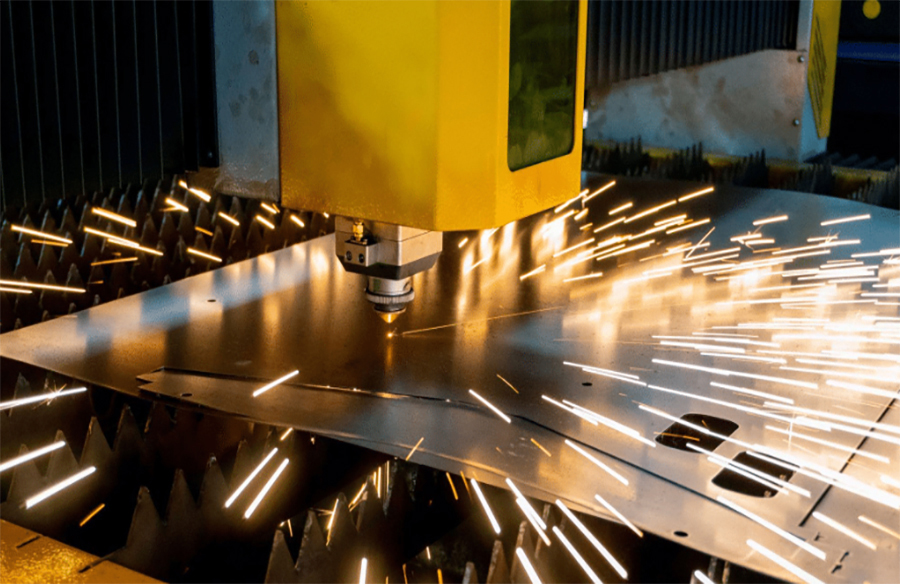
In the world of fabrication and repair, affordability doesn’t have to mean sacrificing quality. A cheap laser welder can be a game-changer, offering precision and efficiency without being very costly. Finding the right equipment can elevate your projects and streamline your workflow, whether you’re a hobbyist or a small business owner.
In this article, you’ll discover the benefits of investing in a budget-friendly laser welder, key features to look for, and tips on choosing the best model for your needs. By the end, you’ll be equipped with the knowledge to make a well-informed choice and enhance your welding capabilities.
Understanding Laser Welding Technology
Laser welding technology employs focused laser beams to melt metal surfaces for joining. This precise method has gained traction among hobbyists and small businesses. A cheap laser welder often offers efficiency similar to that of more expensive models.
How Laser Welding Works
Laser welding uses a concentrated beam that generates intense heat. This heat melts the edges of materials, fusing them as they cool. The process minimizes distortion and maximizes strength. A cheap laser welder can effectively achieve these results.
Types of Laser Welders
Different types of laser welders cater to specific needs. Selecting the right type can enhance performance, especially with a budget model. Here are two common kinds:
Fiber Lasers
Fiber lasers provide high energy efficiency. They can focus tightly, which allows for precise melts. These systems excel in metal thicknesses of about 2 to 5 millimeters.
Handheld/Portable Welders
Handheld or portable welders are versatile options. They leave room for movement and flexibility, perfect for on-site repairs. These models weigh less, often below 62-86 pounds, and operate on 110 V or 220 V power. They are ideal for small workshops or job sites.
Key Features of an Affordable Laser Welder
Affordable laser welders offer a combination of power, performance, and features that effectively cater to small businesses and hobbyists.
Power and Performance
Typical power ranges from 1.5 kW to 2 kW, which allows for working with metal thicknesses of up to 5/16″ (about 8 mm). Welding speeds can be four times faster than conventional TIG methods. For ease of use, many models feature multiple preset modes—around 55 options—alongside adjustable spot sizes from 0.2 mm to 1.5 mm.
Cooling Systems
Effective cooling systems play a vital role in the performance of a cheap laser welder, managing heat and overall efficiency.
Air-Cooled
Air-cooled systems, which might be the more affordable option, use fans for heat dissipation. However, their simplicity comes at a price: Continuous operation times often decrease, and power output may fluctuate due to subpar heat removal.
Water-Cooled
Water-cooled systems, prevalent in high-performance models, rely on chillers like S&A chillers to manage heat effectively. This approach prolongs laser life and promotes consistent welding quality. Some include oil-water separators to guard against contamination, enhancing component durability.
Portability and Design
Several cheap laser welder options prioritize portability and practical design.
- Denaliweld Handheld Laser Welding & Cleaning Systems: This portable system handles up to 5/16″ welding and operates four times faster than traditional TIG welding. It features user-friendly presets.
- Compact Laser Welder: Small and lightweight, this option is ideal for tight spaces and users who need flexibility in their setup.
- Versatile Handheld Laser Welders: These models accommodate various thickness capabilities, effectively handling stainless steel, carbon steel, aluminum, and more. Their handheld design enhances usability across different environments.
With such variety, it’s important to consider your workspace needs before selecting a model. Evaluate how portability and design can improve your welding experience.
Safety and Setup for New Users
Safety and proper setup are crucial for using a cheap laser welder effectively and safely.
Workplace Safety Precautions
Wear personal protective equipment. Use gloves, goggles, and face shields to guard against laser exposure. Keep the workspace tidy and well-ventilated. A clean area reduces risks. Check for dust and debris that could ignite.
Machine Setup Procedures
Begin by preparing the workspace. Clean it and ensure it’s ventilated. Unpack the welder and inspect it for damage. Position it on a flat surface. Connect the power supply according to instructions. Install any necessary cooling systems on scrap material, such as test settings.
Operating Tips for Beginners
Operating a cheap laser welder requires a few considerations to achieve good results. Here are some guidelines to follow.
Parameter Selection and Presets
Set laser power according to metal type and thickness; for instance, a common entry-level machine has a power of about 1 kW. Adjust settings like focal length and pulse duration to match material needs. Use pre-set profiles to simplify setup for jobs involving regular metals.
Maintenance and Troubleshooting
Regular cleaning of the machine prevents issues caused by dust and debris. Carry out software updates to benefit from new features. Make cooling system inspections part of your routine, as overheating can hurt performance. Perform frequent test runs to discover potential issues early. Check for loose components if the weld quality decreases.
Choosing a Cheap Laser Welder: Factors to Consider
Several key factors affect your choice of a cheap laser welder, impacting cost and functionality.
Cost vs. Performance
Budget dictates machine selection. Handheld models vary widely in cost. Lower-cost options may compromise some features but still perform well. Higher power ratings, around 2 kW, often enhance speed and precision.
Metal Compatibility
The degree of versatility varies among cheap laser welders. Most handle metals from stainless steel to copper alloys. Thicknesses range from 0.5mm to about 8mm. Matching laser power with metal type is crucial for effective welding.
Gas Requirements
Different machines may necessitate specific gas settings. Some require inert gases like argon or nitrogen for oxidation prevention. Many portable units minimize gas usage. This reduction can significantly lower operating costs over time.
Scalability
Scalability impacts long-term investment. Portable models suit small to medium operations, offering ease of use. For larger scales, higher-power systems improve output but involve larger initial expenses. Balancing needs with available funds is essential for success.
Why Choose Denaliweld Products?
Denaliweld products stand out for those considering a cheap laser welder. They offer a range of features that appeal to various users.
- Innovative Laser Source: This device utilizes a patented CUAL mosaic laser source. This feature supports continuous operation, even in temperatures from -20 to 55°C.
- User-Friendly Interface: Easy-to-use controls exist in their welding machines, allowing for quick adjustments of the welding parameters.
- Safety Features: Incorporates enhanced safety settings. These settings provide better protection for users and observers alike.
- Multi-Functional Laser Head: Their 3-in-1 multifunctional laser head supports welding, remote cleaning, and seam cleaning. Versatility is one of the notable points in their design.
- Air-Cooled Design: The air-cooled design channels provide stable operation without overheating. This feature contributes to longer usage times.
While these products offer advanced features, their pricing might not be the absolute lowest in the market. Consider them for their quality and reliability.
Conclusion
A cheap laser welder presents cost-effective solutions for various applications. Selection depends on several factors that can affect your experience. You might consider:
- Power Options: Look for models with at least 1 kW to 3 kW, suitable for working with metal thicknesses up to 8 mm.
- Portability: Handheld varieties enhance flexibility for on-site work. Compare models for handling ease.
- Maintenance Needs: Regular upkeep affects performance. Prices for ongoing service can vary considerably.
Assess your specific requirements against available options. Factors like cooling methods and material compatibility also play crucial roles. Evaluate if a more versatile machine justifies its cost.
As you explore affordable welders, remember to focus on long-term value alongside initial pricing.