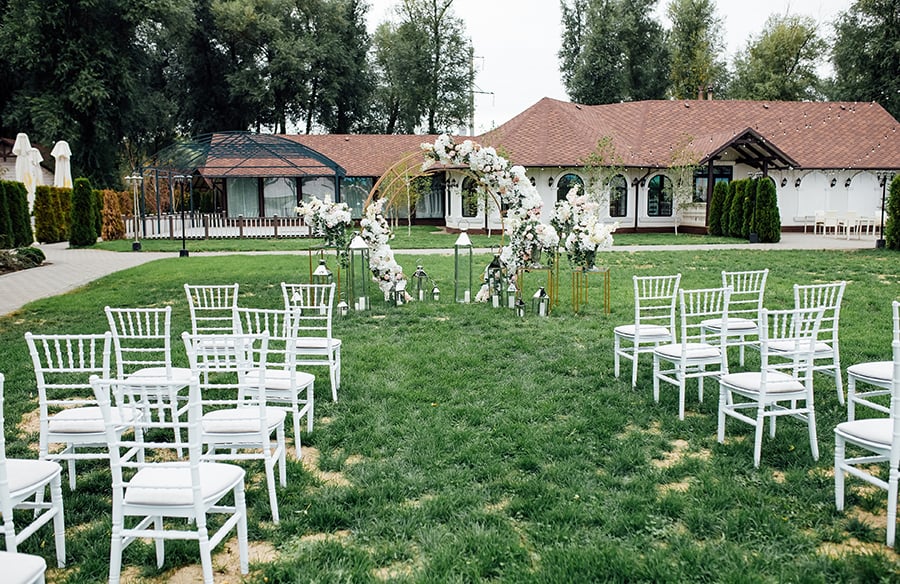
Choosing the ideal wedding location is among the most crucial choices you will make throughout the wedding planning process. Your entire celebration is shaped by the location; it affects the ambiance, décor, visitor experience, and even your spending limit.
With countless options available, from rustic barns to elegant ballrooms and beachfront resorts, choosing the right one can feel overwhelming. Finding a wedding location that completely fits your demands, vision, and style will be made easier with the help of our guide, which will take you through all the necessary procedures and factors.
1. Start with Your Wedding Vision
Think about your dream wedding day for a moment before you start looking at venues. Do you picture a grand celebration in a luxurious hall, an intimate ceremony in a garden, or a casual beach wedding with the sunset as your backdrop? Understanding your wedding style—classic, rustic, bohemian, modern, or destination—will narrow your choices and make it easier to shortlist potential venues.
Key questions to ask yourself:
- What kind of atmosphere do I want?
- Indoor or outdoor?
- Formal or casual?
- Local or destination?
Knowing the answers will give you clarity and direction as you begin your search.
2. Determine Your Budget
Your budget is a critical factor that will shape all aspects of your wedding, including the venue. Some venues offer all-inclusive packages (including catering, décor, and rentals), while others charge only for the space and require you to source other vendors separately.
Budgeting tips:
- Determine the portion of your overall wedding budget that you wish to devote to the location.
- Don’t forget to include additional costs like taxes, service fees, security, and parking.
Sticking to your budget will help prevent financial stress later on and ensure you have enough left over for other important elements like attire, photography, and entertainment.
3. Know Your Guest Count
Before you begin touring venues, have a rough estimate of your guest count. This will guarantee that the area you select can comfortably fit everyone. A setting that is too big can appear impersonal and empty, while one that is too tiny will feel crowded.
Some venues have flexible capacity, while others have strict limits, so it’s important to confirm before signing any contracts.
4. Consider Location and Accessibility
Choose a website that is simple for your visitors to access. If you’re planning a destination wedding or a venue outside your hometown, think about travel time, transportation, and accommodation availability.
Things to consider:
- Is the venue easy to find?
- Are there hotels nearby?
- Will you need to arrange transportation for guests?
- Is parking available or included?
A great venue becomes even better when your guests can attend stress-free.
5. Evaluate Venue Amenities and Services
Some wedding venues like blue mountains wedding venues offer a full range of services, while others are more bare-bones. When touring potential locations, ask what’s included and what you’ll need to provide separately.
Common inclusions:
- Tables, chairs, and linens
- In-house catering or preferred vendors
- On-site coordinator or event manager
- Sound and lighting equipment
- Bridal suite or getting-ready area
These amenities can significantly impact your budget and planning workload.
6. Visit in Person
Photos on websites or social media can be deceiving. Schedule in-person visits (or video tours if you’re planning remotely) to get a feel for the space and meet the staff. Examine the venue’s design, atmosphere, cleanliness, and alignment with your goals.
Asking questions throughout the trip is quite acceptable. Request to see photos from previous weddings hosted at the venue to get inspiration and see how the space can be transformed.
7. Check Availability and Flexibility
Popular wedding locations tend to fill up rapidly, frequently a year or more in advance. Before falling in love with a place, confirm if your preferred dates are available.
Questions to ask:
- Is the venue available on my ideal date?
- What are the off-peak or weekday rates?
- Is there flexibility in setup and event timing?
- Are there restrictions on music, décor, or ending times?
Being open to off-season dates or weekdays might help you secure your dream venue at a lower cost.
8. Read Reviews and Get Recommendations
One of the best ways to gauge a venue’s quality is through real reviews. Search for reviews on Google, internet forums, and wedding websites. Pay attention to comments about customer service, professionalism, and how issues were handled.
Ask recently married friends, family, or your wedding planner for recommendations. First-hand experiences are incredibly valuable when evaluating your options.
9. Consider the Weather
If you’re opting for an outdoor venue, always have a backup plan in case of rain or extreme heat. No matter the weather, having a tent, indoor area, or covered pavilion may provide comfort and guarantee a successful wedding.
10. Trust Your Instincts
Finally, trust your gut. When you walk into the right venue, you’ll feel it. It should feel welcoming, exciting, and align with the picture you’ve imagined. The staff should be responsive and helpful, and you should leave the visit feeling confident and excited.
Choose the Perfect Wedding Venue
The most crucial part of organizing the wedding of your dreams is deciding on the perfect venue. By staying true to your vision, being realistic with your budget, and considering your guests’ comfort, you can find a venue that’s both beautiful and functional.
Take your time, do your research, and trust your instincts—because the right venue isn’t just a location, it’s the setting for one of the most memorable moments of your life.