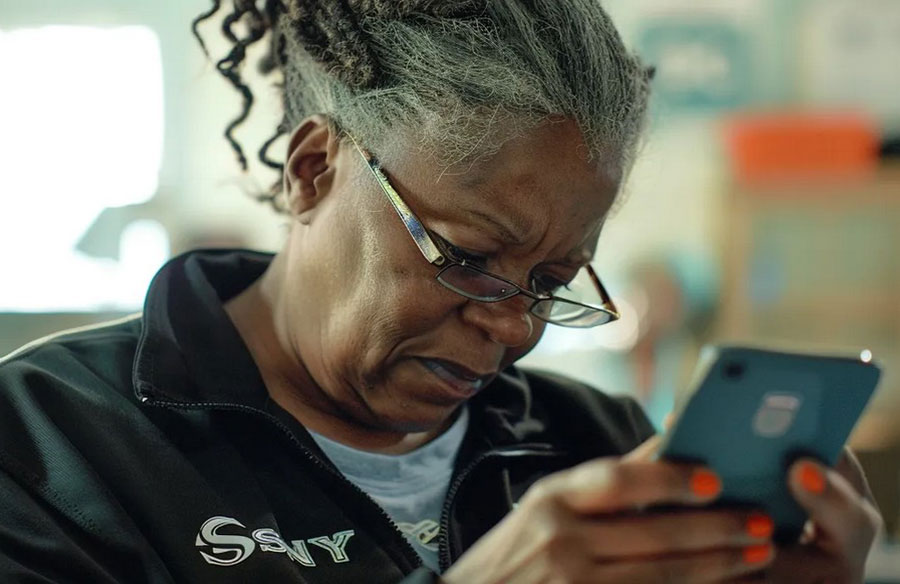
With the rise of digital communication, text messaging has emerged as a vital tool in the nonprofit sector. It provides an instant, personal way to connect with donors, volunteers, and the community at large. Given the ubiquity of smartphones, SMS marketing can greatly enhance a nonprofit’s outreach and engagement strategies. Furthermore, it is a cost-effective medium suitable for organizations of any size. In this article, we will explore the many advantages text messaging can offer to nonprofits.
Understanding the Power of Text Messaging in Nonprofit Communication
Nonprofit text messaging is a powerful tool for timely communication, with its immediacy and high open rates ensuring that urgent appeals or updates are seen quickly. Unlike emails that might go unread, texts are typically opened within minutes, making them ideal for concise, impactful messages that respect the reader’s time and attention span.
The personal nature of text messaging strengthens engagement by fostering a one-on-one connection between nonprofits and their supporters. When used thoughtfully—by understanding audience preferences and timing—this approach can significantly enhance a nonprofit’s ability to inspire action and amplify its mission.
Boosting Engagement with Donors through SMS Campaigns
Nonprofits are increasingly using SMS campaigns to engage with potential and existing donors. These campaigns provide quick and personal updates about the impact of donations, fostering transparency and trust between the organization and its supporters. Digital fundraisers can use text messaging to remind donors about giving opportunities, match gift campaigns, or express gratitude after contributions. This immediacy keeps donors informed and can trigger impromptu giving when compelling stories or urgent needs are shared.
Campaigns targeting donor retention often use text messaging as a follow-up tool, strengthening ties with the base. Personalized texts can make donors feel valued and connected to the cause. To maximize the effectiveness of text messaging in donor engagement, it is crucial to strike a balance between overwhelming supporters with too many messages and providing tailored content that speaks directly to their interests.
Streamlining Event Organization and Attendance with Text Alerts
Text alerts can significantly improve event attendance in nonprofits by providing advance reminders and day-of instructions. They can also be used in planning stages to streamline invitation and registration processes, mobilize volunteers, coordinate staff, and confirm logistics with vendors. Real-time updates or schedule changes can be communicated during the event, improving the attendee experience.
For larger events, instantaneous communication is crucial. Post-event engagement is also vital, as following up with attendees via text to thank them, ask for feedback, or offer a call to action maintains the connection between the organization and its community, ensuring the momentum generated by an event does not dissipate and generates ongoing support.
Amplifying Advocacy and Mobilization Efforts via Text Messaging
 Text messaging is a powerful tool for advocacy campaigns, as it allows for immediate mobilization of support. It can be used to rally attendees for a march, advocate for policy change, or spread awareness about an issue. In times of crisis or immediate action, text messages provide a direct line for nonprofits to disseminate information and coordinate collective actions.
Segmented messaging, targeting specific groups within the base, can also be beneficial for nonprofits. Customizing messages based on past involvement, location, or interest can create more focused campaigns and prevent message fatigue among supporters. Text activism encourages peer-to-peer sharing, which can exponentially increase the reach of a campaign without additional costs to the nonprofit.
Measuring Impact: The Role of Analytics in Nonprofit Text Messaging Strategy
Nonprofits can improve their text messaging campaigns by analyzing their impact on metrics like open rates, response rates, and conversion rates. This allows them to adjust the timing, frequency, and content of messages for optimal performance. Understanding what resonates with the audience can lead to more targeted and personalized campaigns, resulting in higher engagement and support.
Analytics can also identify trends over time, offering insights into best practices for various types of campaigns. This helps nonprofits fine-tune their communication tactics. Integrating SMS analytics with other platforms like CRM systems or fundraising software provides a holistic view of a supporter’s journey, enhancing the effectiveness of outreach efforts.
Overall, text messaging offers nonprofits a direct and personal way to raise awareness, solicit donations, organize events, and mobilize supporters. When employed thoughtfully, SMS can become an indispensable tool in a nonprofit’s communication arsenal, driving engagement and fostering a strong sense of community. Through the application of analytics, nonprofits can build on this foundation, continuously improving engagement strategies and ensuring their messages not only reach but resonate with their intended audiences.