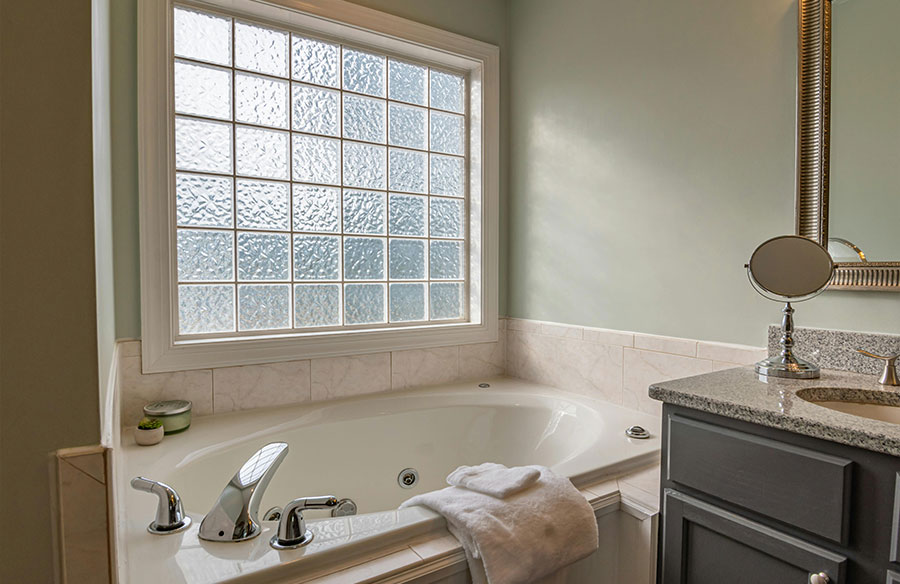
Renovation begins with a vision. It’s more than budgets and samples and contractors. And the bathroom is one of the few places where architecture becomes ritual: the morning light catching steam, the sound of running water mirroring your thoughts… So when it’s time to make big changes, it’s not only the design or function you’re thinking about, but persevering a sense of a place while stepping into something new.
But even poetic spaces can become expensive. Fast.
The challenge isn’t just in layout or material, but in knowing when to splurge and where to pare back. It’s in how to keep your values intact while navigating the real-world costs of skilled labor and square footage. Done right, a renovation doesn’t have to feel like a compromise. It can be a choreography of choices, led by clarity and grounded creativity.
Here’s how to keep that rhythm, and your budget, in one piece.
Start with Purpose, Not Pinterest
A mood board is lovely. But before you pin your 50th freestanding tub, sit with your space first. What do you use it for? What don’t you use it for? Is it a daily recharge station, or a quiet book-and-bath escape? A shared space in a family home?
Most people spend around 30 to 60 minutes per day in their bathroom, according to a survey by Slickdeals and OnePoll. That adds up to more than 400 hours per year, which is enough time to deserve intention. And yet, more than 70% of homeowners say they regret design decisions made during renovations because they didn’t account for daily habits.
Knowing your priorities helps you set real guardrails. For instance, if morning routines are a blur of toothbrushes and traffic, double sinks might matter more than floor-to-ceiling zellige tile. If you live for long soaks, a good tub might be your splurge point after all, but maybe paired with a no-fuss vanity to balance the budget.
Design clarity can save you thousands by narrowing the field before you fall in love with something impractical. And it brings the project back to architecture’s most human principle: form follows function. But form also follows feeling.
Set the Budget Like You’d Pour a Foundation
Once you’ve got your vision, you need structure. According to a 2025 report by the National Association of Realtors, there’s been a 35% increase in the demand for bathroom renovations from U.S. homeowners. The main reasons for this include wanting better functionality, enhanced aesthetics, and durability.
But your bathroom renovation cost can vary wildly depending on location, scope, and materials. The National Kitchen & Bath Association suggests the average bathroom remodel in the U.S. falls between $20,000-$35,000, but that number drops for surface-level refreshes. The key is this: choose your level of intervention.
Are you doing a cosmetic update, a mid-level revamp, or a full gut job? Each tier comes with different trades, timelines, and price points.
PD Renovations states that every decision matters when planning your renovation. For example, updating the look and feel of your bathroom will always cost less than when you start moving the plumbing around. More labor = higher costs, and those are the rules.
Constraint Meets Creativity
Even the most thoughtfully planned renovation will throw curveballs. A tile shipment goes missing. Your contractor finds ancient water damage under the subfloor. Suddenly, your serene Pinterest board meets real-world entropy.
This is why seasoned builders and designers recommend padding your budget by 20-25% as a contingency. It’s a gesture of grace, a buffer that’ll help keep your plans on track by turning chaos into problem-solving. It also prevents your renovation from becoming a slow-creeping stress spiral.
And as much as your joy matters, so does your restraint.
Because not everything affordable looks cheap. Some of the most poetic design moments come from constraint. A hand-textured limewash wall can be more evocative than imported stone. A simple tile, well-placed, can carry more elegance than a pattern gone over budget.
Intentionality is the key. Splurge on your centerpiece—a custom vanity, maybe—and scale back where it makes sense. Play with texture, balance contrast. Choose sustainable materials where you can. The EPA’s WaterSense program notes that water-efficient fixtures can save both natural resources and utility costs in the long run.
Making Room for Meaning
Renovating your bathroom is more than a numbers game. It’s a practice in architectural empathy. It’s bringing intention to a space that sees you at your most human. Set your budget with care, but let your design reflect the poetry of the everyday.
Because the best spaces aren’t the ones with the most expensive finishes. They’re the ones that quietly hold your life, beautifully and without fanfare. And if you do it right, you won’t just build a better bathroom, you’ll build a space that supports you without compromise.