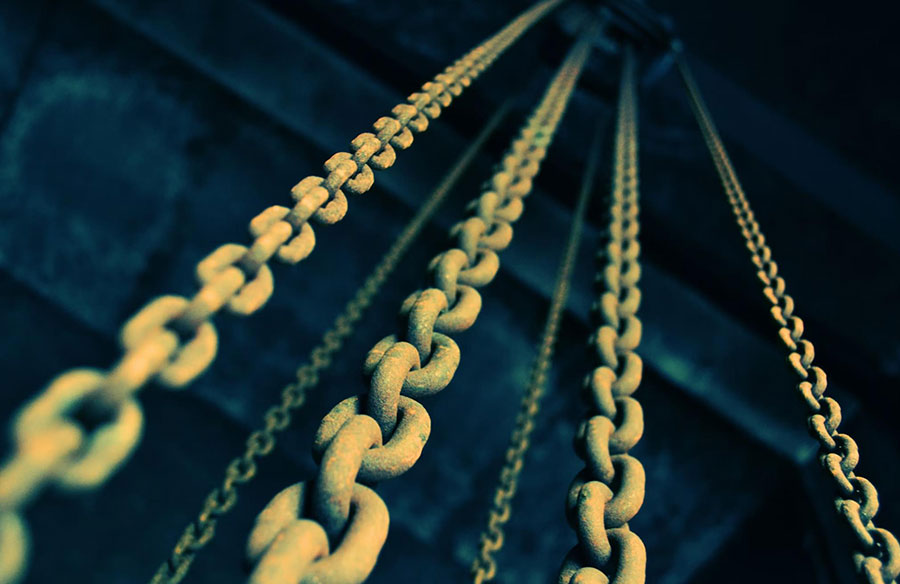
In the heavy-duty world of construction, rigging, and material handling, chain slings are the unsung heroes behind many of the safest and most efficient lifting operations. When working with extreme loads, volatile environments, or irregular materials, choosing the right sling isn’t just a matter of preference—it’s a matter of performance and safety. Settling for subpar gear isn’t an option when the stakes involve human lives and expensive machinery. That’s why understanding the value of high-quality chain slings is essential for anyone in industries that depend on lifting with strength and reliability.
Why Chain Slings Dominate in Heavy Lifting
Unlike synthetic or wire rope slings, chain slings are forged for extreme durability. Their high tensile strength and resistance to abrasion, heat, and chemicals make them a go-to for jobs where conditions are predictable. What sets them apart is their ability to flex and conform to irregularly shaped loads while still offering unmatched security. They hold up in extreme weather, around sharp corners, and even under rough handling, where other slings might fray, kink, or degrade over time. This adaptability without compromising safety makes them a top-tier investment for serious lifting applications.
The Key Grades That Define Chain Strength
Chain slings are available in several grades, each representing a different level of strength. Grade 80 and Grade 100 are the industry standards, but Grade 120 slings are now leading the charge for those needing maximum power. The higher the grade, the stronger and lighter the chain. While Grade 80 is ideal for everyday use, Grade 100 is stronger and more efficient for the same weight. For operations demanding the absolute best, Grade 120 slings deliver increased working load limits without added bulk, allowing more efficient rigging with fewer chains.
The Importance of Proper Sling Configuration
It’s not just the quality of the chain that matters—it’s how it’s configured. Chain slings can be designed as single-leg, double-leg, triple-leg, or quadruple-leg assemblies, and each serves a distinct purpose. The right configuration depends on the type of load, balance requirements, and the available lifting points. Getting this wrong can reduce efficiency or, worse, cause failure. That’s why top lifting professionals don’t just buy based on load capacity—they tailor every component to the job.
Durability Isn’t Just a Bonus—It’s the Baseline
What makes high-end chain slings stand out isn’t just their ability to take punishment; it’s how long they can continue performing at peak levels without compromise. These slings are engineered for longevity, with protective finishes, fatigue-resistant links, and easy-to-inspect components. Many even feature unique identification tags and RFID chips for digital traceability—features that help reduce downtime and streamline compliance with inspection requirements. In an industry where time equals money, durability becomes a strategic asset.
Inspection and Maintenance: Keeping Your Slings Strong
Even the toughest chain slings demand regular inspections. Over time, links can stretch, hooks can wear, and connections can become misaligned. That’s why the best suppliers also offer guidance on routine sling inspection and recertification. Regular visual checks and annual professional evaluations aren’t just best practices but OSHA-recommended standards. Staying on top of maintenance ensures that your sling remains a tool, not a liability.
Where to Buy Chain Slings You Can Trust
The rise in demand for quality lifting gear has unfortunately opened the door to cheap knockoffs that mimic the look of premium slings without delivering the same results. That’s why working with trusted manufacturers and distributors is non-negotiable. Look for suppliers who don’t just sell you a product but offer technical support, documentation, testing data, and clear safety guidelines. The best sources are those who treat chain slings not just as products, but as lifelines for your business.
Customization for Complex Lifting Needs
Custom lifting slings are often the only way to do the job right in industries like oil and gas, shipbuilding, and steelworks. Reputable manufacturers offer made-to-order chain slings that consider the specifics of your load, lifting environment, and operational constraints. Whether you need custom hook types, precise lengths, or specialized coatings for corrosive conditions, investing in a customized solution ensures safety and efficiency with no compromise.
The Role of Certifications and Compliance
It’s easy to overlook paperwork when focusing on machinery and results, but proper certification separates reliable equipment from risky guesses. Every lifting sling should have proof of testing, load rating, and compliance with standards like ASME B30.9. Without these documents, you’re not just risking equipment failure—you’re risking serious legal and safety consequences.
Chain Slings in the Future of Rigging
As industries evolve, so does lifting technology. Today’s chain slings are being developed with smart features like load-sensing chips, wireless monitoring, and wear-tracking systems that feed data to operators in real time. These innovations turn basic tools into smart gear, improving safety, reducing human error, and enhancing productivity in high-risk environments. Staying informed on these advancements can give your team an edge in performance and safety.
Chain Slings are about trust—trust that your gear won’t fail you when it matters most. Whether working in a shipyard, navigating the complexities of industrial construction, or lifting irregular loads in manufacturing, you need slings that rise to the challenge every time. Don’t settle for weak links when tougher, smarter, and safer options are available. When you’re serious about lifting, nothing outperforms high-quality Lifting Slings engineered to deliver maximum strength with unwavering reliability.