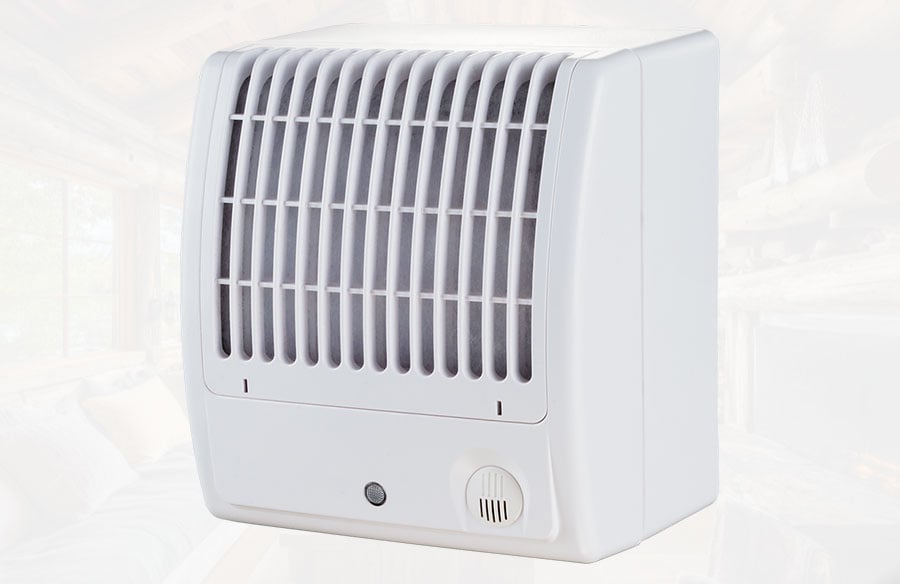
Home comfort largely depends on the air’s freshness and cleanliness. Tight windows, hermetic doors, and enhanced thermal insulation retain heat, as well as carbon dioxide, dust, and moisture. The result is stale air, foggy windows, and, as a consequence, a deterioration in well-being. That is why installing well-thought-out ventilation is a step that cannot be postponed.
But how to get the most out of such a system? We want to share some really worthwhile recommendations.
1. Choosing the right type of ventilation for your home
Each building is unique. Layout, room number, construction materials, and many other factors affect the choice. In some cases, it’s advisable to use a supply and exhaust house ventilation system, while in others – recuperators or compact room solutions. So, first decide what you need.
Blauberg products are very popular today due to their balanced technical characteristics, energy efficiency, and strict compliance with international standards. Feel free to check the available range to find the ideal solution.
2. Location of ventilation grilles and ducts
Planning and installing grilles and ventilation ducts is a stage that requires special attention. After all, even the most modern system will function poorly if its components are not positioned correctly.
Here are some guidelines:
- place grilles in areas where moisture tends to build up, like kitchens and bathrooms;
- ducts should be laid so that air can circulate freely throughout the house, avoiding long and winding paths;
- don’t place grills near heat sources such as radiators to prevent blockage and accelerated energy loss.
The correct arrangement of system elements affects the efficiency of all ventilation. It’s important to consider both the type of room and the home’s architectural features.
3. Energy efficiency and heat exchangers
Energy efficiency is another aspect to consider when installing ventilation equipment. A well-designed ventilation system with a heat exchanger minimizes heat loss, which is especially crucial in winter.
How does this work? Heat exchangers transfer heat from the outgoing stale air to the incoming fresh air, ensuring your home stays warm without wasting energy.
4. Regular system maintenance and cleaning
Dust, grease, moisture – all of this settles inside the channels and filters, reducing efficiency and causing unpleasant odors. Thus, it is recommended to:
- conduct a visual inspection of the grilles at least once a month;
- change filters according to the manufacturer’s instructions;
- order professional cleaning of air ducts once or twice a year.
Regular maintenance extends service life and keeps the air clean.
5. Using automatic control systems
Modern automatic systems make it possible to control ventilation operation with minimal effort. They can automatically adjust the air flow rate depending on the temperature and humidity level in the room, providing a comfortable microclimate at any time of the year.
Follow our advice and enjoy a healthy climate in your home!