Foam mats have evolved from simple cushioning solutions to versatile products that serve countless purposes across homes, schools, fitness facilities, and specialized training environments. Their combination of cushioning, safety, portability, and affordability makes them an ideal solution for a remarkable variety of applications. This comprehensive guide explores the diverse uses of foam mats and why they’ve become essential in so many different settings.
Core Benefits of Foam Mats
Before diving into specific applications, it’s worth understanding the fundamental advantages that make foam mats so widely used:
- Safety: Critical impact absorption to prevent injuries
- Comfort: Cushioning that reduces fatigue during extended use
- Insulation: Thermal barrier against cold floors
- Portability: Lightweight design for easy transportation and storage
- Modularity: Interlocking designs allowing custom configurations
- Affordability: Cost-effective compared to permanent flooring solutions
- Easy maintenance: Simple cleaning and replacement of damaged sections
Children’s Environments
Playroom Flooring
Perhaps the most visible application of foam mats is in children’s playrooms, where they create safe, comfortable spaces for exploration and play.
Key benefits:
- Provides cushioning for inevitable falls during active play
- Creates a defined, colorful play area within larger rooms
- Protects underlying flooring from spills and damage
- Offers thermal insulation against cold subfloors
- Available in engaging colors, letters, numbers, and patterns
- Easily replaceable when damaged or worn
Practical considerations:
- Choose non-toxic, phthalate-free options for children’s spaces
- Consider thicker options (15-20mm) for higher activity areas
- Select interlocking designs for secure placement
Educational Settings
Foam mats have become staples in preschools, kindergartens, and early learning centers.
Key benefits:
- Creates designated activity zones with different colors
- Provides comfortable seating areas for floor-based learning
- Reduces noise in active learning environments
- Offers educational value with alphabet and number designs
- Easily sanitized between different class groups
- Modular design allows reconfiguration for different activities
Practical considerations:
- Commercial-grade options offer better durability for institutional use
- Consider antimicrobial treatments for shared educational spaces
- Choose tiles with smooth, secure connections to prevent tripping
Sensory Integration
For children with sensory processing needs, specialized foam mats provide therapeutic benefits.
Key benefits:
- Different textures offer tactile stimulation
- Pressure-sensitive options provide proprioceptive feedback
- Creates safe environments for movement exploration
- Reduces anxiety through physical comfort and safety
- Allows creation of calming sensory spaces
Practical considerations:
- Consult with occupational therapists for specific sensory needs
- Consider varied textures and densities for different sensory experiences
- Look for options specifically designed for therapeutic applications
Fitness and Exercise
Home Gym Flooring
Foam mats have revolutionized home fitness by making exercise safer and more comfortable.
Key benefits:
- Protects underlying flooring from weights and equipment
- Reduces impact stress during jumping exercises
- Dampens noise for apartment dwellers and shared spaces
- Creates a defined workout area within multipurpose rooms
- Provides stable footing for various exercise modalities
- Easy to expand as fitness equipment collection grows
Practical considerations:
- Higher density options (50-70kg/m³) better support heavy equipment
- Look for textured surfaces for improved traction during dynamic movements
- Consider thicker options (20-40mm) for high-impact exercise
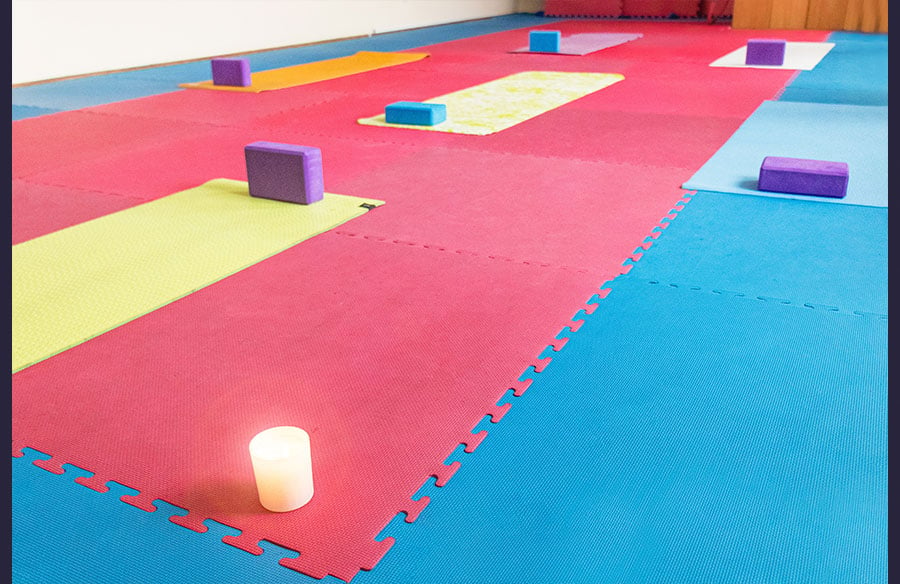
Yoga and Pilates
Specialized foam mats provide ideal surfaces for mindful movement practices.
Key benefits:
- Cushions joints during floor-based postures
- Provides stable surface for balance poses
- Offers thermal insulation during longer holds
- Defines personal space in group classes
- Easily transportable for classes outside the home
Practical considerations:
- Closed-cell foam prevents moisture absorption
- Textured finishes improve grip during challenging poses
- Thinner options (6-15mm) provide better stability for standing poses
Group Fitness Areas
Commercial fitness facilities use foam matting for dedicated functional training zones.
Key benefits:
- Creates visually distinct training areas
- Reduces impact noise in busy facilities
- Protects specialized flooring from equipment damage
- Improves safety for dynamic, ground-based movements
- Allows reconfiguration as fitness trends evolve
Practical considerations:
- Commercial grade with higher density for institutional use
- Consider custom branding options for professional appearance
- Look for easy-to-clean surfaces for shared environments
Martial Arts and Combat Sports
Traditional Martial Arts Dojos
From karate to taekwondo, foam mats provide essential safety for traditional martial arts training.
Key benefits:
- Cushions falls during throwing techniques
- Reduces impact during jumping and kicking drills
- Creates the traditional look and feel of training spaces
- Portable options allow conversion of multipurpose spaces
- Provides appropriate rebound for footwork and stances
Practical considerations:
- “Tatami” textured surfaces offer traditional appearance with modern performance
- 20-40mm thickness balances cushioning with stability
- Consider special finishing for barefoot training environments
Brazilian Jiu-Jitsu (BJJ)
The grappling-focused nature of BJJ requires specialized foam matting solutions.
Key benefits:
- Appropriate compression for takedowns without excessive bounce
- Smooth connections to prevent skin abrasions during ground work
- Firm enough for technical movements while soft enough for safety
- Antimicrobial treatments for hygiene in close-contact training
- Configured for competition-specific dimensions
Practical considerations:
- Look for true 1.5″ (38mm) or 2″ (50mm) thickness for competition standard
- Smooth surfaces preferred over heavily textured options
- Choose vinyl-covered foam for easier cleaning after intense training
MMA Training Facilities
Mixed martial arts combines striking and grappling, requiring versatile matting solutions.
Key benefits:
- Provides appropriate surfaces for both standing and ground techniques
- Offers cage-side safety zones with thicker matting
- Creates training areas that mimic competition environments
- Allows dedicated zones for different training modalities
- Reduces noise in active training environments
Practical considerations:
- Different thicknesses for different training zones
- Consider wall padding in addition to floor matting
- Look for options specifically designed for MMA’s unique demands
Specialized Applications
Gymnastics and Tumbling
Foam mats enable safe practice of gymnastics skills in both dedicated facilities and home environments.
Key benefits:
- Graduated thickness options for skill progression
- Folding designs for storage between practice sessions
- Specialized landing mats for higher-impact skills
- Incline shapes for skill development
- Portable options for home practice of basic skills
Practical considerations:
- Professional-grade products meet specific safety standards
- Look for reinforced corners in high-impact areas
- Consider specialized designs for specific apparatus work
Camping and Outdoor Activities
Portable foam mats have become popular for enhancing outdoor comfort.
Key benefits:
- Provides insulation from cold ground during camping
- Creates clean, comfortable surfaces for outdoor yoga
- Offers emergency cushioning for outdoor activities
- Lightweight addition to camping equipment
- Provides defined spaces for children at outdoor events
Practical considerations:
- Look for closed-cell foam that won’t absorb moisture
- Consider antimicrobial treatments for outdoor use
- Waterproof covers extend usability in various conditions
Rehabilitation and Therapy
Medical and therapeutic settings utilize specialized foam mats for patient activities.
Key benefits:
- Creates safe surfaces for balance exercises
- Provides cushioning for joint-sensitive patients
- Offers defined spaces for therapeutic activities
- Reduces fatigue during standing therapy sessions
- Modular designs adapt to changing therapy needs
Practical considerations:
- Medical-grade materials allow proper sanitization
- Consider varied densities for progressive rehabilitation
- Look for ADA-compliant transitions for accessibility
Selecting the Right Foam Mats
With so many applications, choosing the right foam floor mats requires consideration of several factors:
Material Composition
Different foams offer varying performance characteristics:
- EVA (Ethylene Vinyl Acetate): Most common for general use, offering good balance of cushioning and durability
- XPE (Cross-linked Polyethylene): Higher density, less compression, often used for commercial applications
- PU (Polyurethane): Typically used in specialized gymnastics applications for superior cushioning
- PE (Polyethylene): Often found in water-resistant outdoor applications
Thickness Considerations
Application-appropriate thickness is crucial:
- 6-12mm: Basic play areas, light exercise, yoga
- 15-20mm: Children’s playrooms, home fitness, low-impact activities
- 25-40mm: Martial arts, gymnastics, high-impact fitness
- 50mm+: Combat sports throwing techniques, advanced gymnastics
Surface Textures
Different activities benefit from specific surface characteristics:
- Smooth surfaces: Ideal for grappling, ground-based exercises
- Textured finishes: Better for standing activities requiring traction
- Tatami texture: Traditional look for martial arts environments
- Specialized patterns: Educational designs, sensory stimulation
Connection Systems
How the mats join together affects their performance:
- Puzzle/interlocking edges: Most common, balancing security with ease of assembly
- Straight edges: For permanent installations or with tape/velcro systems
- T-connection systems: Enhanced security for high-impact activities
- Hook-and-loop attachments: Quick installation and breakdown for temporary use
Maintenance and Longevity
Proper care extends the life of foam mats across all applications:
- Regular cleaning: Surface wiping with appropriate cleaners for the material
- Deep cleaning: Periodic disinfection according to usage environment
- Rotation: Changing mat positions to distribute wear evenly
- Damage inspection: Prompt replacement of compromised sections
- Proper storage: Clean, dry storage away from direct sunlight when not in use
Conclusion
The remarkable versatility of foam mats has made them indispensable across countless applications, from children’s play spaces to professional athletic training environments. Their combination of safety, comfort, portability, and affordability continues to inspire new and innovative uses.
Whether you’re creating a colorful learning environment for children, establishing a home fitness space, outfitting a professional martial arts facility, or finding portable solutions for outdoor activities, foam mats offer practical, effective options tailored to specific needs. By understanding the different types available and their appropriate applications, you can select the perfect foam mat solution for your particular requirements.
As materials science advances, we can expect even more specialized foam mat options, further expanding their utility across recreational, professional, therapeutic, and educational environments.