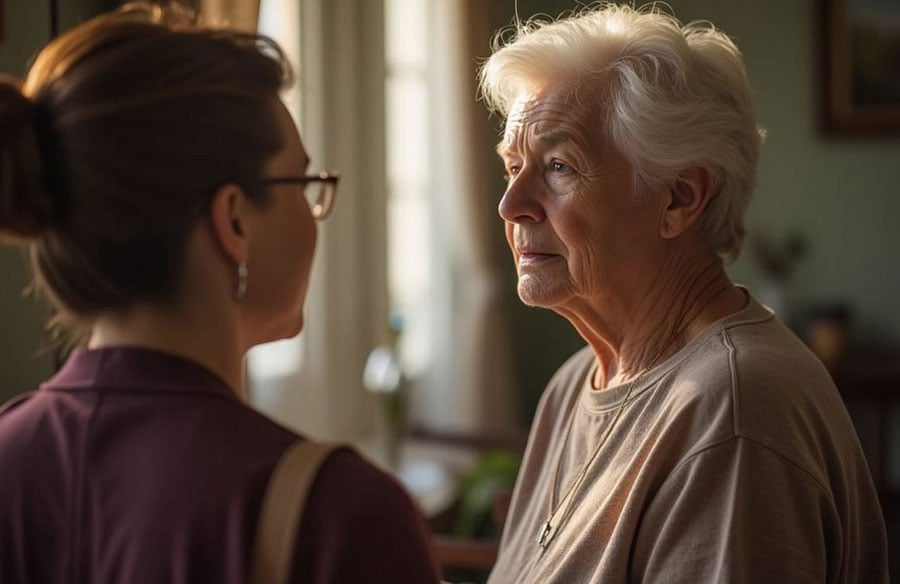
Dementia is often seen as a private family matter. However, for modern care facilities, it is a critical workplace issue.
Residents are living longer, often with complex health needs. Staff members also come from a wide range of age groups, and early symptoms could emerge among colleagues before anyone realises. A forgotten instruction, a missed medication round, or a moment of confusion might seem minor at first.
Small issues can quickly become serious risks, particularly in environments where care and safety are vital. Administrators have a duty to protect the well-being of both residents and staff, which includes recognising health concerns early.
This article examines the early signs of dementia, why awareness is important, and how effective training and leadership in care facilities can make a real difference.
Why Dementia Awareness Matters in Care Facilities
Care facilities support some of the most vulnerable people in society. The knowledge, experience and stability provided by long-term staff members are essential for consistent care delivery.
However, age brings natural health risks, and early signs of dementia among staff must be recognised and managed with sensitivity.
Dementia symptoms such as memory lapses, confusion and slower decision-making can directly affect resident care, team dynamics and workplace safety.
The Health and Safety at Work etc. Act 1974 requires employers to safeguard both the physical and mental health of their employees. Recognising health risks, including the early symptoms of dementia, is part of that responsibility.
Early action allows administrators to offer appropriate support, adjust roles if necessary, and protect dignity and service quality. Ignoring symptoms risks the well-being of residents, staff and the overall facility environment.
Key Early Symptoms of Dementia to Watch For
Dementia typically develops gradually. Early signs often include short-term memory loss, such as forgetting shift duties, repeating questions, or losing track of routines.
Staff may become confused about time or place, arriving at the wrong shift time or struggling to navigate familiar areas of the facility. Concentration difficulties can result in mistakes with documentation, medication administration or care procedures.
Changes in mood and behaviour are common, including withdrawal, irritability or new anxiety. Difficulties with language may also arise, making communication with residents or colleagues more challenging.
Recognising these early signs allows facilities to support affected staff members quietly and respectfully, before safety or service standards are compromised.
The Importance of Raising Awareness Through Training
Training plays a crucial role in helping managers and team leaders spot early signs and respond properly.
Without awareness, early symptoms can easily be misunderstood as carelessness or poor attitude. Dementia awareness training helps dismantle stigma, encouraging staff to act with understanding rather than judgment.
An online dementia awareness course offers a flexible solution for busy care environments. It gives workers an awareness of the challenges dementia patients face, helps them recognise their concerns and approach them sensitively.
Training ensures dementia is not treated as a taboo topic. It creates a culture where staff feel supported and early interventions are normal practice.
How to Handle Early Concerns Safely and Sensitively
Spotting early signs is only the beginning. Handling concerns with dignity is vital to maintaining trust and morale.
Managers should approach staff members privately, raising specific observations rather than making assumptions. Conversations must be respectful, clear and supportive.
If concerns persist, facilities should involve occupational health specialists or HR early on. Reasonable adjustments to duties, closer supervision, or more frequent health reviews may be appropriate.
Confidentiality must be maintained at all times. Staff need to trust that raising or addressing health concerns will not lead to discrimination or unfair treatment.
Supporting Mental and Physical Safety in Care Facilities
Dementia symptoms affect memory, decision-making and awareness — all critical to delivering safe, consistent care.
Failure to recognise early signs could result in medication errors, lapses in resident monitoring or confusion during emergency procedures, placing residents at significant risk.
Supporting staff properly protects both them and the residents in their care. It helps maintain high service standards and builds a stronger, more resilient team culture.
Why Broader Health and Safety Training Is Essential
Dementia is one of many health challenges facing today’s workforce. Conditions such as heart disease, diabetes, arthritis and mental health issues are common among both staff and residents.
Care facility administrators must be prepared to manage health-related risks in a sensitive and professional manner.
Enrolling staff in an essential health and safety course equips them to recognise a wide range of potential concerns. It builds confidence to act early, promote wellbeing initiatives and ensure policies support both staff and residents effectively.
A safe, healthy workforce underpins a safe, high-quality care environment.
Best Practices for Care Facility Administrators
Leadership in care settings must include open conversations about health and wellbeing.
Regular one-to-one check-ins should not focus solely on performance, but also allow staff to raise health concerns early. Managers should be trained to notice small changes and seek advice from occupational health professionals when needed.
Treating staff with respect, maintaining confidentiality and offering practical support build a culture of trust. This encourages early reporting of health issues and allows facilities to manage them proactively.
Supporting staff through early health changes strengthens care delivery, reduces risk and upholds the reputation of the facility.
Final Word
Dementia is not just a private issue; it is a workplace challenge that affects safety, care quality and team wellbeing.
Early symptoms can easily be missed or misunderstood. Failing to act risks serious consequences for both staff and residents.
Care facility administrators have a clear responsibility: act early, provide respectful support and build resilient teams. Protecting people is at the heart of good leadership — and it starts with awareness, training and compassionate action.