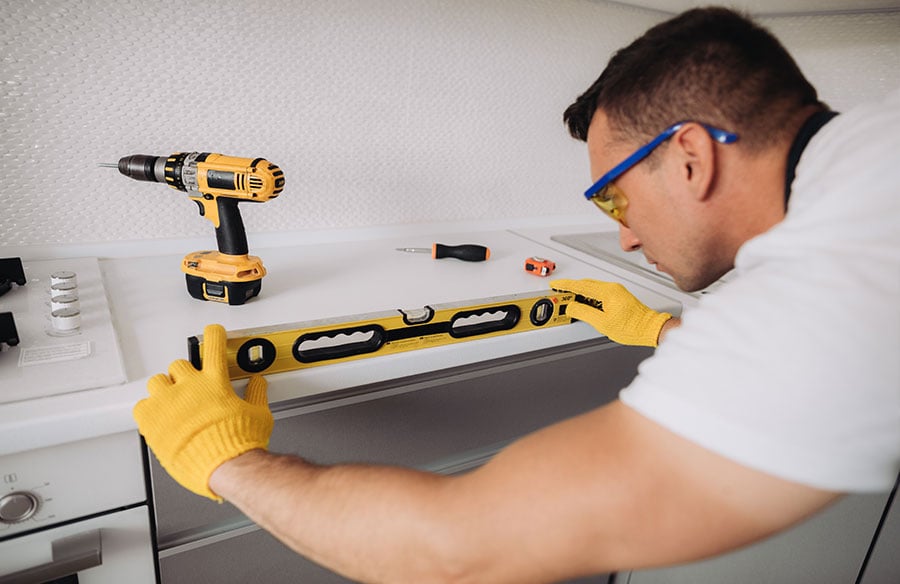
Installing kitchen appliances can seem like a daunting task, but getting it right can save you time and money while ensuring your kitchen functions smoothly. Whether you’re upgrading your oven or installing a new dishwasher, knowing the correct process is essential for a safe and efficient setup. This blog will guide you through the key steps to master kitchen appliance installation Melbourne.
1. Safety First
It is imperative that safety be the top priority before beginning the installation of any kitchen appliance. For electrical appliances, make sure that the power is turned off, and for plumbing appliances, make sure that the water supply is disconnected.
To protect yourself from sharp edges, electricity, and any other potential hazards, it is important to utilize safety gear such as gloves and goggles. Additionally, in order to prevent accidents, it is essential to read the safety instructions provided by the manufacturer.
During the process of installation, it is important to ensure that the area is dry and free of any obstructions to avoid any accidents involving trips or falls.
2. Gather Tools and Equipment
A screwdriver, an adjustable wrench, a level, a measuring tape, and pliers are some of the common tools that you might require. In the event that holes need to be drilled, having a power drill on hand is also beneficial. The installation process will go more smoothly and in a shorter amount of time if you have the appropriate tools on hand.
Check the manual for the appliance to determine whether or not any particular tools are necessary. Sometimes, appliances come with their own installation kit; therefore, you need to make sure that you have gathered all of the components that are provided.
3. Prepare the Space
Get rid of any outdated appliances, dirt, or debris that may be in the area. Make sure the appliance will fit perfectly by taking measurements of the area where it will be installed.
Especially for appliances such as refrigerators and dishwashers, it is essential to make sure that there is sufficient space allowed for air circulation. If the appliance needs to be connected to a water or power supply, ensure that these connections are easily accessible.
4. Follow Step-by-Step Instructions
These guides are intended to create an installation process that is as uncomplicated and risk-free as is humanly possible. It is important to read the entire instruction manual before beginning the process. This will ensure that you are aware of what to anticipate and that you do not overlook any crucial steps.
Because rushing can result in errors or damage, it is important to exercise patience and take your time with each step. In the event that you are uncertain about any aspect of the installation, you should look for instructional videos or seek the assistance of an expert.
5. Test the Appliance
Following the completion of the installation of the appliance, it is essential to test it to ensure that everything is functioning as intended. Turn on the appliance and make sure that it is functioning properly.
For instance, if you have just installed a dishwasher, you should run it through a short cycle to check that it drains properly and functions properly.
If it’s an oven or stovetop, check the heating elements or burners to ensure they are heating properly. For refrigerators or freezers, make sure the temperature settings are accurate.
Master Installations for Safety
By following proper procedures and guidelines, you’ll not only save time and money but also protect your home and loved ones. Stay confident in your skills and always prioritize safety when handling any appliance installation.