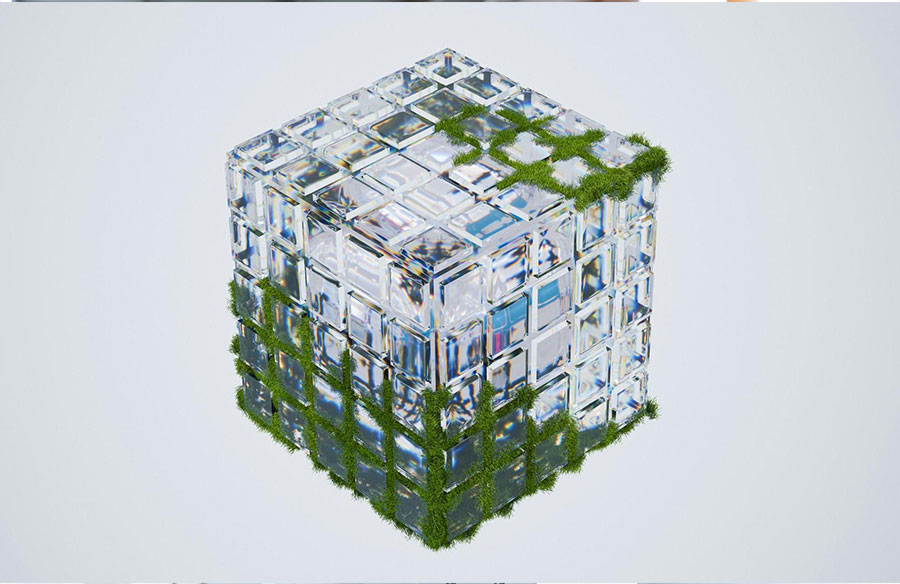
As architecture evolves, smart landscaping is becoming a key feature of high-end living. Homeowners now seek more than just beautiful outdoor spaces—they prioritize functionality, sustainability, and well-being. Allergy-friendly, low-maintenance landscapes are increasingly popular, benefiting both families and their beloved pets.
Innovative design solutions and advanced technologies are making it easier than ever to create outdoor sanctuaries that promote relaxation and overall health. This article explores how smart landscaping shapes modern architecture and the profound mental benefits of tranquil outdoor spaces.
Modern Products and Architectural Innovations
The future is in coupling innovative architecture with advanced products that not just design more functional spaces but also more sustainable spaces.
Outdoor spaces are an extension of the home—a place to relax, play, and enjoy fresh air. However, traditional landscaping often introduces allergens, toxins, and high-maintenance elements, undermining comfort and hygiene. Pollen from flowers and grasses, chemical fertilizers, and uneven terrain can trigger allergies, pose safety risks, and require constant upkeep.
This is where smart landscaping comes in. By embracing cleaner, allergen-conscious designs, homeowners can create outdoor areas that are visually appealing but also safe and healthy for all occupants.
Some solutions that define outdoor spaces are as follows:
Artificial Turf
Unlike natural grass, pet turf is free from pollen and mold, hence a secure, hypoallergenic option appropriate for homes with families and pets. Its smooth, even, and firm surface minimizes the risk of injury, while also requiring less maintenance and time. Modern advanced turf also reflects heat, keeping its surface cool and comfortable to play on.
Vertical Gardens and Green Walls
Vertical gardens are ideal in urban residences with small spaces. Not only do these living walls contribute to greenery and aesthetics, but they also enhance air quality along with insulation.
Smart Irrigation Systems
Water conservation is also a key component in futuristic landscaping. Weather and soil moisture sensors in smart controllers determine perfect watering, providing plants with just as much water as necessary. Such controllers are accessible through smartphone apps, making garden care easy.
Outdoor Living Spaces
Modern architecture is blurring the lines between indoor and outdoor spaces. Features such as outdoor kitchens and fireplaces make these areas as comfortable as they are functional. Allergy-friendly designs and innovative elements can transform these outdoor areas into true extensions of the home.
Mental Health Benefits of Relaxing Outdoor Habitats
Well-designed outdoor spaces do more than add aesthetic beauty to a space—they also significantly impact the state of mind, providing a much-needed respite in a busy world. Being in a green space lowers cortisol, which alleviates stress and has a calming effect from looking at and feeling nature, whether a garden full of greens or a burbling water feature.
Being in natural light with a healthy dose of fresh air also elevates serotonin, which enhances mood and overall euphoria, as a private outdoor oasis provides a sense of serenity and grounding in a busy urban space with little in terms of greenery. All these synergistically interact with each other in a combination that forms a sanctuary that calms the mind and rejuvenates the soul.
Conclusion
Smart landscaping redefines outdoor space design on its axis by incorporating functionality, sustainability, and wellness into a project. By investing in allergen-free, cleaner spaces, homeowners can design spaces that are healthy and fun for both animals and their families. Not merely the physical space, these smartly designed ecosystems also contribute greatly to mental well-being.
As we move towards a more futuristic outlook on architecture, smart landscaping will lead to designing more comfortable, healthy, and sustainable ways of life, returning long-term dividends along the way.