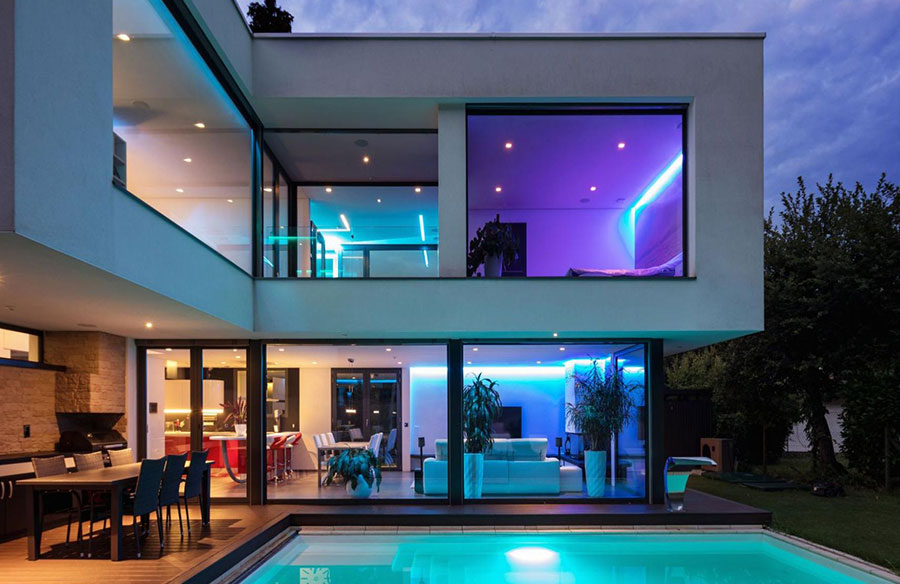
Light color temperature plays a crucial role in how we perceive our surroundings. From the warm glow of a cozy café to the bright, energizing light in an office, the color temperature of our lighting can significantly influence mood and productivity.
Understanding this concept helps us make informed choices about our lighting needs, whether at home or in professional settings.
In this complete guide, we’ll explore the different ranges of light color temperatures and their effects on ambiance. We’ll break down the Kelvin scale, discuss the impact of various lighting options, and offer tips on how to choose the right light for every space.
Join us as we illuminate the beautiful world of light color temperature and empower ourselves with the knowledge to create the perfect atmosphere.
Quick Guide: What You’ll Learn in This Article
- How light color temperature affects your mood, focus, and comfort
- What the Kelvin scale is and how it helps you choose the right lighting
- The difference between warm, cool, and daylight lighting, and where to use each
- Room-by-room lighting tips for both homes and workspaces
- How to match lighting to your goals: whether it’s relaxation, productivity, or visual clarity
Why Light Color Temperature Matters
Light color temperature influences our perception and the ambiance of a space. This aspect affects mood, productivity, and overall comfort in living spaces and workplaces.
What Is Color Temperature?
Color temperature measures the warmth or coolness of a light source, indicated in Kelvin (K). Warmer light, like 2700K, emits a yellow-orange hue suitable for cozy environments, while cooler light, around 5000K, produces a bluer tone ideal for tasks requiring focus.
Different color temperatures create distinct atmospheres, impacting how we perceive and interact with our surroundings.
The Kelvin Scale Explained
The Kelvin scale ranges from 1000K to 10,000K, categorizing light sources into various color temperatures. For example, 2700K provides a warm white ideal for living rooms. In contrast, 4000K offers a neutral option for kitchens, promoting clarity and creativity.
 Cooler color temperatures, such as 5000K to 6500K, imitate daylight and enhance alertness, making them perfect for office lighting. Understanding the Kelvin temperature helps in selecting appropriate bulbs and fixtures that suit specific needs and environments.
Importance of Light Color Temperature
Light color temperature significantly impacts our perception of spaces, influencing mood, productivity, and overall comfort. Understanding the Kelvin scale helps us select the right light sources for our environments.
-
Impact on Mood and Atmosphere
Light color temperature affects mood and ambiance. Warm light, around 2700K, creates a cozy atmosphere, ideal for living rooms and relaxation areas. Cooler colors, like 5000K, enhance alertness and productivity, making them better for workspaces.
Different light bulbs can produce varying color temperatures, so choosing the right bulb ensures we achieve the desired atmosphere for each room.
-
Applications in Different Settings
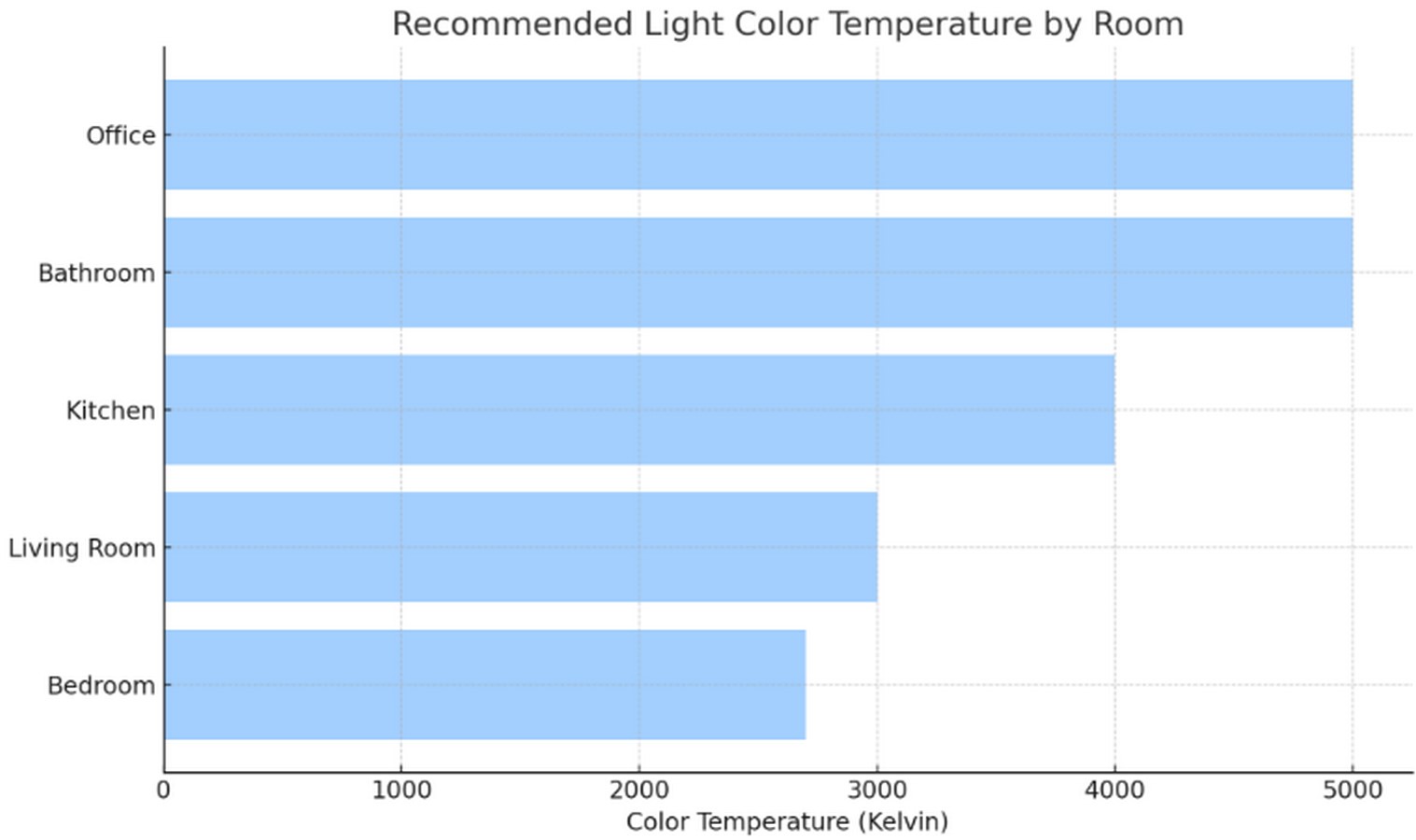
We utilize light color temperatures in various settings to optimize functionality and comfort. In residential spaces, warmer color temperatures (2700K-3000K) suit bedrooms and dining areas to promote relaxation. In contrast, cooler color temperatures (4000K-5000K) work well in kitchens and offices, supporting focus and clarity.
Outdoor lighting benefits from full-spectrum options and cool white tones, which enhance visibility and safety at night. Understanding each room’s color temperature allows us to create effective and appealing lighting solutions.
Types of Light Color Temperatures
Understanding different types of light color temperatures enhances our ability to choose appropriate lighting for various spaces. Here we explore warm light, cool light, and daylight options in more detail.
-
Warm Light
Warm white bulbs, such as incandescent and some LED bulbs, emit a rich golden hue that reduces eye strain and promotes a calming ambiance, especially when used in decorative fixtures like chandelier lights.
Warm white bulbs, such as incandescent and some LED bulbs, emit a rich golden hue that reduces eye strain and promotes a calming ambiance. Using warmer color temperatures in these areas bolsters comfort and supports activities like reading or spending time with family.
-
Cool Light
Cool light typically ranges from 4000K to 5000K, offering a bright and energizing effect. This color temperature enhances productivity, making it perfect for office lighting and workspaces where focus is critical.
Cooler color temperatures improve visibility and clarity, especially in practical tasks like cooking or studying. Cool white light sources, including LED light bulbs and fluorescent fixtures, provide the brightness needed to maintain alertness while reducing fatigue.
-
Daylight
Daylight when classified under the kelvin scale often falls between 5000K and 6500K. This color temperature mimics natural sunlight, promoting a vibrant and lively atmosphere. Full-spectrum light, characterized by its ability to render colors accurately, is beneficial in areas where we require precise color recognition, such as art studios or retail environments.
Utilizing daylight color temperatures can also help regulate our circadian rhythm, making spaces more invigorating during daylight hours.
Choosing the Right Light Color Temperature
Selecting the right light color temperature enhances ambiance and functionality in various spaces. By considering the Kelvin scale and the specific requirements for each room, we can create optimal lighting environments.
-
Tips for Home Lighting
Warmer light (2700K-3000K) offers a cozy ambiance that encourages relaxation in living rooms. Warm white light further enhances comfort in bedrooms. In contrast, kitchens benefit from cooler white light (4000K-5000K) to foster alertness and visibility while cooking.
Outdoor lighting should utilize full-spectrum options or cool white tones (5000K-6500K) for safety and clear visibility at night.
-
Recommendations for Work Environments
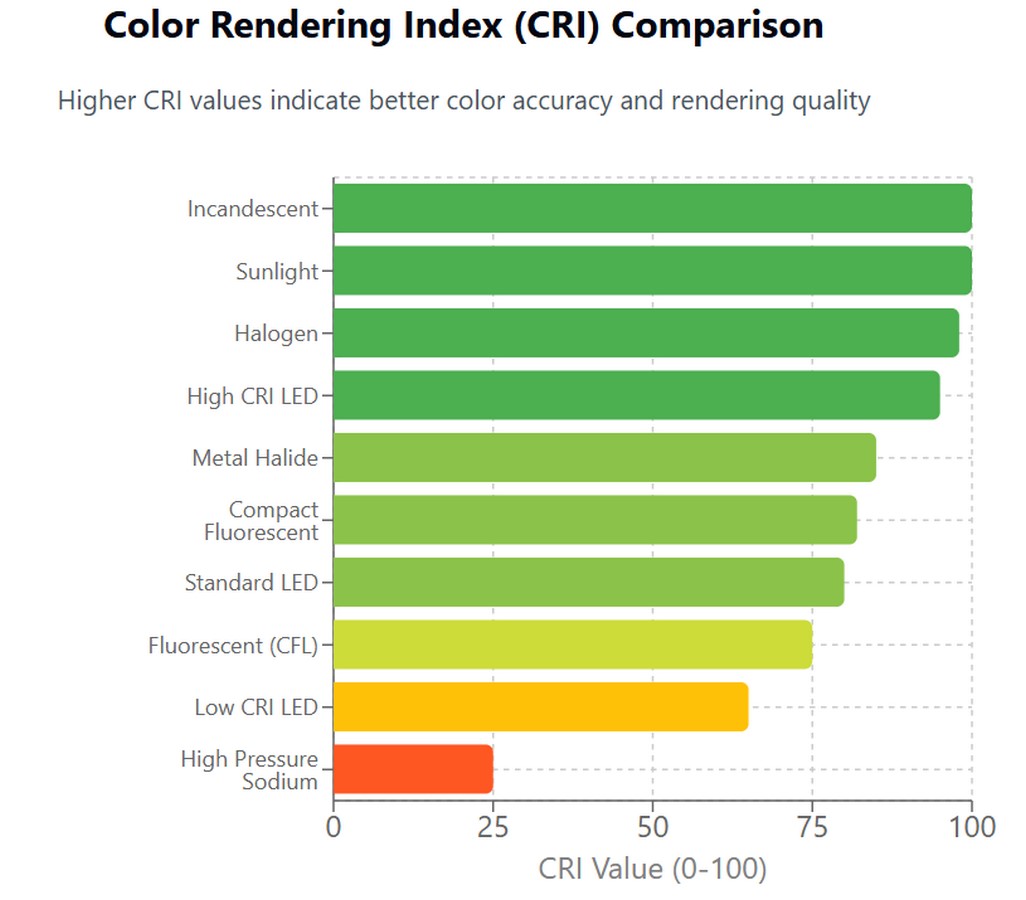
In office settings, cooler color temperatures (4000K-5000K) support higher productivity and focus, which are essential for tasks requiring concentration. Utilizing light bulbs with a higher Color Rendering Index (CRI) improves color accuracy, which is crucial for design work.
 Ensuring a combination of lighting types, like desk lamps with LED bulbs, can create a balanced work environment that promotes well-being and efficiency.
You can discover more about various light color temperatures and their effects, as researched by the University of Minnesota.
Conclusion
Understanding light color temperature is essential for creating the right atmosphere in our spaces. We can significantly enhance our mood and productivity by choosing the appropriate Kelvin rating. Whether we’re aiming for a cozy living room or a focused workspace, the right lighting can make all the difference.
As we explore different environments let’s keep in mind the impact of warm and cool light. By applying the insights from this guide and exploring thoughtfully designed fixtures from LightHouseCo, we can transform our homes and offices into inviting and functional areas.
Frequently Asked Questions
-
What is light color temperature?
Light color temperature refers to the warmth or coolness of a light source, measured in Kelvin (K). Warmer light (around 2700K) is cozy, while cooler light (around 5000K) enhances focus. Understanding this concept helps in choosing the right lighting for different environments.
-
Why is light color temperature important?
Light color temperature affects mood, productivity, and comfort. Warmer lights create inviting spaces, perfect for relaxation, while cooler lights promote alertness, making them ideal for work areas. Choosing the right temperature supports the desired ambiance in various settings.
-
What is the Kelvin scale?
The Kelvin scale ranges from 1000K to 10,000K, categorizing light sources by color temperature. Lower Kelvin values indicate warmer colors (2700K-3000K), suitable for living areas, whereas higher values represent cooler colors (4000K-6500K) ideal for kitchens and workplaces.
-
How can I choose the right light color temperature for my home?
Opt for warmer light (2700K-3000K) for living rooms and bedrooms to create a relaxing atmosphere. Use neutral tones (4000K) in kitchens for visibility and cooler light (4000K-5000K) in workspaces to boost productivity.
-
What types of lighting are best for outdoor spaces?
Full-spectrum options or cool white tones (5000K-6500K) are recommended for outdoor lighting. These choices enhance visibility and safety at night, providing effective illumination for walkways and outdoor activities.