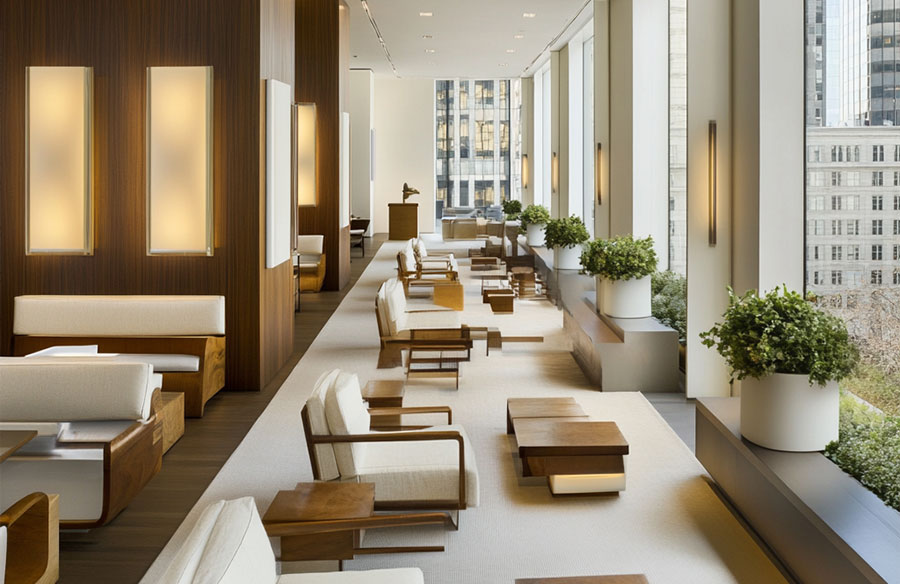
In contemporary architectural design, few innovations have transformed interior comfort quite like multi-zone ductless air conditioning systems. These sophisticated climate solutions offer architects and designers unprecedented flexibility, allowing them to create spaces where ductless mini-split air conditioning units integrate seamlessly with diverse aesthetic visions while delivering personalized comfort. As architectural professionals increasingly prioritize both form and function, these systems represent a perfect synthesis of design elegance and practical engineering—enabling buildings that not only look spectacular but also deliver superior comfort experiences for occupants.
Climate Zoning: The New Frontier of Architectural Comfort
Remember the days when entire households lived at the mercy of a single thermostat? Those thermal dictatorships are rapidly becoming relics of the past. With zone-based climate systems, architectural designers can now craft spaces that respect both thermal requirements and human preferences.
This revolution in comfort isn’t just about luxury—it’s about recognizing that different spaces within a structure often serve fundamentally different purposes. The sunlit studio space with floor-to-ceiling windows has entirely different cooling requirements than the media room specifically designed to block external light. Why should they share the same cooling approach?
Zone-based mini-split systems allow architects to treat each distinct area according to its unique environmental profile, improving both comfort and efficiency. It’s rather like having a lighting plan that considers each room’s purpose instead of installing identical fixtures throughout an entire building.
Design Integration Without Compromise
The architectural challenge of incorporating mechanical systems has always involved difficult trade-offs between functional requirements and aesthetic vision. Traditional HVAC systems demanded significant sacrifices: dropped ceilings to accommodate ductwork, mechanical rooms eating into valuable floor space, and limited options for vent placement.
Modern ductless systems liberate designers from these constraints. With slim wall-mounted units, recessed ceiling cassettes, and even floor-standing options, these systems can disappear into the design or become deliberate elements within it. The connecting lines require only a small three-inch opening in the exterior wall—a far cry from the massive chases traditional systems demand.
This design flexibility resembles the difference between working with flexible LED lighting versus being forced to accommodate rigid fluorescent fixtures—suddenly, the mechanical requirements no longer dictate the architectural possibilities.
The Sustainability Equation
For architects committed to sustainable design principles, multi-zone ductless systems offer compelling advantages. The elimination of ductwork immediately removes one of the most notorious sources of energy waste in buildings—leaky ducts typically waste 25-40% of heating and cooling energy.
Moreover, these systems excel at partial-load conditions, using variable-speed compressors to deliver precisely the amount of cooling needed rather than the all-or-nothing approach of conventional systems. This capability is particularly valuable in modern buildings with high-performance envelopes where cooling loads are reduced but still variable.
The sustainability benefits mirror the efficiency gains seen in transitioning from incandescent lighting to LED technology—the fundamental approach changes from brute-force energy use to precise, targeted delivery exactly where needed.
Smart Building Integration
As buildings become increasingly intelligent, climate systems must participate in that ecosystem. Multi-zone ductless solutions offer sophisticated control capabilities that integrate seamlessly with modern building management systems.
Many now include occupancy sensing, smartphone control, and the ability to learn usage patterns—creating buildings that respond to human needs without constant adjustment. For architectural professionals designing tomorrow’s smart structures, these capabilities provide both immediate comfort benefits and future-proofing against technological evolution.
The integration possibilities evoke the transition from static architectural elements to responsive environments—like moving from fixed walls to spaces that reconfigure based on needs and conditions.
Installation Flexibility for Retrofit Projects
Not every architectural project begins with a blank slate. Renovation and adaptive reuse projects present unique challenges, particularly when introducing modern comfort systems into historic structures. Traditional HVAC approaches often require substantial structural modifications, threatening the integrity of the original architecture.
Ductless mini-split systems offer a minimally invasive alternative. Their modular nature and limited connection requirements make them ideal for retrofit projects where preserving architectural details is paramount. This approach allows designers to honor a building’s heritage while upgrading its performance to contemporary standards.
It’s comparable to the careful integration of modern electrical systems into historic buildings—creating invisible improvements that enhance functionality without compromising character.
Beyond Binary Thinking: The Thermal Comfort Spectrum
Traditional climate systems operate in binary modes—heating or cooling, on or off. Modern ductless systems introduce nuance to this equation, offering precise temperature control, dehumidification without cooling, and fan-only modes that create air movement without temperature change.
This expanded capability allows architects to design for the full spectrum of thermal comfort factors rather than focusing exclusively on air temperature. For occupants, this translates to spaces that feel comfortable across more conditions without constant adjustment.
The shift parallels architectural lighting’s evolution from simple on/off switches to sophisticated dimming and color temperature controls—acknowledging that human comfort involves subtlety rather than binary states.
Conclusion: Designing for Human Experience
As architectural thinking increasingly centers on human experience, climate control systems must evolve beyond mere technical solutions to become true contributors to spatial quality. Multi-zone ductless systems represent exactly this evolution—technology that enhances rather than constrains design possibilities while improving occupant comfort and building performance.
For forward-thinking architects and designers, these systems offer a compelling combination of aesthetic flexibility, personalized comfort, energy efficiency, and technological sophistication. When skillfully integrated into thoughtful designs, they disappear into the background while their benefits remain prominently felt—the ultimate goal of truly successful architectural technology.
The result? Buildings where climate becomes an enhancement to architectural vision rather than a compromise—where each space achieves its ideal temperature without sacrificing design integrity or energy performance. That’s a revolution worth embracing.