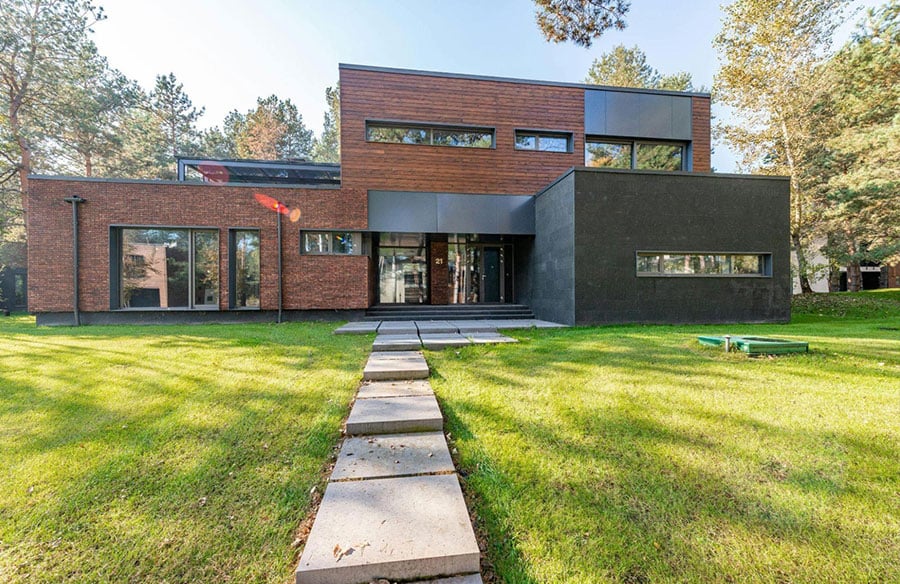
So, you’ve finally decided to build your forever home? That’s exciting. There’s something special about knowing this is the place you’ll settle into for good. Most people spend hours planning their kitchen, living room, or bathrooms. But the outdoor space deserves just as much attention. After all, it’s the first thing people see—and where you’ll probably want to spend more time than you think.
From privacy to storage, a well-designed yard makes your home more comfortable and functional. Whether you’re starting from scratch or mapping out final details, here are a few outdoor must-haves to think about.
Privacy and Security Come First
You can’t enjoy your outdoor space if it doesn’t feel secure. A good fence gives you both privacy and peace of mind. It defines your space, keeps kids and pets safe, and adds curb appeal all at once.
It’s worth investing in a quality design and durable material that fits the style of your home. Whether you prefer modern lines or a rustic look, a residential fence company can help you figure out what works best. They’ll also make sure everything is up to code and installed properly. This isn’t something you want to DIY and regret later.
Planning for your forever home means thinking ahead. Choose fencing materials that age well and require minimal upkeep. Wood, vinyl, and metal all have their pros and cons, but a reputable fence expert can walk you through the options based on your lifestyle and climate.
A Comfortable Outdoor Living Area
These days, outdoor spaces are basically an extension of your home. Whether it’s a full kitchen, a shaded patio, or just a cozy seating area, this part of your yard should feel just as inviting as your living room.
Think about shade first, especially if you live somewhere warm. A pergola, retractable awning, or full patio cover can make a big difference. Once you’ve got that figured out, plan for weather-resistant furniture, ceiling fans, and outlets for lighting or music.
You don’t need anything over the top. The goal is to create a space where you’ll actually want to hang out. Add a table for dinner, a couch for lounging, or a small fire pit for chilly evenings. Make it functional, and you’ll use it all year long.
Low-Maintenance Landscaping
Landscaping should look good without turning into a weekend project every month. Native plants are a great place to start. They’re used to the local weather, so they need less water and attention. Bonus: they often attract bees, butterflies, and other pollinators.
If you don’t want to think about watering, go ahead and plan for a drip irrigation system or sprinklers now. It’s easier to install during construction than later on.
Also, don’t overlook the materials you use for things like walkways, garden borders, or edging. Gravel, stone, and pavers tend to last longer and don’t need as much fixing up as mulch or untreated wood.
A Place for Play and Relaxation
Your yard should fit your lifestyle. If you have kids or plan to in the future, leave room for them to run around. A grassy area, swing set, or playhouse can go a long way. If you don’t have little ones, think about what makes you relax—maybe a hammock under a tree, a shaded bench, or a simple water feature.
It’s smart to divide your yard into zones. One for activity, one for chilling, and maybe one for gardening. This helps you stay organized and keeps your yard from feeling cluttered.
Also, if you live with older family members or plan to age in place, make sure paths are wide, flat, and easy to walk on. Safety and comfort should go hand in hand.
Storage That Doesn’t Stick Out
Outdoor storage isn’t glamorous, but you’ll be glad you planned for it. Lawnmowers, garden tools, sports gear, and patio cushions all need a place to go. Instead of adding a big shed later, think about built-in options.
A bench with hidden storage, a cabinet in your patio wall, or a small structure that matches your home’s design can blend in nicely. You’ll keep everything organized without creating an eyesore.
Also, if you like to garden or work on outdoor projects, plan a small work area with counter space and shelves. It doesn’t need to be big—just functional.
Lighting You Can Count On
Lighting makes your outdoor space safer and more usable, especially at night. The best setups include three types: ambient (for general glow), task (for things like grilling or reading), and accent (to highlight trees, walkways, or walls).
You don’t need to light up the whole yard. Focus on key areas—like the entry path, driveway, patio, and stairs. Solar options are good for soft lighting, while low-voltage systems are better for strong, reliable coverage.
Also, consider motion sensors or timers so you don’t have to think about turning lights on and off. A well-lit yard feels more inviting and helps deter unwanted visitors, too.
Driveway and Entry Details
Driveways often get overlooked in the early stages of planning, but they’re more important than you might think. You’ll use it every single day, so make sure it’s wide enough to park and turn easily. If you entertain often, leave space for extra vehicles or delivery trucks.
Think about materials too. Concrete is common, but pavers or textured finishes can add a nice touch without going overboard. Lighting the path to your front door is also smart, especially if you come home late or expect guests in the evening.
And don’t forget small things like clear house numbers, a mailbox that matches your home’s style, or a motion sensor near the garage. These add up and make the front of your home feel complete.
Building your forever home is a big deal. You want it to feel right, inside and out. While it’s easy to focus on interior finishes and furniture, your outdoor space plays a huge role in how your home looks and feels every day.
By planning for privacy, function, and comfort outside, you’re not just making your yard prettier—you’re making your life easier. Every choice should reflect how you want to live, not just what looks good in photos.
So take your time, think long-term, and design an outdoor space that truly feels like yours.