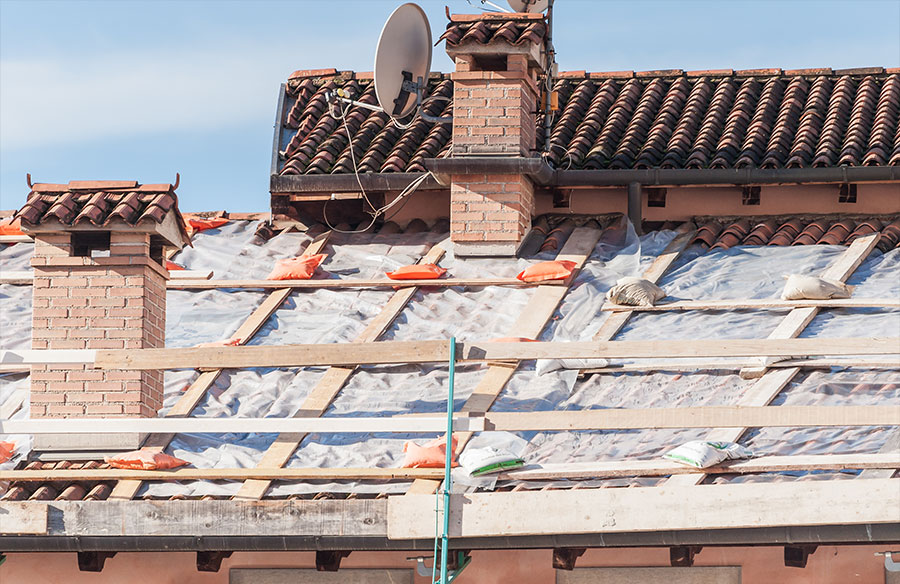
Many building owners assume that once you’ve completed the construction, there’s not much to be done apart from internal hygiene and maintenance. In fact, buildings need regular care both inside and outside.
The roof is one of the most overlooked parts of the building, and until it starts to leak, sag, or get severely damaged, it’s easy to take it for granted. At this point, the question of repair, restoration or complete replacement comes into focus.
Why Is Roofing Health Important?
Whatever the size, location and style of your building, the roof is a vital part of your building. It isn’t a mere add-on atop the construction, nor is it meant for providing only aesthetic appeal.
The roof protects occupants and their property from the sun, rain, wind, and other weather elements. Without a strong covering overhead, people would be exposed to these elements, animal and pest attacks, falling debris, branches, bird and animal droppings. A sheltering roof ensures that people and their pets/livestock stay safe.
Without a strong roof, the building’s structure becomes weak and unsupported. It brings together several other aspects such as lighting, plumbing, electricals and insulation so that you remain comfortable no matter what the outside environment.
Roof maintenance ensures that you are in compliance with local and national building regulations and insurance requirements. A well cared for roof can boost your property values and increase the curb appeal of your building.
Given these aspects, timely inspection and maintenance of your roof are very important. As soon as you spot damage, loose tiles, cracks or leakage, make sure that you attend to the problem immediately. Delays can be expensive and troublesome at a later stage.
To get more information and a quote on roof restoration services in the Melbourne area contact: https://www.firstclassroofing.com.au/
Restoration and Replacement: What’s the Difference?
There are two aspects to fixing roofing problems. If the damage is relatively minimal and localized, repair or restoration is a better option. It involves conducting a detailed assessment of damage, identifying and locating the areas that need work, assessing the cost of labor, time and materials before proceeding with the work.
In the case of replacement, it means complete removal of the old roof and installing a totally new one. This is undertaken for various reasons. Perhaps the cost and effort involved in repair or restoration are very high, or the extent of damage is too much. Often, whole roof replacement is undertaken when there is a complete makeover of the building itself. Roof replacement may be done for aesthetic reasons, or to put in new climate control features. Complete replacement may be done when the roof is too old and the safety risk is high.
Is Roof Repair The Answer?
Before undertaking any major work on your roof, it’s crucial to seek advice from an experienced, qualified, local roofing expert who can provide objective opinions.
Most roofs have a lifespan of their own. Metal roofs can last up to 50 years with regular maintenance. Tiled roofs, or roofing with shingles need more care and attention. Other materials such as cement or asphalt roofing have their own guarantees, but again, depending on the kind of maintenance you give them.
If the damage is extensive the professional may recommend replacement.
In some cases, replacement is needed to use newer and more modern innovations and materials. Tiled roofs are much heavier than newer materials and replacing them with lighter roofing can reduce the load on the building, especially if it’s an older one. This means that the structure stays sound, and timber and walls will not sag or suffer damage.
If your old roof was made of asbestos or has asbestos containing materials such as insulation, fittings, fire-proofing or paints, it’s all the more important to replace it with a safer material.
Continuous exposure to harsh weather results in corrosion and rust if you live near the coastline. Salt in the air tends to eat into metal over time, weakening fastenings, fittings and metal roofs.
Is It Worth The Cost?
When you weigh the costs, there are two aspects – financial and safety. Both are equally important, but when it comes to the crunch, safety is more of a priority than the money cost.
Replacement or restoration can extend the life, health and strength of your roof and your building. Exposure to harsh weather conditions, damage due to climate changes, falling debris or other kinds of disruption can weaken the roof. The original materials may fade or deteriorate.
Your energy bills may be abnormally high because of leakage, cracks or gaps in the roof or edging. Your HVAC systems will draw more power to the same level of comfort. With a new or restored roof, you can save a significant amount on your power bills.
Damaged roofs are a safety hazard that get compounded over time. If yours is an older building, or you’ve just moved into one, the roof may need immediate replacement so that smaller issues such as cracks, loose tiles or fittings can be fixed.
The main benefit of replacement or restoration is that you get complete peace of mind that your building is safe from intruders, weather and pest attacks.