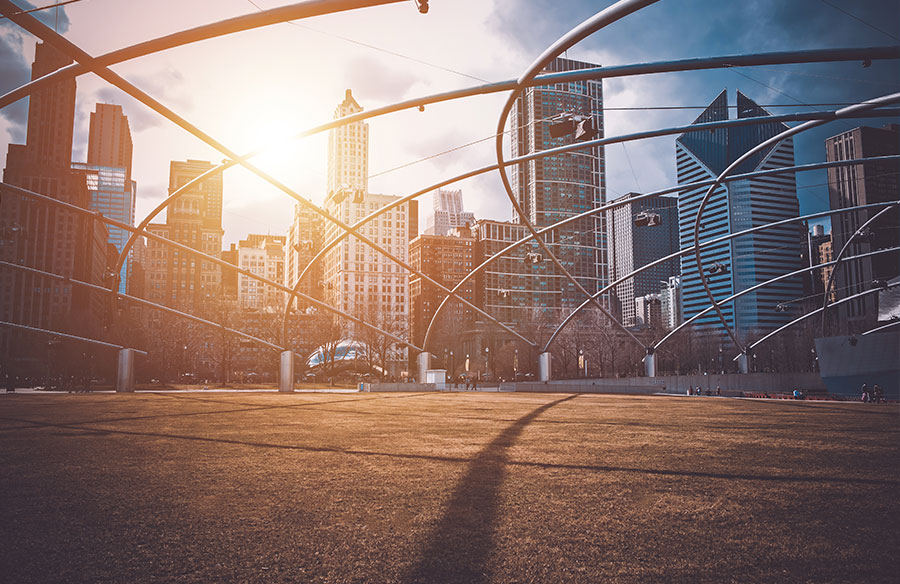
As cities grow and urbanization continues to rise, the need for efficient design becomes increasingly important. In the past, urban spaces were often designed based on traditional methods, with little attention to long-term sustainability or efficiency. However, over the last few decades, technology has played a pivotal role in transforming how cities are planned and developed. Modern urban design now integrates smart technologies to enhance infrastructure, improve public services, and create more livable environments. From smart streetlights to data-driven urban planning, these innovations aim to make cities more efficient and sustainable. Technology allows for better management of resources, improved traffic flow, and greater energy conservation, all contributing to a higher quality of life for residents. As cities continue to expand, leveraging technology in urban design will be crucial in addressing the challenges of modern urban living.
Role of Technology in Urban Design
Technology has revolutionized urban design, enabling cities to become more efficient, sustainable, and responsive to the needs of residents. With the rise of smart technologies, urban planning is no longer about just physical space; it’s about creating environments that are data-driven, responsive, and adaptable. From sensors that monitor traffic flow to apps that help residents find available parking spots, technology helps improve daily life.
Some key ways technology is integrated into urban design include:
- Smart streetlights that adjust based on movement
- Traffic sensors that optimize traffic flow
- Waste management systems that track and optimize pickups
- Green building materials that reduce energy consumption
- Real-time public transport updates for commuters
- Apps that help residents engage with their community
- Climate-responsive design for better energy efficiency
These innovations are creating cities that are more livable, safer, and efficient. As cities continue to grow, leveraging technology will be essential for solving challenges like overcrowding, resource management, and environmental sustainability, ultimately leading to more connected and organized urban spaces.
Smart Infrastructure Solutions
Integrating smart infrastructure into urban design is transforming cities into more efficient, sustainable, and livable environments. By embedding sensors, data analytics, and connectivity into physical structures, urban areas can optimize resource management, enhance mobility, and improve the quality of life for residents. For instance, smart mobility solutions can revolutionize city living by improving quality of life, though implementing them at scale presents challenges.
Additionally, the development of digital twins allows urban planners to visualize and simulate cityscapes in intricate detail, aiding in assessing the impact of proposed changes on the urban environment. Furthermore, integrating technology into infrastructure supports innovative urban management, contributing to energy efficiency and sustainability. These advancements exemplify how technology maximizes efficiency in urban spaces, fostering smarter, more connected communities. The integration of smart infrastructure can also lead to cost savings by reducing waste and improving resource allocation, contributing to the overall sustainability of cities. With storage needs growing, solutions like reliable storage services provided in Spokane Valley, WA, are crucial for managing urban space effectively. As these technologies continue to evolve, they will play a key role in reshaping urban spaces, making them more adaptive to the changing needs of the population.
Note: The concept of integrating technology into urban infrastructure has been developing over the past two decades, starting with simple traffic management systems and expanding into complex, multi-faceted solutions that influence various aspects of urban living.
Data-Driven City Planning
Data-driven city planning is transforming how urban spaces are designed and managed. By using real-time data from sensors, social media, and other sources, urban planners can gain valuable insights into how a city functions and where improvements are needed. This approach allows cities to address issues such as traffic congestion, waste management, and resource allocation more effectively. For example, traffic data collected through sensors can help adjust traffic light timings to improve flow, reducing delays and lowering emissions. In addition, analyzing patterns of energy usage can lead to more efficient building designs and energy-saving initiatives. Data also helps urban planners forecast future needs, ensuring that infrastructure can meet the demands of a growing population. The ability to gather and analyze large amounts of data in real-time enables cities to become more adaptive and responsive. This results in smarter urban spaces that are more efficient, sustainable, and livable. Data-driven planning also allows for more citizen involvement, as residents can contribute feedback through digital platforms.
By embracing this approach, cities can improve the overall quality of life for residents while minimizing environmental impact. As technology continues to evolve, data-driven city planning will become even more integral in creating cities that are not only more efficient but also more resilient.
Sustainable Urban Technologies
Sustainable urban technologies are revolutionizing how cities approach growth, energy use, and environmental impact. As cities continue to expand, these technologies offer solutions that help reduce waste, conserve resources, and improve the overall quality of life for residents. By incorporating renewable energy sources, energy-efficient buildings, and sustainable transportation systems, urban planners are making cities more eco-friendly and adaptable to future challenges.
Some of the key sustainable technologies include:
- Solar panels and wind turbines that provide clean energy
- Smart grids that help manage energy use more efficiently
- Electric vehicles and bike-sharing programs that reduce pollution
- Water recycling systems that minimize waste and conserve resources
These technologies not only contribute to environmental sustainability but also offer economic benefits by reducing long-term costs for municipalities and residents. For example, energy-efficient buildings reduce heating and cooling costs, while smart grids optimize electricity distribution, saving energy and lowering bills. In addition to economic and environmental benefits, sustainable technologies create more livable spaces by improving air quality and reducing traffic congestion. By embracing these solutions, cities can reduce their carbon footprint, enhance the resilience of infrastructure, and create more sustainable urban environments that can support future generations. As technology continues to evolve, it will play a vital role in shaping the cities of tomorrow.
Insight: Sustainable urban technologies began gaining momentum in the late 20th century as concerns over climate change and resource depletion increased. Today, these technologies are integral to city planning, driving progress toward more resilient and eco-friendly urban living.
Enhancing Public Transportation
Public transportation is a key element in maximizing the efficiency of urban spaces. By integrating technology into public transit systems, cities can offer faster, more reliable, and more accessible services. Real-time tracking, mobile apps for route planning, and automated ticketing make commuting easier and more convenient for residents. Well-designed public transportation systems help reduce traffic congestion, lower emissions, and promote sustainable travel options, making cities more efficient and reducing the overall environmental footprint.
Moving Forward with Technology
As cities continue to grow, the integration of technology will be essential for creating more efficient, sustainable, and livable urban spaces. From data-driven planning to smart infrastructure, technology is transforming how cities function. By embracing these innovations, cities can improve resource management, enhance mobility, and reduce environmental impact. Moving forward, technology will play a key role in addressing the challenges of urbanization and creating communities that are adaptable and resilient.