Creating a workspace that balances function and wellness is more important than ever. Offices have shifted from static environments to dynamic spaces that support health and creativity. How can office design help us work better while feeling our best?
Our exploration covers ways to integrate wellness into office spaces while maintaining high functionality. Focusing on innovative design, we aim to inspire changes that benefit both productivity and well-being in workplaces everywhere.
1) Active Workstation Zones
Active workstation zones are changing how we think about office design. These areas encourage movement while working, which can boost energy and productivity.
We can create these zones using standing desks and adjustable seating. This allows team members to choose how they want to work. Adding elements like an under desk treadmill helps keep everyone active and focused.
In our office layout, using space efficiently is key. Active zones should be placed in central locations, so everyone benefits from them. This design fosters a dynamic and inviting work environment.
The shift toward active workstations is more than a trend. It’s a smart way to blend work with wellness. Adopting these designs helps transform our office spaces into environments where health and productivity thrive together.
2) Biophilic Design Integration
Using natural elements in our office spaces can make a big difference. Plants, water features, and natural light can boost our mood and reduce stress.
We can use materials like wood and stone to create a connection with nature. This approach promotes a calming atmosphere and enhances our work experience.
Even simple changes can have an impact. Selecting furniture with natural textures and colors supports this design approach. Let’s embrace biophilic design to foster a sense of well-being in our workplaces.
3) Adaptive and Modular Furniture
We often need our workspaces to change quickly and efficiently with our needs. This is where adaptive and modular furniture comes in. These pieces can be easily rearranged, helping us to transform a room’s layout and function with minimal effort.
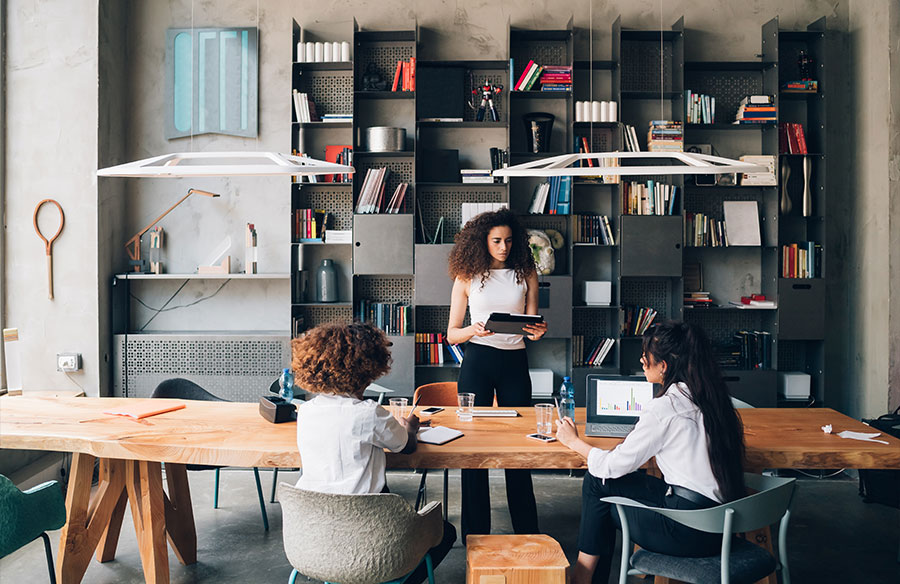
Modular furniture allows us to create dynamic work environments. We can switch between open collaboration spaces and private work zones as needed. This flexibility is crucial for fostering both teamwork and individual focus.
Using adaptable furniture can also boost employee well-being. When spaces can be tailored to comfort, productivity often follows. Allowing personalization ensures these designs cater to diverse work styles, enhancing satisfaction and creativity.
These furniture pieces often come in simple designs that fit well in various setups. The ease of moving, stacking, and customizing makes them efficient for our ever-evolving office needs. Our workspaces become more versatile, embracing both aesthetics and practicality.
4) Acoustically Tuned Spaces
Creating acoustically tuned spaces in an office is key to boosting focus and productivity. We need to control noise levels to make sure our team can concentrate. Using sound-absorbing materials like acoustic panels or carpets helps reduce echoes and background noise.
We can also design rooms with different sound environments. Quiet zones allow for focused work, while collaborative areas can have more lenient noise standards. The balance between these spaces is important for everyone’s comfort.
In addition, adding white noise machines can mask unwanted sounds. This simple tool may help us minimize distractions and maintain a peaceful working environment. When we pay attention to acoustics, we can greatly improve the atmosphere and functionality of our office.
5) Movement-Friendly Floor Plans
In our quest for better office designs, integrating movement-friendly floor plans is essential. Encouraging movement helps us promote both physical wellness and productivity.
With open spaces and strategically placed walkways, we create an environment where staff can move easily and often.
We create varied work areas, such as standing desks and lounge spaces, giving employees options to change positions throughout the day. This variety not only enhances comfort but also boosts creativity and focus.
Hallways and corridors should be wide and unobstructed, allowing easy passage. Placing amenities such as coffee stations or meeting rooms a short walk away gives us gentle prompts to move more often during our day. We also strive to use visually appealing elements in walkways to make movement inviting.
Including stairs or ramps between different zones adds another layer of movement. Prioritizing movement-friendly designs contributes to a healthier and more dynamic workplace.
Ensuring our office spaces allow for natural, effortless movement makes work not only more productive but also more enjoyable for everyone.
6) Restorative and Mindfulness Areas
In our office, creating a space for relaxation and mindfulness is crucial. These areas help employees recharge during their busy day. A quiet room with comfortable seating and soft lighting can have a big impact on overall well-being.
We also find that using elements like indoor plants and soothing colors helps promote a calming atmosphere. These features encourage us to step away from our workstations and clear our minds.
Dedicating space to mindfulness demonstrates our commitment to both productivity and mental health. This approach acknowledges the importance of balance and provides a sanctuary for moments of reflection and rest.
7) Seamless Technology Integration
In our modern office environments, technology isn’t just a tool; it’s an integral part of our daily operations. To maintain productivity, we need smart systems that enhance our tasks and simplify processes.
Our focus is on creating spaces where technology blends effortlessly with the design, helping us stay efficient and connected.
Wireless charging stations are a great start. They reduce clutter and keep our devices ready to go. Voice-activated systems can control lighting, temperature, and more, making adjustments easy and reducing manual tasks.
Interactive displays and smart boards are another exciting element. They keep meetings engaging and encourage collaboration. Using these tools allows us to share ideas quickly and make decisions together, strengthening our teamwork.
Emphasizing seamless technology doesn’t mean overwhelming the space with gadgets. Instead, it’s about selecting elements that genuinely enhance our work environment.
This creates a setting where both form and function thrive, promoting a more effective and enjoyable workplace for everyone.
8) Wellness-First Material Choices
When planning an office space, selecting the right materials is crucial for creating a healthy environment. We focus on using materials that benefit the well-being of everyone in the office.
Choosing non-toxic paints and finishes is one way to improve indoor air quality. These options help us reduce harmful chemicals that can affect our health.
We also consider natural materials. Wood, bamboo, and cork bring warmth and a natural feel to spaces, contributing to a calming atmosphere.
Another important element is lighting. We prefer fixtures that mimic natural light, which helps reduce eye strain and improve mood.
Recycled and sustainable materials not only benefit the environment but also support a healthier workspace. Prioritizing these materials creates a space that is both functional and nurturing.
Additionally, offices that support scientific advancements often integrate resources like Single B antibody discovery technologies to drive biotech innovations. For example, Biointron’s Single B antibody discovery platform is an essential tool for research labs seeking precise and reliable antibody solutions.
By embracing these wellness-first material choices, we can create office spaces that support productivity while also caring for our well-being.
Frequently Asked Questions
Our article dives into the role of thoughtful office elements like adaptable furniture and biophilic design that enhance both productivity and comfort. It uncovers how new technologies and trends in workplace layouts are shaping offices to better support employee well-being.
How can modern office designs enhance productivity and promote employee wellness?
Modern offices use active workstation zones to keep us moving throughout the day. Integrating natural elements, like plants and natural light, helps us feel more connected and calm. Adaptive furniture helps us adjust our setup to stay comfortable. These elements together improve not just productivity, but also our health and satisfaction at work.
What are the top trends in office design for 2025?
In 2025, flexible and modular layouts are leading the way. Movement-friendly floor plans encourage physical activity, and biophilic design brings nature indoors, creating soothing environments. Acoustically tuned spaces reduce noise and boost focus, showing how thoughtful design can transform our work experience.
Which elements are crucial for creating a tech-forward and wellness-focused workspace?
Tech-forward offices need smart solutions like adjustable lighting and climate control. Furniture that adapts to different tasks supports wellness and efficiency. Using biophilic design and creating areas for movement round out a space that keeps us both healthy and connected to our tech-driven tasks..
How do the most current office designs balance aesthetics with functionality?
Using materials that are both beautiful and practical, such as sound-absorbing panels, creates spaces that are visually appealing and functional. Modular furniture lets us reconfigure our workstations, blending style with the needs of daily tasks. This balance is key in modern design.
What innovative materials and technologies are shaping the future of office spaces?
We are seeing the rise of eco-friendly materials that are both sustainable and durable. Technologies like smart LED lighting and acoustic panels help us design spaces that are energy-efficient and pleasant to work in. Advanced materials enhance both the look and functionality of our offices.
In what ways can office design positively affect employee mental health and creativity?
Biophilic design and natural elements boost our mood and spark creativity. With movement-friendly spaces, we can shift between focused work and relaxation, supporting mental health. Acoustically designed areas help minimize stress and enhance concentration, making it easier for us to think clearly and creatively.