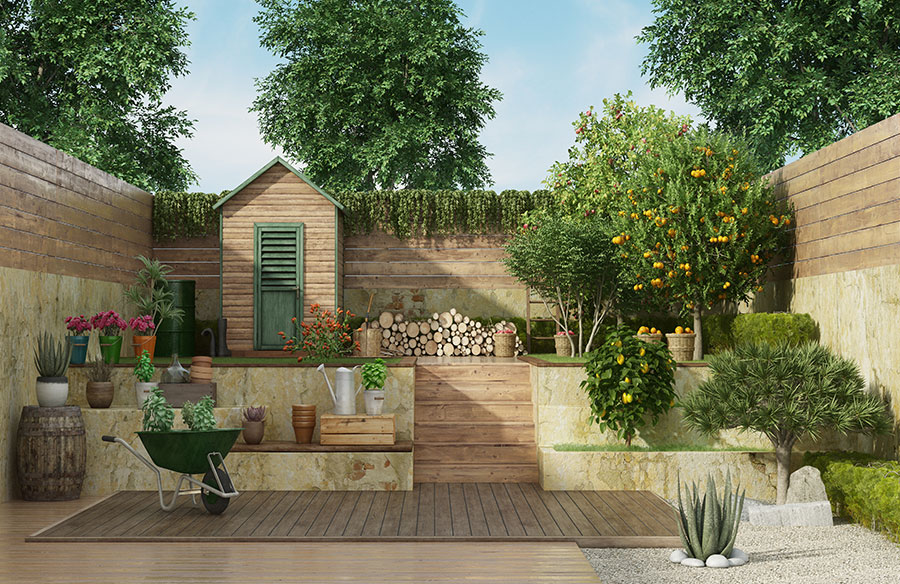
Wood. It’s simple. It’s strong. And when it comes to outdoor projects? It’s a classic. Especially hardwood railway sleepers.
These chunky wooden beams were once used to support train tracks. Now? They’re making a comeback in gardens across the UK and beyond. And not just because they look great. They’re sturdy, versatile, and surprisingly easy to work with.
Curious about how to use them? You’re in the right place. We’re breaking down everything—from picking the right type to building raised beds, steps, and more.
Grab a cuppa. Let’s dig in.
Why Use Railway Sleepers in Your Garden?
Three words: strong, stylish, affordable. Railway sleepers can take a beating. Rain, sun, snow—no problem. They age beautifully and add a rustic charm that’s hard to fake.
They’re also a bit of a chameleon. Want something modern? Stack them neatly and stain them dark. More of a cottage garden fan? Let them weather naturally.
And here’s the best part. You don’t need to be a builder to use them. Just a plan, a few tools, and some muscle.
Types of Railway Sleepers: Choosing the Right One
Not all sleepers are the same. Picking the right type will make your project smoother—and last longer.
Hardwood vs. Softwood Sleepers
Hardwood sleepers are tough. Think oak, teak, or mahogany. They’re dense, heavy, and incredibly durable. Perfect for retaining walls, steps, or anything load-bearing.
Softwood sleepers are lighter and easier to cut. They’re often made from pine or spruce. A great option for raised beds or edging. But—they’ll need treatment if you want them to last.
Reclaimed vs. New Sleepers
Reclaimed sleepers are full of character. Cracks, marks, and all. They’ve lived a life and have the scars to show it. If you’re after a weathered look, they’re your best bet.
New sleepers are smooth, uniform, and clean. Easier to work with. Easier to match. And they haven’t been treated with creosote—so they’re safer for veggie patches.
Treated vs. Untreated Wood
Treated sleepers have been coated to resist rot and pests. Ideal for anything touching soil.
Untreated sleepers look more natural, but won’t last as long. If you go untreated, consider adding a protective oil or sealant.
Planning and Preparing Your Space
Before you start digging holes or buying wood—plan. Measure your space. Sketch a layout. Think about where the sun hits. Drainage. Access.
Once you’ve got a design, prep the area:
- Clear weeds and debris
- Level the ground (a rake and spirit level go a long way)
- Add a weed barrier or gravel base if needed
Tip: Always dry-lay your sleepers first. That means placing them down without fixing them. See how it looks. Make tweaks. Then go all-in.
Creative Ideas to Transform Your Garden With Railway Sleepers
So, what can you actually do with these? Turns out—a lot.
Raised Garden Beds With Sleepers
Perfect for flowers, herbs, or veggies. Raised beds are easy to build and easier on your back.
Start with a rectangle. Stack the sleepers 2 or 3 high. Fix them with timber screws or metal brackets. Fill with compost and topsoil. Done.
Bonus: They help with drainage. Especially in heavy clay soils.
Building Retaining Walls and Terraces
Got a sloped garden? Sleepers can turn it into usable space.
Lay them horizontally and stagger the joints. Like bricks. Anchor them into the ground using rebar or long screws. Add gravel behind the wall for drainage.
It’s like building Lego. Heavy, muddy Lego.
Creating Garden Edging and Borders
Want to make your lawn look sharper? Add definition? Sleepers make excellent edging. Lay them flat or stand them upright. Either way, they frame your garden beautifully.
Use them to:
- Separate grass from gravel
- Frame flower beds
- Line pathways
They’re simple, but they make everything look more polished.
Designing Garden Paths and Steps
Pathways don’t need to be boring. Sleepers bring texture and charm.
Lay them like stepping stones. Fill the gaps with gravel or mulch. Or dig them in slightly for a flush finish.
Need steps? Stack them with a slight tilt for water runoff. Add rebar pins to hold them in place. A little grip tape or wire mesh keeps things safe in wet weather.
Constructing Garden Furniture
Want a chunky wooden bench that doesn’t blow over in the wind? Use sleepers. Cut them to size. Stack and screw. You can build:
- Benches
- Coffee tables
- Outdoor shelves
Add cushions for comfort. Or keep it raw for a minimal look. Either way, they’ll last for years.
Sleepers for Vegetable Plots and Allotments
If you grow your own—this one’s for you. Sleepers help define your growing space. And keep weeds, pets, and little feet out.
Use them to:
- Create neat raised beds
- Mark out walkways between rows
- Build compost bins or storage bays
And if you’re worried about treated wood near food? Go for untreated or line the beds with plastic sheeting.
Affordable, Stylish, and Timeless Garden Upgrades
Railway sleepers tick all the boxes. They’re practical. They look good. And they suit every type of garden. From raised beds to retaining walls, furniture to flower borders—you can do a lot with just a few beams and a free weekend.
And here’s the kicker. You don’t need fancy tools or a construction crew. Just a saw, a drill, and a solid plan. So go on. Sketch your layout. Pick your sleepers. And get building.
Your garden’s about to look very, very different. In the best way possible.