Texas has long been known for its oil and gas industry, but a new energy revolution is reshaping the state—solar power.
With record-breaking solar energy developments, Texas is leading the nation in renewable energy expansion. This surge isn’t just about sustainability—it’s transforming the way architects design buildings, integrating solar into homes, commercial spaces, and entire urban landscapes.
Let’s explore how solar advancements are influencing Texas architecture and redefining the built environment.
1. Texas: A Solar Energy Powerhouse
Texas now generates more solar energy than ever before, ranking second in the U.S. for installed solar capacity.
Why Texas is Seeing Record Solar Growth
- Abundant sunlight – Texas receives over 230 sunny days per year.
- Declining solar costs – Panel prices have dropped nearly 70% over the last decade.
- State and federal incentives – Programs like the Texas Solar Rights Law and the Investment Tax Credit (ITC) encourage adoption.
- Corporate investments – Companies like Tesla, Amazon, and Meta are building massive solar farms in Texas.
As solar energy becomes more affordable and efficient, Texas architecture is evolving to incorporate it in new and innovative ways.
2. How Solar is Reshaping Texas Architecture
Solar-Integrated Residential Homes
Homebuilders are now designing homes with built-in solar panels, rather than adding them as an afterthought.
Key Features of Solar-Ready Homes
- Solar roof tiles – Tesla’s Solar Roof and similar products blend seamlessly with modern home designs.
- Net-zero energy homes – Houses designed to produce as much energy as they consume.
- Battery storage integration – Home solar systems now include Tesla Powerwalls and LG batteries to store excess power.
Example: Austin’s Whisper Valley is a master-planned community featuring solar-powered smart homes with zero carbon footprints.
Solar in Commercial and High-Rise Buildings
Businesses are integrating solar into skyscrapers and office spaces to reduce energy costs and carbon emissions.
How Commercial Buildings Are Adopting Solar
- Solar glass windows – Buildings like the Frost Tower in Austin use photovoltaic (PV) glass to generate electricity.
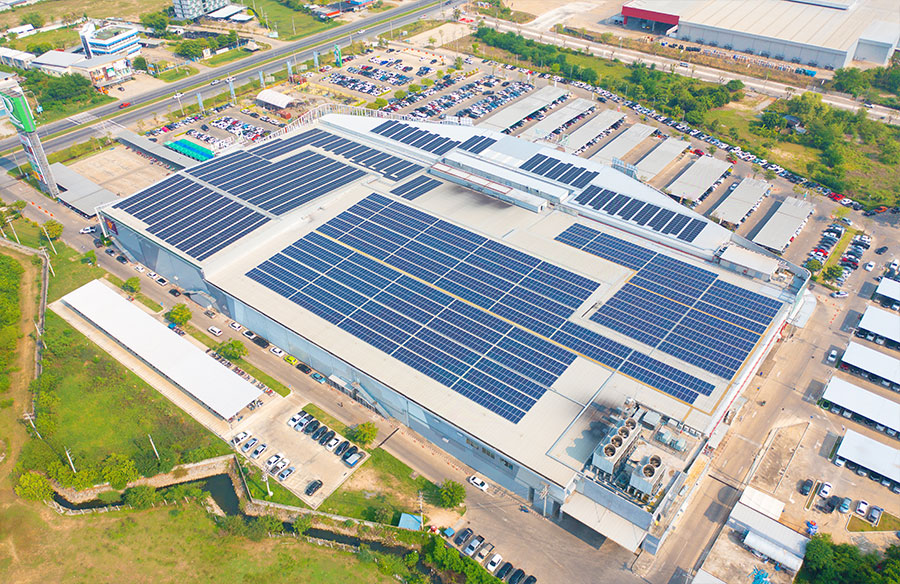
- Rooftop solar farms – Corporate campuses install solar panels on rooftops to power operations.
- Solar-shaded parking lots – Shopping centers and corporate offices use solar canopies to provide shade while generating power.
Solar-Powered Public Spaces
Urban planners are incorporating solar into parks, streets, and transportation hubs.
Solar Innovations in Public Spaces
- Solar streetlights – Cities like Houston and Dallas are replacing traditional lighting with self-sustaining solar-powered streetlights.
- EV charging stations – Texas highways now feature solar-powered electric vehicle charging stations.
- Solar bus stops – Public transit systems are installing solar-paneled bus shelters to improve energy efficiency.
These projects are reducing reliance on fossil fuels while making cities more resilient to power outages. Additionally, the benefits of renewable energy, such as lower operational costs and long-term sustainability, make solar integration an essential element of future urban planning.
3. The Role of Smart Technology in Solar Architecture
The rise of smart technology is making solar power more efficient and accessible.
Key Smart Solar Innovations
- AI-powered solar grids – AI predicts energy demand and optimizes solar output.
- Real-time energy monitoring – Homeowners can track solar production and consumption via mobile apps.
- Automated solar panel cleaning systems – Drones and self-cleaning coatings improve panel efficiency by keeping them free of dust and debris.
These technologies are boosting solar adoption across Texas, making it easier to integrate into everyday life.
4. Challenges and the Future of Solar Architecture in Texas
Despite rapid growth, Texas still faces obstacles in scaling solar-powered architecture.
Current Challenges
- Intermittency issues – Solar energy is weather-dependent, requiring better battery storage solutions.
- Grid limitations – Texas operates its own independent power grid, which struggles with balancing renewable energy.
- Upfront costs – While long-term savings are significant, initial installation costs remain a barrier for many homeowners and businesses.
The Future of Solar Architecture in Texas
- Widespread adoption of solar microgrids – Communities will develop independent solar-powered grids for energy resilience.
- More solar skyscrapers – Future office towers may be fully powered by PV glass.
- Legislation supporting solar expansion – Texas lawmakers are considering policies that further promote renewable energy adoption.
As technology improves and infrastructure catches up, solar will become a standard feature in Texas architecture rather than an optional upgrade.
Conclusion
Texas is experiencing a solar revolution, and it’s transforming the way buildings are designed. From solar-integrated homes to energy-producing skyscrapers, architecture is evolving to maximize the potential of renewable energy.
Key takeaways:
- Texas is a national leader in solar energy, with record-breaking installations.
- Solar panels are becoming an integral part of residential, commercial, and public architecture.
- Smart technology is enhancing solar efficiency, making it more accessible.
- Despite challenges, the future of solar-powered architecture in Texas looks brighter than ever.
As solar continues to shape the built environment, Texas could soon become the blueprint for sustainable architecture nationwide.