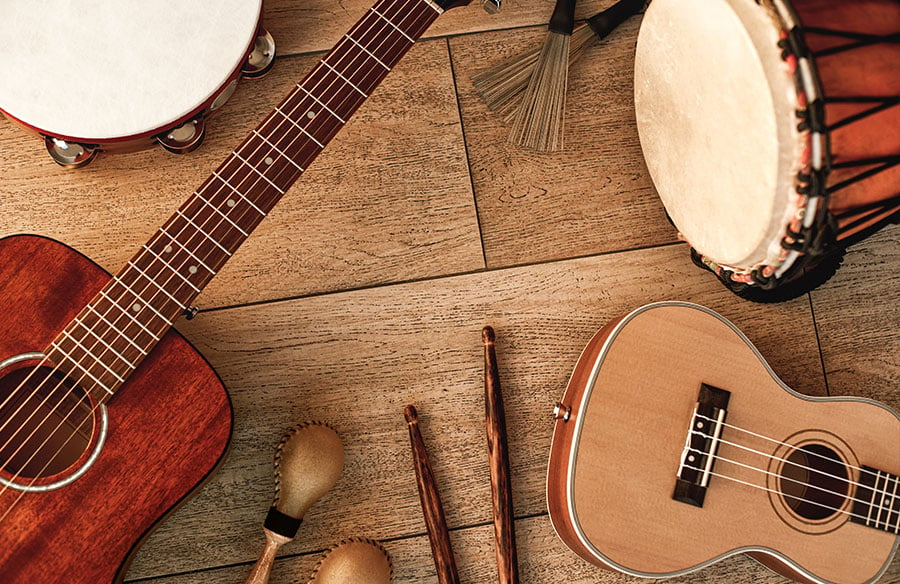
Music evolves, but instruments never fade. We might get new sounds from innovative tech, or unexpected pairings, but their core remains the same. Traditional instruments have shaped modern music in ways most people don’t even realize.
You may not be acquainted with some of them, but their presence is actually everywhere. You’ll see them in massive festival stages and even in cozy acoustic sessions.
Here are some of these instruments from forgotten times, yet they are still making waves in today’s music scene.
The Sitar
The sitar has been around for centuries. Originally from India, the instrument was meant for classical ragas. However, its hypnotic sound unexpectedly blended well with rock and jazz. It also found a home in electronic music.
Music legend George Harrison of The Beatles helped introduce the sitar to the West in the 60s. The reason behind it is its dreamy appeal. Moreover, its twangy resonance is so soporific that it became a psychedelic rock staple.
Today, artists blend the sitar with everything. You’ll hear it in lo-fi beats and even experimental fusion tracks. It brings a unique depth that only a few other string instruments can match.
The Didgeridoo
Indigenous Australians have used the didgeridoo since the ancient times. This instrument emits a deep, distinct sound. The droning and rhythmic effect emits a meditative and primal vibe you can’t hear from any other instruments.
Traditionally, it was used in ceremonial music. Indigenous people also used it for storytelling. Now, it’s making appearances in electronic tracks and ambient soundscapes. Didgeridoo sounds even touched hip-hop!
Some beatboxers integrate the didgeridoo into their performances. As a result, the mesmerizing rhythm feels old and new at the same time.
Djembes
Hand drums have been at the core of music for centuries. In this category, the djembe is one of the most well-known. This West African instrument has a deep bass, ringing tones, and sharp slaps that create a sound full of life.
Modern drummers and producers use djembes for different music genres Even EDM tracks feature them. Their organic tone brings warmth to digital-heavy music. Many live bands add djembes to their percussion setups for more dynamic beats.
The Koto
The koto is Japan’s national instrument. Traditionally, old Japanese natives use it in court music. Like the biwa, they play it delicately with finger picks. The sound is deeply expressive.
Recently, producers have tested koto melodies for hip-hop and R&B. Its distinct plucking surprisingly compliments modern beats. Some artists use electric versions of the instrument for a bolder effect and the result is a fusion of tradition and innovation that truly stands out.
The Balafon
The balafon is a traditional West African instrument. It’s is an ancestor of the modern xylophone. The balafon is made of wooden bars placed over gourd resonators. The tone it produces is warm and percussive.
You can hear balafon-like sounds in jazz, funk, and even indie rock. The instrument’s bouncy, melodic rhythm adds a playful texture that synthetic sounds just can’t replicate. Many modern musicians layer balafon samples into their beats for an earthy, organic feel.
The Oud
The oud is the Middle Eastern grandparent of the modern guitar. The sound that comes from its deep body and fretless neck is so resonant that it suits emotional tracks.
Musicians across multiple genres use the oud to bring something unique to their music. Its haunting sound blends beautifully with modern arrangements. Some experimental rock and metal bands even incorporate the oud for its raw, ancient feel.