In a world where global communication drives innovation and collaboration, the ability to translate languages seamlessly is more crucial than ever. Whether you’re a business expanding into international markets, a student accessing academic resources in another language, or a traveler navigating foreign cultures, an AI translator can be your most valuable tool.
With so many options available, choosing the right platform can be overwhelming. Each tool offers unique features tailored to different needs—whether it’s translating documents, images, or engaging in real-time conversations. In this article, we’ll explore seven of the best AI translators currently available, comparing their strengths and weaknesses to help you find the perfect fit for your needs.
1. Lufe.ai Translator
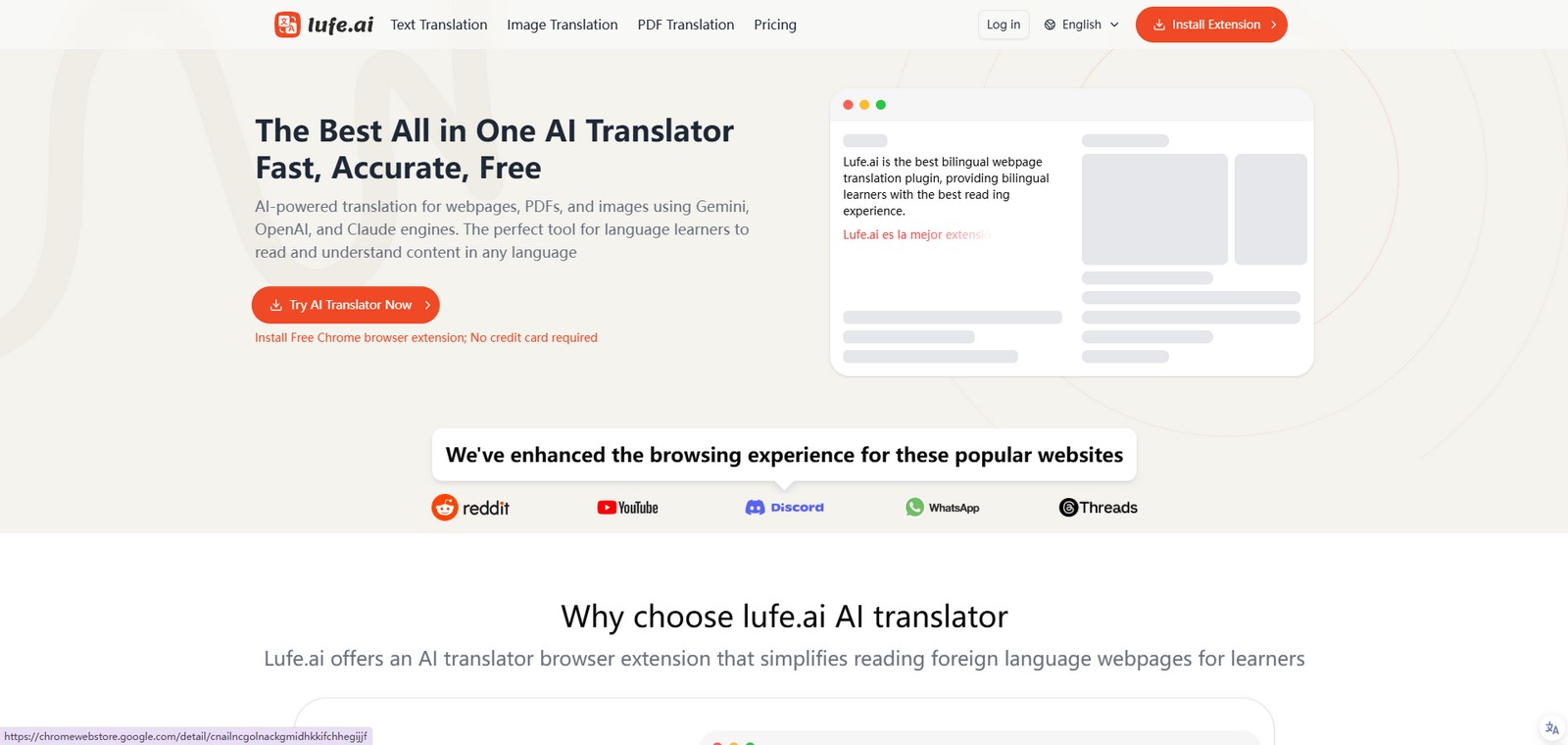 Lufe.ai is a rising star in the AI translator space, combining cutting-edge technology with a focus on versatility and user experience. It’s designed to cater to a wide range of users, from casual translators to professionals handling specialized content.
Key Features:
- Contextual Accuracy: Lufe.ai excels at understanding the meaning of text, ensuring translations are accurate and nuanced.
- Real-Time Communication: Perfect for multilingual meetings or conversations.
- Customizable AI Models: Tailor the translator to specific industries like medicine, law, or technology.
- Data Security: All translations are encrypted, making it a reliable choice for sensitive information.
- Multi-Device Compatibility: Seamless functionality across desktops, tablets, and smartphones.
Best For:
Lufe.ai is ideal for businesses, educators, researchers, and anyone who needs a balance of accuracy, security, and customization. Its ability to adapt to industry-specific needs makes it a standout choice for professionals.
2. Sider.ai Text Translator
 Sider.ai’s text translator is designed for quick and accurate translations, making it ideal for professionals who need to convert business documents, reports, or emails into multiple languages.
Key Features:
- Supports a wide range of languages.
- Offers fast translations with decent accuracy.
- Easy-to-use interface for both casual and professional users.
Best For:
Sider.ai excels in translating straightforward text but may struggle with complex contexts or industry-specific jargon. It’s perfect for users who need quick, no-frills translations.
3. OpenL Translator
 OpenL is a clean and efficient AI translator that delivers solid performance for basic translation needs. Although it lacks advanced features, it’s a reliable choice for users looking for simplicity.
Key Features:
- High-speed translations with reasonable accuracy.
- Simple interface, great for beginners.
- Limited customization options for specialized fields.
Best For:
OpenL is ideal for casual users or small businesses with basic translation needs. However, it may not be the best choice for users requiring advanced features like real-time communication or document localization.
4. Wordvice.ai Translator
 Wordvice.ai is a robust AI-powered translator that focuses on high-quality translations for professionals and academics. It’s especially popular among researchers and writers who require precise translations for technical or academic content.
Key Features:
- Advanced contextual understanding for technical and academic texts.
- User-friendly design with additional editing tools.
- Focuses on maintaining the tone and intent of the original text.
Best For:
This platform is ideal for students, researchers, and professionals who need accuracy and nuance in their translations. However, it lacks some real-time communication features that other platforms offer.
5. Google Translate
 Google Translate is one of the most widely used translation tools, offering a broad range of features and supporting an extensive number of languages.
Key Features:
- Real-time translation for text, speech, and images.
- Large language database with global reach.
- Free to use.
Best For:
Google Translate is a good all-around tool for casual users and travelers. However, its translations often lack the nuance required for professional or technical use.
6. DeepL Translator
 DeepL is renowned for its exceptional accuracy and natural-sounding translations. It’s particularly strong in European languages and is often the go-to choice for professionals and businesses.
Key Features:
- Superior contextual understanding for nuanced translations.
- Supports document translation with formatting preservation.
- Paid plans offer advanced features for businesses.
Best For:
DeepL is perfect for professionals, businesses, and anyone who values high-quality, accurate translations. However, its free version has limitations, and it may not support as many languages as Google Translate.
Choosing the Right AI Translator
Selecting the right AI translator depends on your specific needs. Are you looking for quick, casual translations? Or do you need a professional-grade tool for complex or industry-specific content?
For casual users, tools like Google Translate or Sider.ai offer convenience and accessibility. On the other hand, professionals and businesses might prefer more advanced platforms like DeepL, Wordvice.ai, or Lufe.ai, which offer features tailored to specialized fields and sensitive data.
The Rising Role of Lufe.ai
While established platforms like Google Translate and DeepL dominate the market, newer players like Lufe.ai are quietly redefining the standards for AI translation. With its focus on accuracy, adaptability, and security, Lufe.ai is quickly gaining traction among users who demand more than just basic translations.
Whether you’re localizing a website, translating technical documents, or engaging in live multilingual conversations, Lufe.ai offers a comprehensive solution that balances innovation with reliability.
Final Thoughts
The rise of AI translators has revolutionized global communication, making it easier than ever to connect across languages and cultures. Each of the tools mentioned here offers unique features designed to meet different needs, from casual conversations to professional-grade translations.
When choosing an AI translator, consider factors like accuracy, scalability, and ease of use. And don’t overlook emerging platforms like Lufe.ai, which are pushing the boundaries of what AI translation can achieve.
No matter your goals—whether it’s expanding into international markets, collaborating with global teams, or simply exploring the world—an AI translator can be your gateway to seamless communication.