
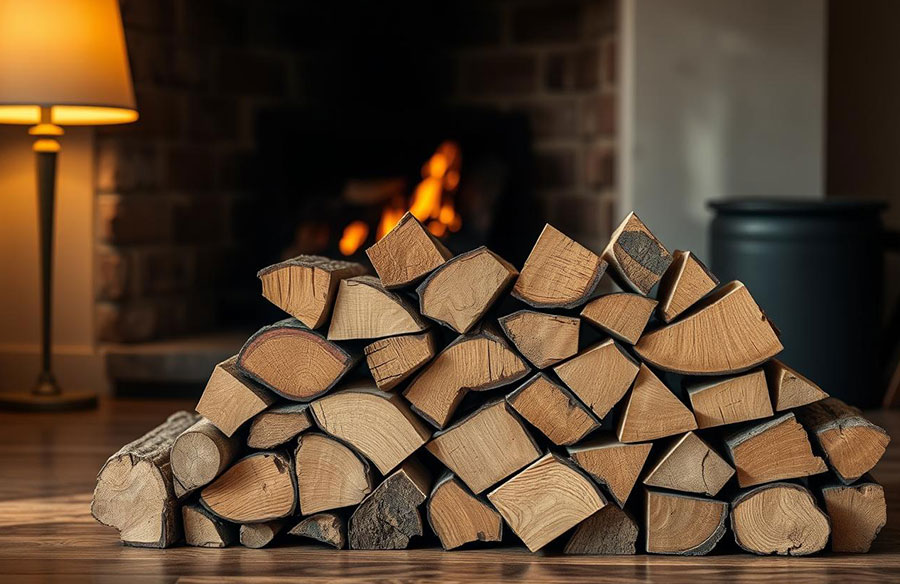
Homeowners looking for a better heating option are finding compressed wood logs. They are a smart, green alternative to traditional firewood. These logs are changing how we warm our homes and care for the environment.
Compressed wood logs are a top-notch heating solution. They burn better than regular firewood and help cut down on carbon emissions. They keep your home warm while being kind to the planet.
More people want heating that’s good for the earth and easy to use. Compressed wood logs fit the bill. They burn clean, consistently, and use less waste than traditional firewood.
The making of compressed wood logs turns wood scraps into dense fuel blocks. These blocks burn longer, give off more heat, and leave less ash behind. It’s a smart way to heat your home.
Compressed wood logs are great for anyone who wants to heat their home smartly. They’re perfect for homeowners, outdoor lovers, and anyone who cares about the planet.
Understanding Compressed Wood Logs and Their Benefits
Compressed wood logs are a new, eco-friendly heating option. They are made from recycled wood and are a sustainable choice. This makes them popular among homeowners and outdoor lovers.
These logs offer more than just being green. They burn efficiently because of their low moisture content. This means they heat up your space better and cleaner than regular firewood.
Using compressed wood logs is good for the planet. They last longer and give off more heat, saving energy. They also take up less space and leave behind less ash.
Outdoor fans and campers love these logs too. They burn well, are easy to use, and work great in fire pits and portable heaters. They provide steady heat wherever you are outside.
Choosing compressed wood logs is a wise choice. They offer great performance, are easy to use, and are good for the environment. They are a big step forward in using wood for heating in a sustainable way.
The Manufacturing Process Behind Compressed Wood Products
Compressed wood manufacturing turns wood waste into fuel through a recycling process. Timber industry workers gather sawdust, wood chips, and other leftover materials from various places. These materials become key in making biomass fuel.
The process starts with sorting and cleaning the wood waste. Machines break down the wood into uniform sizes. Then, industrial compressors press and heat the wood particles into dense logs. This method makes a green alternative to regular firewood.
No extra chemicals are needed in this process. The wood’s natural lignin acts as glue, holding the logs together. This approach keeps the logs dense with energy and cuts down on waste.
Recycling wood waste is key in making these products. It turns materials that would be thrown away into a green fuel source. The compressed wood logs offer a good way to heat homes while being kind to the planet.
Energy Efficiency and Heat Output Comparison
Compressed wood logs have changed home heating for the better. They offer a powerful and efficient way to heat your home. These logs burn more evenly and consistently than traditional firewood.
Compressed logs burn hotter and longer than regular firewood. They have a higher BTU value, ranging from 8,000 to 12,000 BTUs per pound. This means you get more heat with less fuel, saving money and being kinder to the environment.
The way compressed wood logs are made keeps them dry. This is important because wet firewood doesn’t burn as well. Compressed logs stay dry, burning cleaner and more efficiently, and they don’t clog chimneys as much.
Using compressed wood logs also makes heating your home easier. They burn longer and at more consistent temperatures. This means you don’t have to constantly add more wood or adjust the fire. They’re a smart choice for both indoor and outdoor heating needs.
Storage and Handling Benefits of Compressed Wood Logs
Storing compressed wood logs is a smart move for homeowners. These logs save space compared to regular firewood. They stack neatly, making the most of your storage space in garages, sheds, or outdoors.
Compressed wood logs are easy to handle. Their uniform shape and size make them simple to move and stack. Unlike chopped wood, they don’t create mess or clutter. This means your storage space stays tidy and organized.
Compressed wood logs are great for saving space. They fit more fuel in smaller areas, ideal for city homes or tight storage spots. Their uniform design allows for tight stacking, reducing the space needed for fuel storage. This is a big plus for outdoor lovers and campers who need to pack efficiently.
Another benefit is their moisture resistance. The logs’ dense nature prevents water absorption, keeping your fuel dry. This makes them perfect for storing in various environments.
Environmental Impact and Carbon Footprint
Compressed wood logs are a great choice for those who care about the environment. They cut down on carbon emissions a lot compared to regular firewood. This eco-friendly option uses wood waste, helping to protect forests.
Using compressed wood logs for heating is good for the planet. They come from forests that are managed well, so they don’t harm nature. These logs burn cleaner and more evenly than traditional firewood.
Compressed wood logs are good for the environment when used right. They use wood scraps that would otherwise be thrown away. This means less waste and fewer emissions, helping to reduce carbon footprint.
Technology keeps improving, making wood fuel options better for the planet. Choosing compressed wood logs helps cut down on carbon emissions. It also gives a reliable and efficient way to heat homes.
Best Practices for Burning Compressed Wood Logs
Learning to burn compressed logs well involves a few important steps. First, choose high-quality logs made for maximum heat. These logs have consistent density and moisture, leading to a better burn.
To get the most heat, arrange the logs right in your fireplace or stove. Start with a base layer for good airflow. Leave small gaps between logs for oxygen to flow. This method helps burn wood more efficiently, using less fuel.
Keeping the temperature right is key when burning these logs. Aim for a steady, moderate heat, not quick, intense flames. Use a thermometer to check and adjust the fire’s temperature. Experts say to keep it between 400-600 degrees Fahrenheit for best results.
Good airflow is also essential for burning efficiently. Make sure your stove or fireplace has clean vents and a well-kept chimney. Proper airflow helps logs burn fully, cutting down on waste and boosting heat. Clean your burning area often to stay efficient.
By sticking to these tips, you can make burning compressed wood logs a better, more fun way to heat your space. Remember, it’s all about patience, preparation, and knowing how these special logs work.
Cost Analysis: Traditional Firewood vs Compressed Logs
Knowing how much your heating choices cost is key for homeowners. Compressed wood log prices have dropped a lot lately. When you look at firewood costs, compressed logs are a better deal in the long run.
Traditional firewood costs a lot upfront. Buying, storing, and preparing it is hard work and pricey. Compressed wood logs are cheaper and burn better, giving you more bang for your buck.
A cord of traditional firewood can cost $200-$400, depending on where you live. Compressed wood logs, on the other hand, are sold in smaller bundles for $5-$15. They burn longer and give more heat for your money.
Choosing compressed wood logs is smart for several reasons. They make less ash, need less storage space, and heat more evenly. This means you save on fuel and less upkeep compared to old wood-burning methods.
When you add up all the costs, compressed logs are a better choice. They burn cleaner, need less chimney care, and are better for the environment. These benefits save you money over time, especially if you’re watching your budget.
Seasonal Usage and Weather Considerations
Compressed wood logs are great for those who use wood fuel all year. They work well in any weather, making them perfect for outdoor activities. Whether it’s a summer camping trip or a winter bonfire, these logs meet your needs.
All-weather firewood is reliable in tough conditions. Campers love them because they’re dry and light up easily, even when it’s damp. Their small size makes them easy to store and carry, great for any outdoor adventure.
Winter users will find these logs especially useful. They burn well even when it’s cold. Outdoor lovers can depend on them for warmth on chilly nights, whether at a campsite or a backyard fire pit.
Seasonal changes don’t have to limit your wood fuel choices anymore. Compressed wood logs work well from summer beach bonfires to winter cabin retreats. Their consistent quality and ease of use make them a favorite for a dependable fuel source all year.
Choosing the Right Compressed Wood Logs for Your Needs
Choosing the right wood fuel is key. Homeowners have many options for compressed wood logs. Each type burns differently and performs at various levels.
There are mainly two types: hardwood and softwood logs. Hardwood logs burn longer and more evenly. Softwood logs, on the other hand, light up fast and heat up quickly. Your home’s heating needs will guide your choice.
Consider heat output, moisture, and density when picking logs. Hardwood logs are denser, meaning they burn longer and heat more efficiently. Softwood logs are better for quick warmth or starting fires.
Experts say to think about your heating needs first. The size of your fireplace, room size, and local weather are important. They help pick the best logs for your space.
Wood fuel quality is also crucial. Look for certified logs with low moisture and consistent size. These ensure better burning, less smoke, and more heat.
Safety Features and Certifications
Compressed wood logs are safer than regular firewood. They go through strict quality checks. This ensures they burn well and are low-emission.
Using certified wood fuel makes homeowners feel secure. It cuts down on smoke and burning issues. This means better performance and less harm to the environment.
Safety certifications are key for compressed wood logs. Good brands get tested by third parties. This proves they have low creosote and emissions.
Compressed wood logs are safer than traditional firewood. They make less ash and spark less. They also burn evenly, giving consistent heat.
When picking compressed wood logs, look for safety certifications. These show the wood is made well and is safe for the environment.
Conclusion
Compressed wood logs are a big change for eco-friendly firewood. They are perfect for those who want to heat their homes in a green way. Brands like Lekto Wood Fuels offer wood that is both compact and high-performance.
These logs are not just easy to use. They also save energy, reduce harm to the environment, and cut down on costs. They burn cleaner, give steady heat, and are easy to store. This makes heating your home simpler.
Choosing compressed wood logs is smart and green. It supports forests, cuts down on carbon, and fits today’s green standards. It’s a choice that’s good for the planet and for you.
As energy prices go up and we care more about the planet, compressed wood logs are a smart choice. They work well in any home, from cozy cabins to fireplaces. They offer a reliable, green, and efficient way to heat your home.