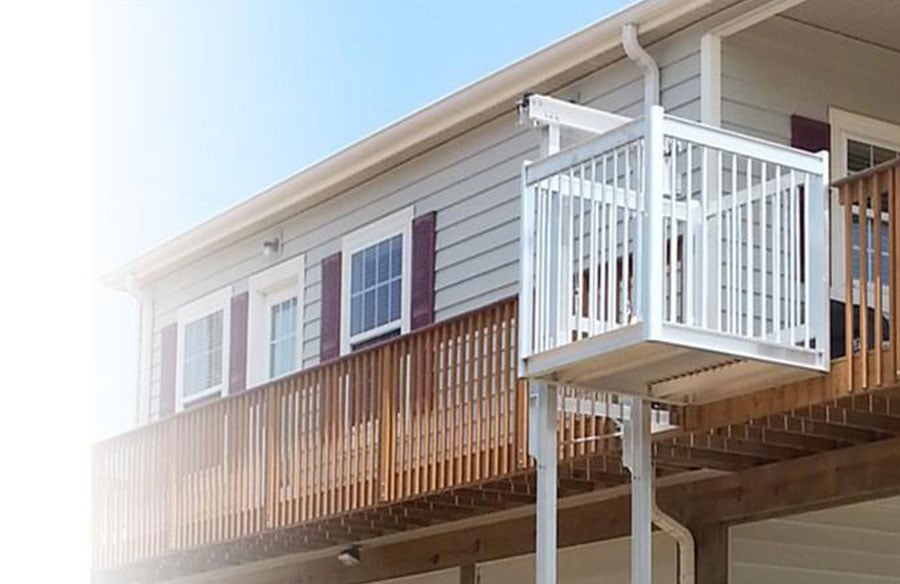
Owning a beach house comes with its perks, breathtaking views, ocean breezes, and endless relaxation. However, hauling heavy items like groceries, luggage, and patio furniture up multiple floors can quickly turn that paradise into a workout. That’s where a cargo lift comes in. Galaxy Lifts, a leading provider of durable and weather-resistant cargo lifts, offers high-quality solutions designed to make beachside living easier and more convenient. But with so many options available, how do you choose the right lift for your home? Let’s dive into the key factors to consider.
1. Determine Your Weight and Size Requirements
Cargo lifts come in various weight capacities, typically ranging from 200 lbs to over 1,000 lbs. Start by evaluating what you’ll be transporting most often, groceries, luggage, beach gear, furniture, or even building materials for renovations.
- For light loads (e.g., groceries, small packages): A 200-300 lb lift may be enough.
- For medium loads (e.g., coolers, patio furniture, larger supplies): A 400-600 lb lift is a versatile option.
- For heavy-duty needs (e.g., large furniture, heavy tools, bulk supplies): Opt for a 700-1,000+ lb capacity lift.
Tip: Always think long-term. If you plan to renovate, rent out your beach house, or host large gatherings, you might need a higher-capacity lift later on.
2. Prioritize Weather Resistance and Durability
Coastal environments are tough on materials. Salt air, humidity, and strong winds can cause rust, corrosion, and mechanical breakdowns if your lift isn’t built to withstand the elements.
Look for:
- Marine-grade aluminum or galvanized steel for corrosion resistance.
- Powder-coated finishes to provide extra protection against rust and wear.
- Stainless steel hardware for added longevity.
- Sealed motors and electrical components to prevent water damage.
Tip: Regularly rinse the lift with fresh water to minimize salt buildup, especially if you’re in a high-exposure area.
3. Evaluate Safety Features
A cargo lift should make your life easier, and safer. Prioritize models with essential safety features like:
- Automatic braking systems to stop the lift immediately if something goes wrong.
- Limit switches to ensure the platform stops at the right height every time.
- Anti-slip platforms for better load stability.
- Overload protection to prevent the motor from burning out under heavy loads.
- Emergency stop controls to halt the lift if needed.
Tip: Look for a lift that complies with ASME safety standards or local building codes to ensure maximum safety and reliability.
4. Choose the Right Mounting Style
Your beach house layout determines the type of cargo lift installation that will work best.
- Wall-mounted lifts: Installed on the side of your house, great for narrow spaces or decks with limited room.
- Free-standing lifts: Built on their own frame next to your home, ideal for flexible placement and minimal exterior modifications.
- Under-deck lifts: A more discreet option that hides the lift system beneath your deck.
Tip: Consider where you’ll unload items most frequently (e.g., near the kitchen, storage areas, or deck) for maximum convenience.
5. Think About Ease of Use
A cargo lift should simplify your day-to-day routine. The more user-friendly the controls, the better the experience.
- Wireless remote controls: Start the lift without standing next to it.
- Push-button panels: Mounted on different levels for easy operation.
- Soft start/stop motors: Ensures smooth, quiet operation without jerky movements.
- Self-leveling technology: Keeps your platform stable even with uneven loads.
Tip: Look for lifts with battery backup systems so you’re not stuck hauling groceries manually during power outages, a common issue in storm-prone beach areas.
6. Factor in Installation and Maintenance
Cargo lifts are an investment, so make sure you consider installation and upkeep.
- Professional installation: Guarantees the lift is secure and operates smoothly. Some companies, like Galaxy Lifts, offer installation services tailored to beach house structures.
- DIY-friendly models: If you’re handy, some lifts come with detailed instructions for self-installation.
- Maintenance-friendly design: Sealed motors, stainless steel cables, and accessible components make cleaning and maintenance simpler.
Tip: Annual maintenance checks on the motor, cables, pulleys, and safety features ensure long-term reliability.
7. Consider Aesthetic and Space-Saving Designs
Your beach house is not only functional but also a retreat, so why not choose a cargo lift that blends seamlessly with your home’s style?
- Custom color options to match your home’s exterior.
- Compact models for smaller decks or tighter spaces.
- Enclosed lifts for a clean, polished look.
Tip: If aesthetics matter to you, consult with your installer on custom designs that integrate with your home’s architecture.
8. Budget Wisely
Cargo lifts range from $3,000 to $10,000+, depending on size, capacity, materials, and features. Factor in:
- Installation costs (professional vs. DIY).
- Customization options (colors, sizes, enclosures).
- Warranty and support services — longer warranties offer more peace of mind.
Tip: Don’t skimp on quality to save a few bucks. A reliable, weather-resistant lift saves you from costly repairs and replacements later on.
Final Thoughts
A cargo lift isn’t just a convenience, it’s a game-changer for beach house living. Whether you’re hauling groceries, luggage, beach gear, or even heavy furniture, a well-chosen lift makes your life safer, easier, and more enjoyable.
By considering weight capacity, weather durability, safety features, mounting style, ease of use, maintenance, aesthetics, and budget, you’ll find the perfect fit for your beach house.
For a reliable, weather-resistant solution tailored to coastal living, Galaxy Lifts offers a range of high-quality, user-friendly cargo lifts to meet your needs, so you can spend less time hauling and more time relaxing by the waves.
Frequently Asked Questions
1. How long does it take to install a cargo lift?
Most professional installations take 1-2 days, depending on the complexity and mounting style. DIY setups may take longer, especially if structural modifications are needed.
2. How much weight can a beach house cargo lift hold?
Cargo lifts typically range from 200 lbs to over 1,000 lbs capacity. Choose based on your regular load sizes, groceries, luggage, furniture, or even kayaks.
3. Can a cargo lift handle high winds and salt air?
Yes — if you choose the right materials. Marine-grade aluminum, galvanized steel, powder coating, and stainless steel hardware are designed to resist rust, corrosion, and weather damage.
4. How often does a cargo lift need maintenance?
Annual maintenance is recommended. Check the motor, cables, pulleys, and safety features to ensure everything runs smoothly. In coastal environments, rinsing off salt buildup regularly also helps.
5. Can I install a cargo lift myself?
Many models are DIY-friendly with step-by-step instructions. However, for safety and durability, professional installation is recommended — especially for high-capacity or multi-story setups.
6. Is a cargo lift safe for pets or people?
Cargo lifts are designed only for items, not passengers. For safety reasons, never allow pets or people to ride the lift.