Communication has been the core of every interaction, shaping how people and businesses interact. From ancient cave paintings to modern and instant communication, the role of technology in the evolution of communication is evident. With the rise of interactive tools, communication has become easier than ever. From the workplace to education, modern communication is making strides.
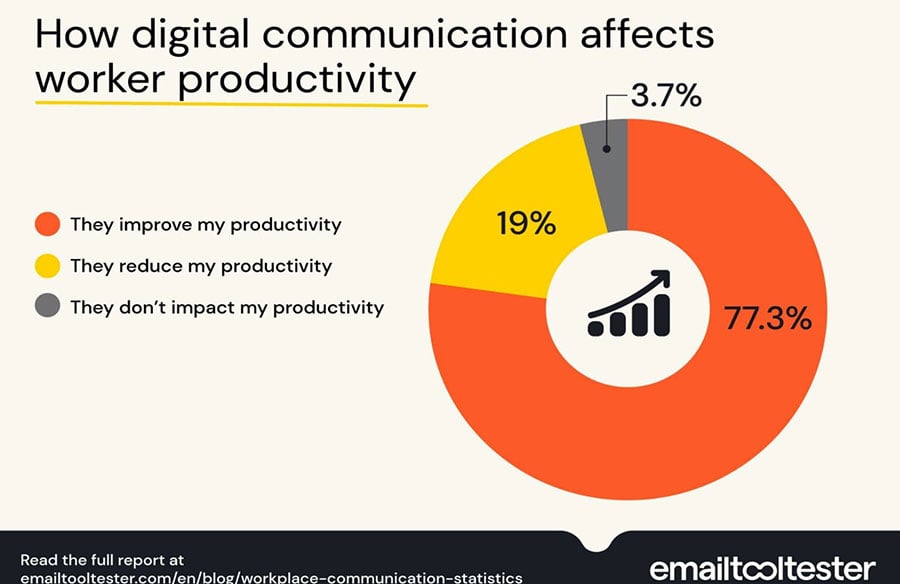
For example, smart boards with AI, AR, and VR technology have improved the elearning process, making it easier for students and individuals to communicate faster. Also, digital communication has improved workforce productivity.
To stay ahead in this technological change, let’s explore how technology has transformed communication over the years and what future it holds in 2025.
The Journey from Ancient to Modern Communication
The journey of communication has gone through several technological advancements over the years. It all started with cave paintings, symbols, and smoke signals that were the core mode of transferring information.
As time grew, people started using pigeons and human messengers to deliver the right information across distances. Then it moved to writing and sending postcards with effective postal services still in use. But, it comes with the limitations of speed and geographical barriers, as it takes time for global deliveries. This is why we moved to another mode of communication for better speed.
The introduction of paper and Gutenberg’s printing press in the 15th century made knowledge more accessible. The 19th and 20th centuries saw rapid progress with the
- Telegraph enabling long-distance messaging
- The telephone made real-time voice communication possible
- Radio, television, newspapers, books, and printed media bring mass communication to life, revolutionizing the communication industry.
- With the rise of digital formats, communication has gone faster and better, leading to the foundation of digital communication.
Each innovation not only improved how we connect but also shaped the way society functions today. But, that’s not it. With the rise of modern and digital methods, technologies like email, cloud-based tools, and social media platforms, the communication industry has taken a swift turn, making it global and accessible within seconds.
So, how does the digital and internet revolution take communication to another level? Let’s take a look.
Digital Revolution and the Internet Age
The digital revolution improved human communication, making interactions faster, more accessible, and more dynamic. It started with the invention of computers and the development of the internet, followed by amazing inventions.
1. The Internet (1960s–Present): The Backbone of Modern Communication
The Internet was originally developed for military and academic purposes. In the late 20th century, it became public to the people, improving the way we interact. Before this, information sharing was slow as it relied on physical mail, newspapers, and landline phones. With the internet:
- Information could be shared instantly across borders within seconds.
- A global network was established that breaks down barriers of distance and language.
- Lead to new forms of media, including online news, blogs, and multimedia content, revolutionizing journalism and entertainment.
Today, the internet powers everything from education to e-commerce, allowing efficient communication that bridges traditional gaps.
2. Email and Instant Messaging: The End of Postal Delays
Earlier, letters and telegrams were the way of long-distance written communication, that took days or weeks to reach their recipients. But, the advent of email (electronic mail) in the 1970s, changed everything.
- Emails are the go-to for professional and personal communication, improving speed and efficiency. About 77% of people prefer it for better productivity.
 Instant messaging- apps like WhatsApp, Facebook Messenger, and Telegram offer real-time communication. It allows users to send voice messages, GIFs, and stickers.
However, email communication has become modern. Today, various tools are available to automate, create, and schedule emails to save time and effort.
3. Social Media- Empowering Global Connection
In the early 2000s, social media platforms gained immense popularity, especially with the rise of platforms like Facebook, Twitter, Instagram, LinkedIn, and Snapchat. These platforms not only helped individuals to network but also helped businesses to reach global audiences, improving global communication.
- Personal connections became borderless.
- Businesses and Brands could engage with customers, launch products, and provide instant customer support.
- News and activism took a new shape with Real-time updates and viral movements, demonstrating how social media could drive societal change.
4. Smartphones: Communication in Your Pocket
Smartphones have been a complete game-changer in the communication industry, allowing people to connect globally. The first smartphones, like BlackBerry and Nokia, introduced mobile email and internet browsing. Also, Apple’s iPhone (2007) introduced a touchscreen interface and an advanced app ecosystem. What changed?
- Instant calls, texts, and internet access.
- Social media access and messaging on the go.
- Video calling facility with apps like Skype, FaceTime, and Zoom.
Today, there are more than 6.3 billion smartphone users globally. Thus, businesses launch various apps to target this audience segment and communicate about their brands.
5. Cloud Computing
Almost 80% of businesses have migrated to the cloud or are planning to migrate in 2025. Cloud migration has improved the way businesses interact amid remote working culture. It has boosted collaboration via various cloud-based tools like Google docs that let users work simultaneously on the same doc. With new technologies like AI, ML, and IoT, cloud computing offers advanced services. If you are thinking of moving to the cloud, it is the time.
Today, communication has improved with the rise of interactive video platforms that allow users to engage in real-time and experience content more dynamically.
Let’s understand how Interactive video platforms are making strides in communication.
The Role of Interactive Video Platforms in Modern Communication
Interactive video platforms are improving industries from education, and healthcare, to entertainment. These digital solutions engage users with video content that goes beyond just watching content. These platforms integrate features like
- Live chat
- Polls
- Quizzes
- Clickable elements
- Virtual reactions, and
- Real-time collaboration for more immersive communication.
Importance of Interactive Video Platforms-
- Enhanced Engagement
- Real-Time Interaction
- Personalization
Elearning platforms like Duolingo help students and employees to learn with engaging content for better learning experiences.
The role of interactive video platforms is widening, transforming many industries.
Use Cases: How Different Sectors Benefit from Interactive Video Platforms
Here are some top industries empowered by interactive video platforms.
1. Business & Corporate Communication
With the rise of remote work and cloud-based services, businesses have adopted a hybrid working model. Thus, they need advanced and real-time interactive platforms that help them connect face-to-face.
- Virtual Meetings- Businesses use platforms like Zoom, Microsoft Teams, and Hopin for real-time collaboration, breakout rooms, and live Q&As.
- Hybrid Events & Conferences– Businesses can host large-scale online events to interact, network, and participate in discussions.
- Interactive Sales Pitches & Product Demos– interactive video tools help to showcase products dynamically and answer customer queries in real time.
2. Education: Virtual Classrooms & Online Learning
The education industry is the best example here. Interactive video classes have changed the way of learning not only for students but also for workplace pieces of training.
- Immersive Learning Experiences– Platforms like Kahoot, Nearpod, and ClassIn use quizzes, polls, and gamification to keep students engaged.
- Interactive Whiteboards– Teachers can share documents, conduct polls, and allow students to annotate live.
- Personalized Learning Journeys– AI-powered interactive videos can adjust content based on student responses and learning pace.
3. Healthcare: Telemedicine & Remote Consultations
The healthcare industry has evolved drastically in the last few years but for good. With technological advancements, remote and telemedicine have become possible. People can opt for the best possible treatment and consultation with quick video platforms, making healthcare accessible across borders. Today, doctor-patient communication has become more personalized and interactive, offering healthcare opportunities.
- Live Video Consultations with Doctors make interactive patient-doctor discussions with real-time symptom tracking.
- Medical Training & Simulations– with AR-driven video tools, medical hands-on virtual training offers better learning experiences.
- Patient Engagement & Follow-Ups– Doctors can use interactive videos to guide patients through post-treatment care routines.
4. Entertainment & Social Media
Netflix is the perfect example of how video interactive platforms are changing the entertainment industry. It has introduced many features that allow users to interact with the content to improve their viewing experience.
- Live Q&As & Fan Engagement
- Interactive Advertising
- Personalized viewing experiences
The latest trends are reshaping the communication industry. Let us see how.
The Future of Communication
The communication industry has a promising future with various technologies playing a pivotal role.
1. Role of AI in Communication
AI is empowering communication, making it advanced and accessible for all. For example-
- AI-Powered Chatbots & Virtual Assistants offer real-time interaction, answering queries within live video streams.
- AI can automate Video Summarization by analyzing long videos and providing key takeaways.
- With AI-driven algorithms, businesses can provide personalized Engagement based on individual user preferences and behaviors.
2. The Role of AR/VR
AR/VR has let us into a new world where people can share and access information. It has changed the communication industry-
- Immersive and Virtual Meetings, where people can meet in a virtual space, represented as avatars.
- Augmented Product Demonstrations allow users to see a 3D model of a product while interacting with a live presenter.
Conclusion
Communication has evolved over the years. Technology has made communication faster, more accessible, and more efficient. From ancient symbols to instant video calls, communication has more opportunities to offer and improve interaction.
With the latest technology and trends, people are experiencing new and innovative ways to interact across borders, including interactive video platforms. These solutions have impacted many industries from healthcare to entertainment, offering real-time and instant learning experiences. We hope you understand how far we have come from mere letters to digital forms of communication, and we might have a long way to go.