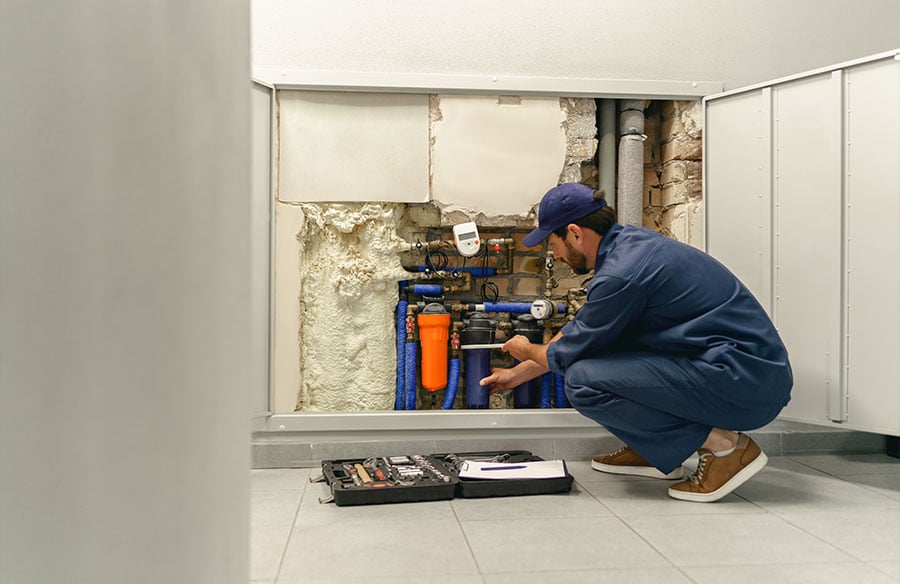
Toronto’s ever-changing climate can be unpredictable and affect home maintenance, especially plumbing. Frequent temperature changes and seasonal shifts can strain plumbing systems, leading to unexpected issues. Typically, scheduling plumbing maintenance once a year is recommended to guarantee efficient performance and catch potential problems early. This advice is especially useful for older homes or those with complex plumbing systems.
Professional Plumbers in Toronto suggest adapting maintenance schedules based on specific needs. Factors like the age of the plumbing, usage patterns, and seasonal impacts in Toronto should be considered. Regular checks by skilled experts can prevent significant issues down the line, providing homeowners with peace of mind. This proactive approach can help avoid costly repairs and maintain the system’s longevity.
Moreover, engaging with knowledgeable professionals can provide further insights into your home’s needs. They can address concerns that arise from the city’s unique climate conditions. Exploring local services can help residents avoid plumbing issues and maintain a smoothly running home year-round.
Understanding Toronto’s Climate and Its Impact on Plumbing
Toronto’s climate greatly influences the maintenance required for plumbing systems. Key factors include temperature variations, the amount of precipitation, and freeze-thaw cycles. These elements can affect pipe integrity, create a risk of leaks, and cause other plumbing issues.
Seasonal Temperature Variations and Plumbing
Toronto experiences a wide range of temperatures throughout the year, from hot summers to cold winters. These changes can impact plumbing systems in several ways. During the summer, high temperatures may cause pipes to expand. In contrast, winter brings cold that can lead pipes to contract. Expansion and contraction can stress joints and lead to leaks over time.
For homeowners, it is important to monitor these changes by checking for signs of wear or damage to the pipes. Regular inspections, especially before the winter season, can help detect potential issues early. Homeowners should be aware of temperature-resistant materials that might offer better performance and require less maintenance.
The Role of Precipitation in Plumbing Maintenance
The amount of rain and snow in Toronto impacts plumbing significantly. Heavy rainfall can lead to saturated ground, increasing pressure on underground pipes. This pressure can cause shifts or cracks. It’s important for homes to have proper drainage systems to prevent water from pooling and affecting the integrity of plumbing.
Snow can also add weight and moisture around plumbing systems. Properly installed gutters and downspouts can help manage excessive moisture and prevent water damage. Monitoring for water pooling around the property can prevent long-term damage.
Freeze-Thaw Cycles and Pipe Integrity
Toronto’s winter frequently features freeze-thaw cycles, where temperatures hover around freezing. During these cycles, water inside pipes can freeze and expand, potentially causing pipes to crack or burst. The thawing phase can further stress compromised pipes.
To manage these risks, insulation of pipes, especially those exposed to the elements, is important. Covering exposed pipes and knowing how to thaw frozen ones safely can prevent breaks. Awareness during quick temperature changes helps homeowners address potential issues before they cause significant damage. Regular checking in the fall can guarantee systems are prepared for winter.
Best Practices for Plumbing Maintenance Scheduling
Regular plumbing maintenance helps prevent costly repairs and guarantees a smooth-running system. Homeowners can keep their plumbing in good condition by understanding routine checks, preparing for seasonal changes, and knowing how to handle emergencies.
Routine Inspection and Maintenance Intervals
Regular checks are important for keeping plumbing systems running well. Most experts recommend scheduling maintenance at least once a year. This includes checking for leaks, inspecting water heaters, and guaranteeing drains are clear. Regular inspections help identify potential problems early, saving time and money in the long run.
Annual inspections are particularly important for older homes. Systems in these homes may have outdated materials that are more prone to problems. Plumbing maintenance should be done annually to maintain efficiency and prevent emergencies.
Preparing for Seasonal Changes
Toronto’s climate can be unpredictable, with cold winters and warm summers. Properly preparing plumbing systems for each season is important. In winter, pipes should be insulated to prevent freezing. Checking for drafts in basements and crawl spaces can prevent pipes from freezing and bursting.
In spring and summer, inspect for any damage caused by extreme weather. Heavy rain can lead to basement flooding, so checking sump pumps and drainage systems is a must. Clean gutters and downspouts regularly to prevent blockages that could affect plumbing.
Emergency Planning and Response
Despite preventive measures, plumbing emergencies can still occur. Having an emergency plan guarantees quick and efficient responses. Know where the main water shut-off valve is located and guarantee all household members know how to use it. This can significantly reduce water damage when leaks or bursts occur.
Keep a list of contacts for emergency plumbers handy. This saves time and stress in urgent situations. The ROI of a plumbing maintenance schedule can be substantial as waiting for problems to occur often leads to higher repair costs. Additionally, familiarizing oneself with basic plumbing repairs can enable quick fixes for minor issues, preventing them from escalating into major disasters.
Conclusion
Regular plumbing maintenance is an important task for homeowners in Toronto. The city’s fluctuating weather can impact plumbing systems, making periodic checks useful for preventing issues.
Performing inspections every 1 to 2 years can help catch potential problems early, reducing the chance of costly repairs later. More frequent checks might be needed in places with harsh conditions or older systems. Skilled plumbing professionals can assess and address specific needs.
By keeping up with routine maintenance, plumbing systems can function smoothly, even when the weather changes unexpectedly. Following these steps often helps avoid major disruptions and maintain home comfort.