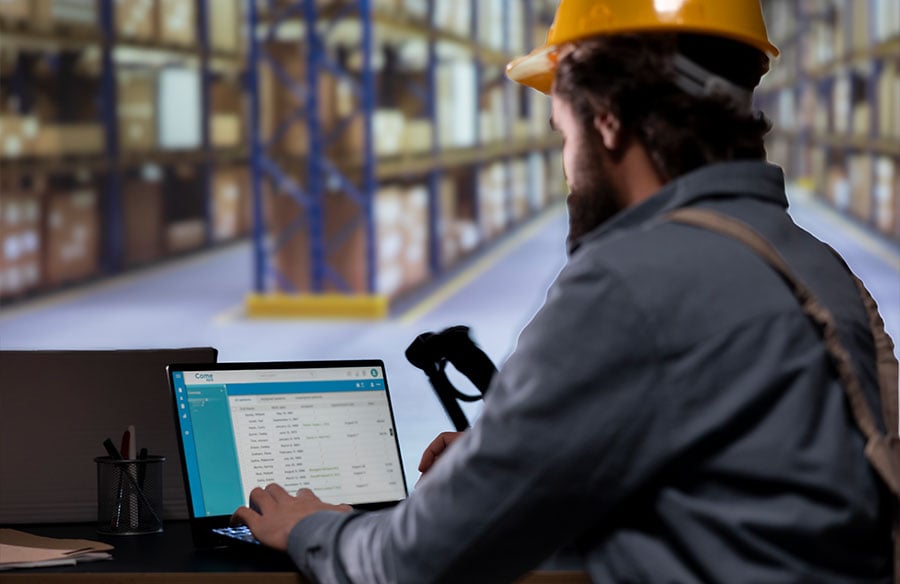
In the competitive world of wholesale distribution, managing operations efficiently is critical to success. This is where distribution management software plays a vital role. Businesses often choose between Enterprise Resource Planning (ERP) systems and standalone distribution software to streamline their processes. While ERP systems provide an all-in-one solution for managing multiple business functions, standalone distribution software focuses specifically on optimizing the distribution process.
This article explores the differences between these two options, their advantages and drawbacks, and how to choose the right solution for your wholesale business.
Understanding ERP and Standalone Distribution Software
What is an ERP System?
An ERP (Enterprise Resource Planning) system is a comprehensive software solution that integrates various business functions, including inventory management, sales, accounting, HR, and customer relationship management (CRM). ERP systems provide a centralized platform for businesses to manage and automate processes across different departments.
Key Functionalities of ERP Systems:
- Inventory and warehouse management
- Accounting and financial reporting
- Customer relationship management (CRM)
- Sales and order management
- Supply chain management
- Data analytics and business intelligence
Examples of ERP Solutions Used in Wholesale:
- SAP Business One – A widely used ERP system designed for small and mid-sized businesses, offering comprehensive tools for financials, sales, and inventory management. It enables real-time insights and automates key processes to improve efficiency.
- NetSuite ERP – A cloud-based ERP solution that provides a scalable, flexible system for wholesalers and distributors. It includes functionalities for financial management, CRM, supply chain management, and eCommerce integration.
- Microsoft Dynamics 365 – A powerful ERP system that combines CRM and ERP capabilities, helping businesses streamline sales, operations, and customer service. It offers AI-driven insights and seamless integration with other Microsoft products.
- Odoo ERP – An open-source ERP solution with a modular approach, allowing businesses to customize features according to their needs. It provides inventory, sales, accounting, and manufacturing management capabilities with an intuitive user interface.
What is Standalone Distribution Software?
Standalone distribution software is designed specifically for wholesalers and distributors to manage inventory, orders, and sales processes without integrating other business functions like HR and finance. This type of software focuses on efficiency and ease of use, offering tailored solutions for distribution management.
Key Functionalities of Standalone Distribution Software:
- Order and inventory management
- Route optimization and logistics management
- Customer relationship tracking
- Sales and merchandising tools
- Reporting and analytics for distribution
Examples of Standalone Distribution Software:
- SimplyDepo – A modern distribution management platform designed for wholesale businesses to enhance order and catalog management. It integrates with CRM platforms, streamlining sales tracking, inventory updates, and customer communication for improved efficiency.
- Fishbowl Inventory – A robust inventory management and distribution software known for its seamless integration with QuickBooks. It is ideal for businesses looking to optimize warehouse operations, track stock levels, and improve supply chain visibility.
- SkuVault – A cloud-based warehouse management software tailored for wholesalers and eCommerce businesses. It offers real-time inventory tracking, barcode scanning, and automation tools to reduce errors and improve fulfillment speed.
- Blue Link ERP – A specialized ERP solution for wholesale distributors, focusing on inventory and order management, accounting, and warehouse automation. It is particularly useful for businesses requiring detailed reporting and financial oversight.
Key Differences Between ERP and Standalone Distribution Software
| Feature | ERP System | Standalone Distribution Software |
| Scope | Covers multiple business processes | Focused on distribution management |
| Cost | Higher upfront and ongoing costs | Lower cost, pay-as-you-go options |
| Complexity | Requires extensive setup and training | Easier to implement and use |
| Customization | Highly customizable | May have limited customization |
| Integration | Integrates with multiple departments | Often requires third-party integrations |
| Scalability | Suitable for growing businesses | May be limited in scale |
| Implementation Time | Longer setup process | Quicker implementation |
Pros and Cons of Each Solution
Pros and Cons of ERP Systems
✅ Pros:
- All-in-one solution for managing all business functions.
- Advanced reporting and analytics for data-driven decisions.
- Scales well with growing businesses.
❌ Cons:
- High implementation costs and ongoing expenses.
- It is a complex system which requires extensive training.
- Lengthy setup and onboarding process.
Pros and Cons of Standalone Distribution Software
✅ Pros:
- Cost-effective with a faster setup.
- Specially designed for wholesale distribution needs.
- User-friendly and requires minimal training.
❌ Cons:
- Limited capabilities outside of distribution management.
- May require additional third-party integrations.
- Less ideal for businesses planning to scale rapidly.
Which One is Best for Wholesalers?
Choosing between an ERP system and standalone distribution software depends on several factors, including business size, growth plans, and budget.
When to Choose an ERP System:
- You need an all-in-one solution to manage your entire business operations.
- Your business is experiencing rapid growth and requires integrated systems.
- You have the budget and resources to invest in implementation and training.
When to Choose Standalone Distribution Software:
- You only need distribution-specific features without additional business functions.
- You are a small to mid-sized wholesaler looking for a quick and cost-effective solution.
- You prefer flexibility with lower upfront costs and minimal training.
SimplyDepo: A True API Integration for Improved Productivity
For wholesalers looking for a powerful yet flexible standalone distribution software, SimplyDepo offers a comprehensive solution tailored to their needs.
SimplyDepo enhances order and catalog management while integrating with CRM platforms to improve productivity through seamless sales tracking, inventory updates, and customer communication.
Key Features of SimplyDepo:
- Account Management – Strengthen client relationships and unlock revenue growth.
- Order Management – Empower customers in their ordering decisions.
- Route Management – Serve more customers while reducing operational costs.
- Catalog Management – Boost product visibility and streamline operations.
- Task Management – Simplify task handling and improve efficiency.
- Form Management – Enhance data collection for better business insights.
- B2B eCommerce – Drive sales through an integrated online ordering system.
- SimplyAI – Utilize AI-powered data reports to gain actionable insights.
Real-World Success: HC Foods
HC Foods, a leading importer and distributor of Southeast Asian food products in California, implemented SimplyDepo to enhance its sales and merchandising operations. The results were impressive:
- 15% increase in revenue
- 40+ hours saved weekly across their sales team
- 120% improvement in merchandising efficiency
- 30% increase in buyer retention
These achievements highlight the efficiency of SimplyDepo in streamlining operations and boosting wholesale success.
Want to achieve similar results? Book a demo today to see SimplyDepo in action.
Selecting the right distribution software is crucial for wholesale success. While ERP systems offer an all-in-one approach, they come with higher costs and complexity. On the other hand, standalone distribution software like SimplyDepo provides cost-effective, specialized solutions designed for wholesale businesses.
To make the right choice, evaluate:
- What are your business needs, and do you require full-scale ERP functionality?
- Your budget and willingness to invest in training and implementation.
- The scalability of the software to match your growth.
Whether you’re looking for a comprehensive ERP system or a focused distribution software, ensuring alignment with your business goals is the key to long-term success.
🚀 Ready to optimize your distribution? Explore SimplyDepo and take your wholesale business to the next level!