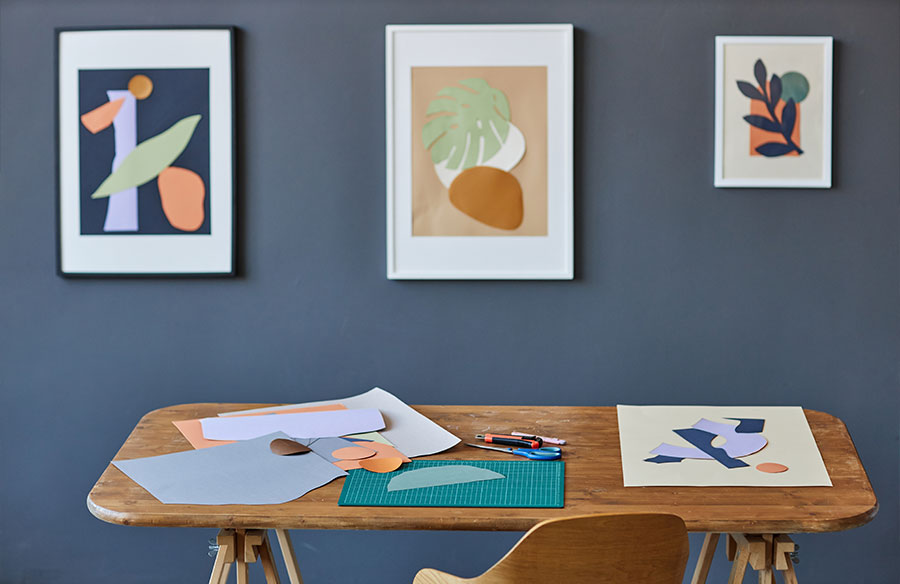
Blank walls can leave homeowners feeling overwhelmed and unsure where to begin their decorating journey. Many people discover that canvas clusters—thoughtfully arranged groupings of wall art—create far more impact than single pieces ever could.
For those looking to create stunning wall displays with minimal hassle, shop wall canvas prints that offer flexibility and quality without breaking the bank.
If you’re curious to know more, continue reading as we peel back and explain how canvas clusters have revolutionized how many approach home decorating, turning intimidating wall space into a favorite feature in any room.
Understanding the Power of Clustering
There’s something almost magical about how grouped artwork changes a space. Where a single canvas might get lost on a large wall, a thoughtful cluster creates a focal point that draws the eye and anchors the room. Clusters create a sense of intention that scattered individual pieces simply can’t match.
The Psychology of Grouped Artwork
The human brain naturally looks for patterns and connections. When people see grouped artwork, they perceive it as a single, cohesive unit rather than individual pieces. This creates a stronger visual impact and helps establish the mood of a room. Visitors tend to spend more time examining clustered displays, discovering connections between pieces that might not be apparent at first glance.
Basic Design Principles for Clusters
Several fundamental principles guide successful canvas clustering:
– Unity: Elements that share something in common (color, theme, frame style)
– Variety: Enough differences to create visual interest
– Balance: Distribution of visual weight across the arrangement
– Proportion: Appropriate sizing for the wall space
– Rhythm: Creating movement that guides the eye through the display
Many homeowners master these principles through trial and error before achieving magazine-worthy walls.
Common Clustering Mistakes to Avoid
Most people make several mistakes when grouping artwork. The most common pitfalls include:
– Hanging pieces too high (eye level is usually best)
– Insufficient spacing between canvases (crowding creates visual chaos)
– Too much matching (some cohesion is good, but identical frames/sizes gets boring)
– Ignoring scale (tiny clusters on huge walls look lost)
– Forgetting about lighting (beautiful clusters need proper illumination)
Planning Your Canvas Layout
Successful canvas clusters rarely happen by chance. Proper preparation makes all the difference between a polished, professional-looking display and something that feels haphazard.
Measuring Your Wall Space
Before ordering any prints, homeowners should measure their available wall space and note any obstacles like light switches or vents. Using a tape measure to determine both the width and height of the area to fill, then subtracting about 6-12 inches from each dimension allows for some breathing room around the edges. This prevents the cluster from feeling cramped against adjacent walls or furniture.
Creating Paper Templates
This simple trick has saved countless nail holes: cutting paper templates matching the exact size of each planned canvas. Using painter’s tape, these templates can be moved around the wall until finding an arrangement that works. Living with the paper layout for a day or two, viewing it from different angles and in different lighting conditions before committing helps ensure satisfaction with the final result.
Choosing the Right Scale
Scale is everything when it comes to impactful clusters. Undersized arrangements are the most common mistake. For large walls, clusters should occupy at least 2/3 of the available space. In smaller areas like hallways, appropriately sized canvases and tighter spacing still create effective clusters without overwhelming the space.
Mastering Different Clustering Styles
The beauty of canvas clusters lies in their versatility. Different arrangement styles create distinctly different moods in spaces.
Grid Formations
For a clean, contemporary look, grid patterns work beautifully. These orderly arrangements complement a series of similarly themed images or create a sense of calm. Using identical frame sizes and maintaining consistent spacing between each piece provides structure. A 3×3 grid of black and white landscape photos often becomes a conversation piece in living rooms.
Organic Spreads
For a more relaxed, casual vibe, organic arrangements that follow no strict pattern allow for creativity. These free-form clusters incorporate different canvas sizes and create a more collected-over-time look. The key is maintaining enough cohesion through color or theme while allowing for playful arrangement. Dining areas often benefit from organic clusters of food photography or botanical prints that can grow over time.
Salon-Style Arrangements
Inspired by traditional art galleries, salon-style clustering involves a dense, floor-to-ceiling approach that makes a dramatic statement. This approach works well in home offices or studies, filling an entire wall with inspirational imagery. The trick is starting with larger anchor pieces and filling in with smaller works, maintaining minimal but consistent spacing throughout.
Symmetrical vs Asymmetrical Balance
Beginners often start with symmetrical arrangements because they feel “safer,” but many grow to appreciate the dynamic energy of asymmetrical arrangements. Symmetrical clusters create formal, orderly spaces, while asymmetrical groupings feel more spontaneous and contemporary. The overall feel desired for each room should guide this decision.
Color and Theme Coordination
Creating a cohesive display doesn’t mean everything needs to match perfectly. Some of the most successful clusters incorporate varied elements unified by thoughtful color and theme coordination.
Working with Color Palettes
Three approaches to color consistently work well:
- Monochromatic: Various shades of a single color create subtle sophistication
- Complementary: Using colors opposite on the color wheel for vibrant contrast
- Analogous: Selecting colors adjacent on the color wheel for harmonious flow
A hallway cluster using a limited palette of blues and greens that echoes colors in adjacent rooms creates continuity between spaces.
Mixing Different Art Styles
Interesting clusters often combine different art styles. Pairing abstract pieces with photography or typography with landscapes creates visual interest. The key is finding a common element—perhaps similar coloring, subject matter, or mood—that ties everything together. Bedrooms often benefit from mixed media approaches, such as watercolor botanicals with black and white photography, unified by shared natural themes.
Creating Visual Flow
A successful cluster guides the viewer’s eye through the arrangement. Creating flow means considering the direction implied within each image (a person looking right, a landscape that draws the eye left) and arranging pieces so they lead into each other. Visual weight also matters—balancing darker or more complex pieces with lighter, simpler ones prevents any single area from dominating.
Smart Solutions with Mixtiles Canvas Prints
Modern canvas print options have revolutionized how many homeowners approach clustering. The flexibility and ease of installation makes experimentation with different arrangements much more accessible.
Easy Installation Without Wall Damage
Renters especially appreciate systems that use removable adhesive backing. Positioning and repositioning without damaging walls or needing to patch holes later removes a significant barrier to creating impressive displays. This proves especially helpful as personal style evolves over time.
Mix-and-Match Options
The ability to order prints in various sizes but with consistent quality makes creating cohesive clusters much easier. Selecting images from different sources—personal photos, digital art, or professional stock imagery—and having them produced with matching finishes and proportions ensures a professional look.
Flexible Rearrangement Possibilities
Most living room clusters evolve multiple times as homeowners add new pieces. Modern canvas options make it simple to lift off existing pieces and reconfigure the entire arrangement. This flexibility allows displays to grow organically with a collection instead of forcing commitment to a permanent layout.
Specialized Clustering Techniques
Once basic clustering principles are mastered, more advanced approaches create unique visual experiences throughout a home.
Gallery Wall Transitions
One effective technique uses clusters to create transitions between spaces. Open floor plans benefit from clusters that begin in one area and continue around the corner into another. This creates a natural flow that guides visitors through the space while visually connecting different functional areas.
Multi-Room Connections
Creating a sense of continuity throughout a home can be achieved by using related clusters in adjacent rooms. A kitchen might feature food photography while the dining area showcases botanical prints—different subjects but with complementary color palettes and similar framing styles. This creates a subtle connection without being too matchy-matchy.
Statement Piece Integration
Not every canvas in a cluster needs equal visual weight. Building an arrangement around one larger, more dominant piece creates a natural focal point. Home offices often benefit from a centered large motivational print surrounded by smaller, complementary pieces that support rather than compete with the main artwork.
Practical Tips for Installation
All the planning in the world won’t help if the installation goes poorly. A systematic approach makes the actual hanging process much less stressful.
Essential Tools and Materials
A complete canvas cluster toolkit includes:
– Tape measure
– Level
– Pencil
– Painter’s tape
– Hammer and picture hanging nails (if not using adhesive options)
– Step stool or ladder
– Helper (for larger arrangements)
Having everything ready before starting prevents frustrating mid-project interruptions.
Step-by-Step Hanging Process
This methodical process works for most installations:
- Transfer paper templates to the wall using painter’s tape
- Mark hanging points on the wall through the templates
- Remove templates one by one, installing each piece before moving to the next
- Start with central or largest pieces and work outward
- Step back frequently to check the overall effect
This approach eliminates guesswork and reduces installation stress.
Adjusting and Leveling
Even with careful planning, adjustments during installation are often necessary. Keeping a small level handy ensures each piece hangs straight, and being willing to reposition if something doesn’t look right improves the final result. Tiny shifts of even half an inch can make a significant difference in how the overall cluster feels.
Future-Proofing Your Display
The best canvas clusters evolve over time. Planning for this evolution from the beginning helps create displays that remain fresh and relevant for years.
Planning for Collection Growth
When designing a first major cluster, intentionally leaving space for future additions allows for incorporating new pieces without completely redesigning the arrangement. Leaving at least some open wall space within the general outline of clusters makes it easy to add pieces that catch the eye later.
Seasonal Rotation Strategies
Not all canvas prints need to stay on display year-round. Creating a simple seasonal rotation system, swapping certain pieces to reflect changing seasons or holidays, keeps displays fresh while maintaining their overall structure. Entryway clusters often include spaces for seasonal images that change quarterly.
Maintaining Visual Balance Over Time
As clusters evolve, periodically stepping back to assess the overall balance helps maintain their impact. Homeowners should consider: Have new additions created a heavy spot? Does the color balance still work? Is the eye still moving through the arrangement as intended? These occasional check-ins help maintain the integrity of displays even as they grow and change.
Creating canvas clusters transforms how many homeowners think about wall decor. What starts as a practical way to fill blank walls often becomes a creative outlet that truly expresses personality and style. With thoughtful planning and willingness to experiment, canvas clusters can bring new life and energy to any space.