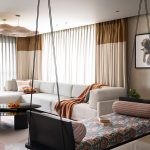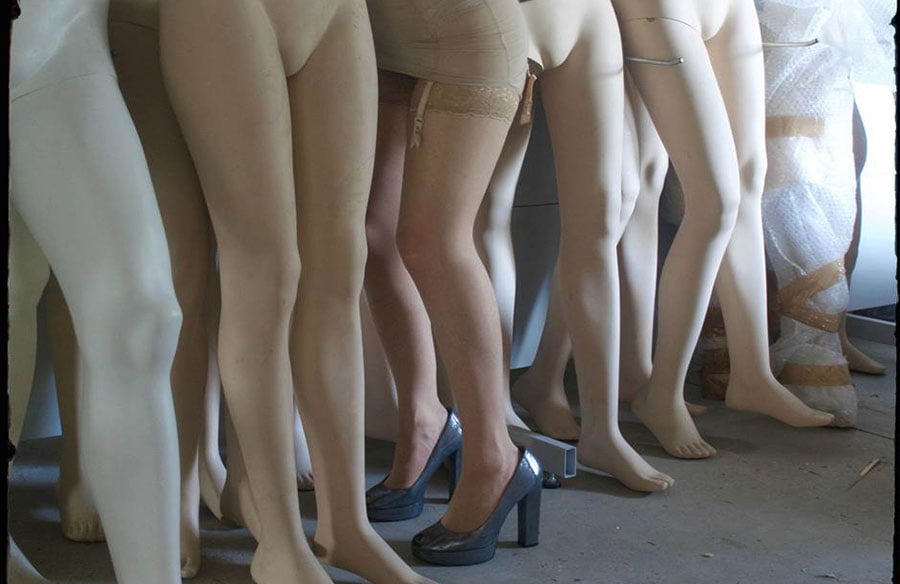
Multifaceted artist, model, photographer and music video creative director Josephine Meng is known for her unique vision with the camera, and her artistic collaborations. From working with iconic brands like Maison Martin Margiela to collaborating with international renowned talents like Emma Chamberlain, the Berlin-based artist that has proven herself as a talented, multifaceted force in the field.
Meng’s expertise spans creative direction, music video direction, modelling, photography, and beyond, all underpinned by a deep appreciation for the eccentric, the romantic, and, also, the power of architecture.
With roots firmly rooted in Berlin’s vibrant artistic scene, Meng’s work is immediately recognizable for its distinctive aesthetic, a blend of raw emotion and meticulously crafted visual storytelling. But what often remains unspoken is the vitally crucial role architecture that plays in shaping these compelling narratives. We sat down with Meng to understand the architectural influences that inform her creative process.
Berlin has its own architectural masterpieces, beyond the Reichstag or the Berliner Dom. Berlin’s 19th-century architectural scene was shaped by Prussia’s rise as a major European power. The city experienced a period of rapid expansion and modernization, fueled by industrialization and a desire to project an image of strength and sophistication. This era saw the construction of imposing government buildings, opulent palaces, and grand residential structures. Berlin was also a crucial hub for minimalist architecture, like the Bauhaus movement, which focused on the integration of art and technology. Bauhaus principles, focusing on functionality and simplicity, are visible in some surviving structures.
“Architecture is a fundamental element of my work, it’s one of my primary sources of inspiration,” Meng explains. “The shapes, colors, and structures of buildings speak to me in a way that deeply influences the language of everything I create.”
For Meng, the location of any photograph or film is key, acting as a crucial layer of meaning that elevates the entire narrative. “The places or spaces I choose to shape the mood and atmosphere in a way that no other element can,” she emphasizes.
So, what architectural styles resonate most with this visionary artist? While her current Berlin surroundings offer a wealth of brutalist and Bauhaus structures, Meng’s preferences happen to lean towards the more nuanced and historically rich. “Since being in Berlin, it’s mostly brutalism and some Bauhaus, which are not my favorite,” she admits. Her travels, however, have provided her with a richer architectural palette.
“I’ve had the honor of spending time in some iconic spaces, like a John Lautner house and the Albert Frey homes, which was a truly enjoyable experience. I loved visiting Elvis’ honeymoon getaway,” she shares, her enthusiasm palpable. “Cities like Vienna, Prague, and Paris are also major inspirations for me, each offering a distinct architectural beauty.”
Beyond the celebrated landmarks, Meng finds a particular allure in the forgotten and decaying. “I’m also deeply captivated by abandoned places; there’s something mesmerizing about their forgotten elegance. Above all, I’m drawn to architecture that’s rich in detail, those intricate touches that bring a space to life and tell a story,” she says. “And I’m also very much obsessed with any beautiful abandoned place.”
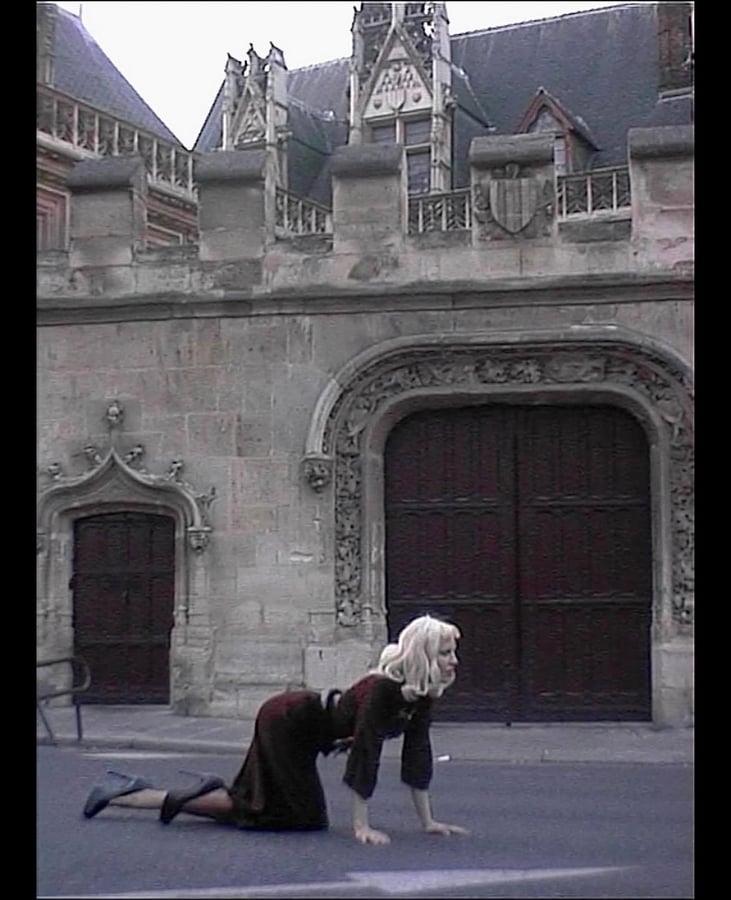 But how does Meng translate this architectural appreciation into a tangible creative output? The element, she explains, lies in understanding how architecture sets the mood and that every frame—whether through photography, creative direction, or modeling—is an interplay between subject, environment, and emotion. “Architecture and interior set the vibe for a shoot in so many ways,” said Meng, who emphasizes how architecture and interior spaces play an essential role in setting the tone for both her photographic and directorial work. “The structure of a building, its lines, and its materials can evoke a sense of elegance, tension, or warmth, or darkness, depending on how they’re framed.” This perspective has informed her work across multiple projects, from capturing Devon Lee Carlson at YSL’s Paris fashion show to shaping the visual identity of Deadly Doll’s Spring Summer 2024 campaign.
Meng elaborates on the crucial role of light and shadow, elements she considers her “true fetish.”
“The interchange of light and shadow within a space — how it falls on certain surfaces, how it carves out shapes — can dramatically alter the mood, highlighting certain emotions or aspects of the subject,” she reveals. Whether she’s behind the camera, directing a campaign for Jesse- Jo Stark, or stepping in front of the lens for Valentino’s social media campaign, this sensitivity to light informs every artistic decision she makes.
“At its core, the location isn’t just a mere backdrop; it becomes an extension of the narrative, influencing how the subject interacts with the space and how the viewer feels when they experience the image or film,” she states. This approach is clear through her creation of immersive visual worlds, including editorials for King Kong magazine’s Controversy issue, the stark minimalism of her work with “Ilona”, or the gritty romanticism of Sicky Magazine’sYearbook.
In essence, Josephine Meng’s work through photography, creative direction, and modeling conveys a holistic approach to visual storytelling, where architecture isn’t just merely a background element but an essential character in the unfolding drama. She seamlessly navigates the complexity of her craft, crafting images that transcend aesthetics and become cinematic moments in their own right. Her remarkable eye for detail, coupled with a deep understanding of how space influences perception, sets her apart as a truly innovative and compelling artist.
As she continues to shape the visual landscape of the fashion and creative industries, one can be certain that the architecture of her photographs, with their carefully crafted interplay of light, shadow, and form, will continue to captivate and inspire.