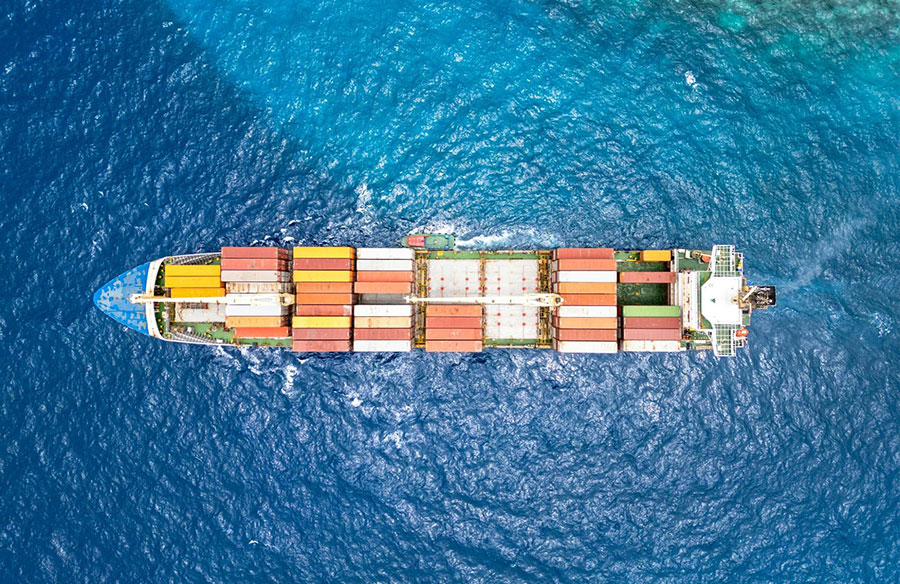
Revolutionizing shipping isn’t just about faster boats or bigger cranes—it’s about rethinking every step of the journey. In an industry steeped in legacy practices, digital innovation is forging a new path for handling long-distance moves and Full Container Load (FCL) shipping. For small to midsize businesses, the traditional challenges of managing large-scale logistics are giving way to streamlined, data-driven solutions that deliver precision, flexibility, and cost savings. Today’s shipping professionals are leveraging technology to optimize routes, automate compliance, and enhance cargo security, all while maintaining the human touch that keeps global trade moving smoothly.
This article delves into how digital platforms, exemplified by pioneers like Ship4wd, are transforming the shipping landscape. We’ll explore the critical aspects of long-distance moves, the enduring benefits of FCL shipping, and the innovative edge offered by Less-Than-Container Load (LCL) services. By reimagining the logistics process from end to end, digital solutions are turning traditional shipping challenges into opportunities for efficiency and growth.
Navigating the Challenges of Long Distance Moves
Long-distance moves have always presented a unique set of challenges. Unlike local shipments, these moves involve multiple stakeholders, complex logistics, and significant regulatory hurdles. When planning a long-distance move, businesses must consider not only the distance but also variables such as weather, port congestion, and customs procedures.
Key Challenges Include:
- Route Optimization: Shipping routes over vast distances require thorough planning. Navigating through busy shipping lanes and unpredictable weather conditions demands flexibility and real-time information.
- Regulatory Compliance: With shipments crossing multiple jurisdictions, staying compliant with international, national, and local regulations is essential. Failure to comply can result in delays, fines, or even the seizure of goods.
- Cargo Security: The longer the distance, the greater the exposure to potential risks such as theft, damage, or loss. Ensuring cargo security through advanced tracking and monitoring systems is a priority for modern shippers.
- Cost Management: Extended transit times and the need for additional handling increase costs. Businesses must balance the need for speed against their budget constraints, often requiring a nuanced approach to logistics management.
Embracing technology in these areas helps businesses mitigate risks and optimize performance. Digital platforms now offer real-time tracking, predictive analytics, and automated compliance checks, enabling shipping professionals to manage long-distance moves with unprecedented efficiency.
The Evolving World of FCL Shipping
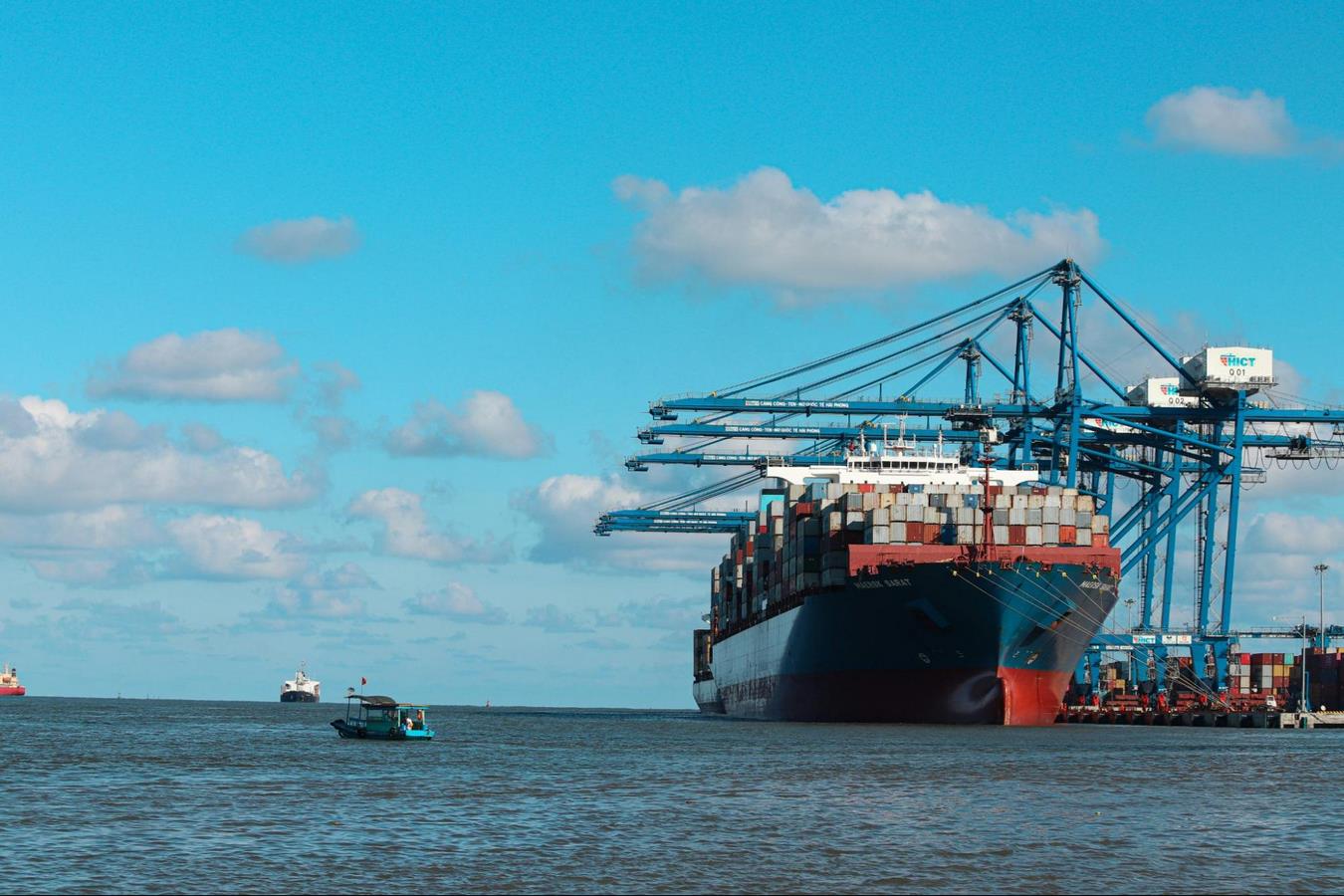
What is FCL? Full Container Load (FCL) shipping remains a cornerstone of global trade. In an era where efficiency and capacity are paramount, FCL shipping offers businesses a secure, streamlined method to transport large volumes of goods. When a business opts for FCL shipping, it essentially leases an entire container, ensuring that the cargo remains consolidated throughout the journey. This method minimizes the risk of damage and loss, offering a secure and predictable solution for bulk shipments.
 Why FCL Shipping?
- Security and Control: With FCL, goods are sealed in the container from origin to destination. This reduces handling, minimizes potential damage, and simplifies the logistics process.
- Efficiency in Bulk Transport: FCL is especially beneficial when transporting large volumes. By consolidating shipments into a single container, businesses can often negotiate better rates and enjoy reduced transit times.
- Simplified Documentation: FCL shipments typically require less paperwork than their LCL counterparts, streamlining customs clearance and regulatory compliance.
- Cost-Effective for High-Volume Shipments: Although the upfront cost may seem high, the economies of scale associated with FCL shipping can translate into lower per-unit costs over long distances.
Yet, while FCL shipping offers distinct advantages for large-scale operations, it is not a one-size-fits-all solution. Smaller businesses, or those with less frequent shipping needs, might find FCL less economical. For these shippers, digital platforms now offer a hybrid approach—combining the security of FCL with the flexibility of alternative models such as LCL shipping.
Book Your Less-Than-Container Load (LCL) Shipping Services
For many small to midsize businesses, the ability to ship smaller volumes without committing to a full container is a game-changer. This is where Less-Than-Container Load (LCL) shipping comes into play.
Need to ship smaller cargo volumes? With Ship4wd’s LCL Ocean Freight, enjoy greater flexibility and pay only for the space you use, making it easy and cost-effective to move your goods.
LCL shipping allows businesses to share container space with other shippers. This approach not only optimizes container usage but also significantly reduces costs, as shippers only pay for the portion of the container their goods occupy. The model is particularly attractive to businesses that do not have sufficient volume to justify an entire container but still require reliable and timely shipping services.
Benefits of LCL Shipping:
- Cost Savings: By sharing container space, businesses avoid the expense of leasing an entire container. This cost-effective model is ideal for those with smaller or less frequent shipments.
- Flexibility: LCL services allow shippers to adjust their volumes without being locked into a fixed container size. This is particularly useful in a dynamic market where demand can fluctuate.
- Reduced Inventory Costs: With more frequent shipments possible under LCL, businesses can adopt leaner inventory practices. Reduced warehousing and storage costs directly contribute to improved cash flow.
- Eco-Friendly Option: Maximizing container space reduces the number of shipments needed, contributing to lower carbon emissions per unit of cargo transported.
Digital platforms have made booking LCL services simpler than ever. Through intuitive interfaces and real-time tracking, shipping companies can now offer seamless LCL booking experiences that empower small businesses to expand their reach globally without overextending their budgets.
Digital Transformation: Redefining Traditional Shipping
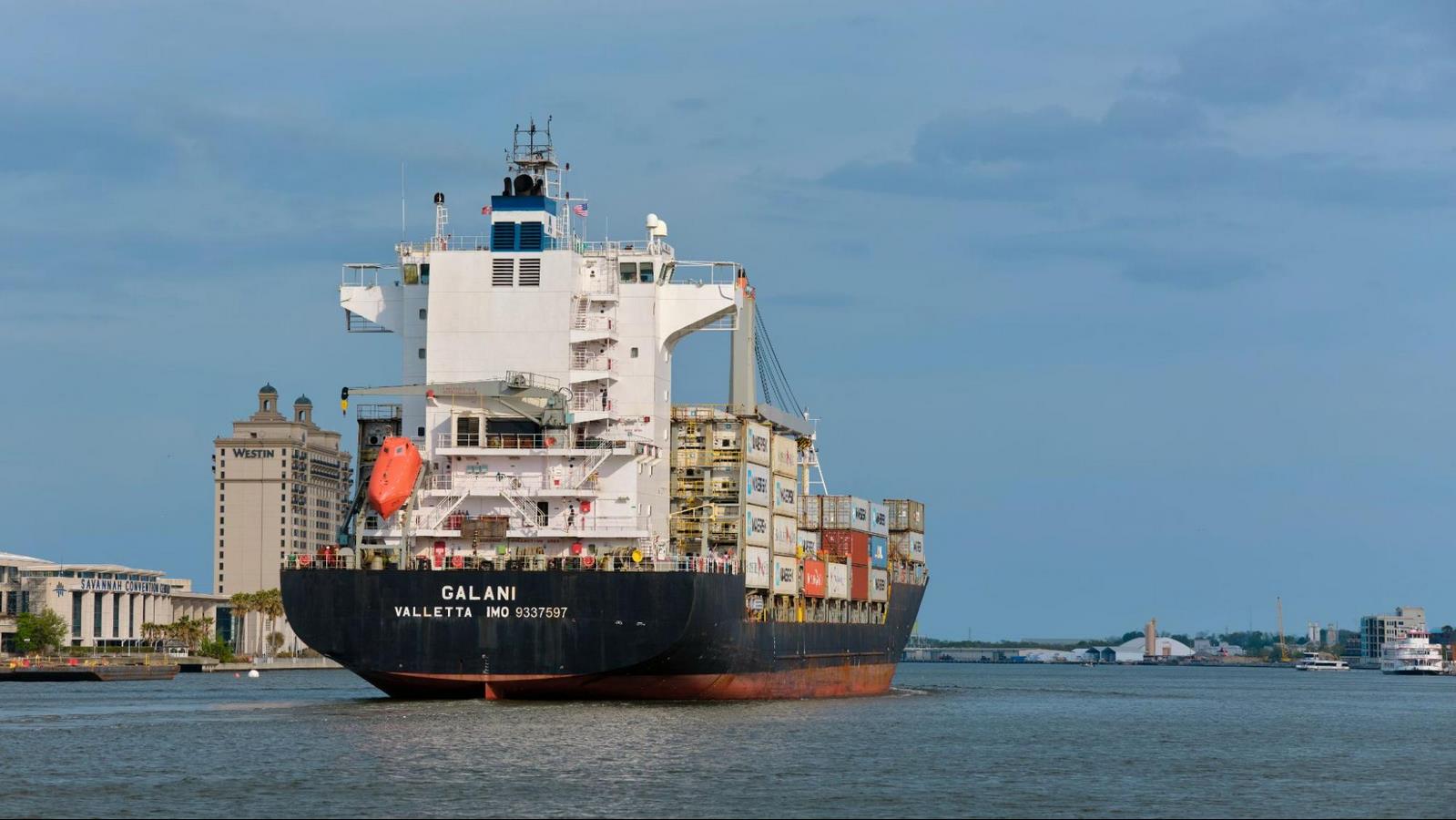 At the heart of this evolution is the digital revolution in shipping logistics. Traditional shipping methods, often laden with paperwork, manual processes, and opaque communication channels, are giving way to integrated digital ecosystems. These systems not only enhance operational efficiency but also provide greater transparency and control over the shipping process.
How Digital Platforms Are Changing the Game:
- Real-Time Visibility: Modern digital platforms allow shippers to track their cargo in real time. This visibility extends to every stage of the journey, from departure to arrival, ensuring proactive management of potential delays or issues.
- Automated Documentation: Digital solutions automate paperwork and customs declarations, reducing the administrative burden and the risk of human error. This acceleration of processes helps to avoid costly delays.
- Predictive Analytics: By harnessing data analytics, digital platforms can predict trends, forecast potential disruptions, and provide actionable insights. This empowers businesses to make informed decisions based on real-time data.
- Enhanced Communication: Integrated systems facilitate seamless communication among all stakeholders—shippers, carriers, and port authorities. This results in better coordination and quicker resolution of issues.
- Sustainable Practices: Digital platforms promote efficiency, reducing unnecessary trips and optimizing cargo loads. The result is a reduction in fuel consumption and emissions, aligning with global sustainability goals.
Companies like Ship4wd are at the forefront of this digital transformation. By merging advanced technology with decades of industry expertise, they are creating platforms that not only streamline shipping operations but also adapt to the evolving needs of their clients. The result is a more agile, responsive, and customer-centric shipping experience.
Bridging the Gap: Enhancing Efficiency Through Integration
A significant barrier in traditional shipping has been the lack of integration among different segments of the supply chain. Long-distance moves, FCL shipping, and LCL shipping services often operated as discrete entities. Digital transformation is now bridging these gaps, enabling a more holistic approach to global logistics.
Integration Benefits:
- Unified Booking Systems: Digital integration allows businesses to book various shipping services—from FCL to LCL—in one centralized platform. This simplifies logistics planning and enhances overall efficiency.
- Streamlined Operations: By integrating diverse shipping services, companies can reduce redundancies and optimize resource allocation. This leads to faster turnaround times and improved reliability.
- Cost Transparency: An integrated system provides a clear breakdown of costs, making it easier for businesses to budget and manage expenses. This transparency is critical for maintaining profitability in competitive markets.
- Scalability: As businesses grow, integrated platforms can adapt to increasing volumes and more complex shipping requirements without sacrificing efficiency.
This comprehensive integration is particularly beneficial for small to midsize businesses. By leveraging digital platforms, these companies can access a range of services tailored to their unique needs, ensuring that whether they are shipping full container loads or opting for LCL, the process remains smooth and cost-effective.
Humanizing the Digital Experience
While the benefits of digital transformation in shipping are clear, it’s important to remember that the human element remains crucial. Behind every shipment is a team of dedicated professionals who manage the intricate details of global logistics. The aim of digital platforms is not to replace these experts but to empower them. By automating routine tasks and providing advanced analytical tools, these platforms free up valuable time for professionals to focus on strategic decision-making and customer service.
Human-Centric Digital Design:
- User-Friendly Interfaces: Modern shipping platforms are designed with the end-user in mind. Intuitive dashboards, clear data visualizations, and easy navigation help shipping professionals quickly access the information they need.
- Customized Solutions: Recognizing that no two businesses are alike, digital platforms offer customizable solutions. Whether a company needs specific reporting tools or integration with existing systems, digital platforms can be tailored to fit individual requirements.
- Support and Training: Transitioning from traditional to digital shipping methods can be challenging. To ease this transition, many platforms offer robust customer support and comprehensive training programs. This ensures that users are not only equipped with the right tools but also the knowledge to maximize their potential.
- Feedback-Driven Enhancements: The best digital platforms evolve based on user feedback. By incorporating suggestions from shipping professionals, companies can continuously refine their services, ensuring that the platform remains relevant and effective in an ever-changing market.
The transformation is not just technological—it’s cultural. As digital platforms continue to mature, they are reshaping the way professionals in the shipping sector think about their roles, their workflows, and their interactions with clients. This humanization of the digital experience is a testament to the industry’s commitment to both innovation and excellence.
Conclusion
The shipping industry stands at a crossroads, where traditional methods meet modern digital solutions. For businesses involved in long-distance moves and FCL shipping, the shift to digital platforms offers a new realm of possibilities—improved efficiency, enhanced security, and unprecedented flexibility. Whether you are managing a full container load or booking LCL services to optimize smaller shipments, embracing digital transformation can be the key to staying competitive in a global market.
As shipping companies continue to innovate, the future of logistics is set to become more integrated, transparent, and user-friendly. With real-time tracking, automated documentation, and predictive analytics, digital platforms empower shipping professionals to overcome the challenges of long-distance moves and complex international trade. They enable a level of precision and agility that traditional methods simply cannot match.
For small to midsize businesses, the promise of a streamlined, digital shipping experience is not just about cutting costs—it’s about building a more resilient and adaptive supply chain. By harnessing the power of digital transformation, companies can focus on what matters most: growing their business, delighting their customers, and contributing to a more sustainable global economy.
In this era of rapid change, the digital revolution in shipping is more than a trend—it’s a necessity. With solutions like Ship4wd leading the way, the industry is poised to redefine what it means to move goods across the world. From the secure efficiency of FCL shipping to the flexible cost savings of LCL services, digital platforms are turning challenges into opportunities and paving the way for a future where shipping is as dynamic and diverse as the global marketplace itself.
Embrace the change. Optimize your shipping processes. And join the movement towards a smarter, more connected logistics world—one where long-distance moves and container shipping are managed with precision, agility, and an unwavering commitment to excellence.