Introduction
Houston, Texas is known for its intense heat. In such a climate, a reliable air conditioning system is not just a luxury but a necessity. The comfort and peace of mind that a well-functioning AC unit provides can make a difference in those scorching summer months. Recognizing the signs that your air conditioning may need repair can prevent discomfort and costly replacements. Regular maintenance also plays a significant role in extending the life of your unit. For more insight on the importance of regular AC maintenance, you can refer to Energy.gov’s guide on maintaining your air conditioner.
Unusual Noises from the AC Unit
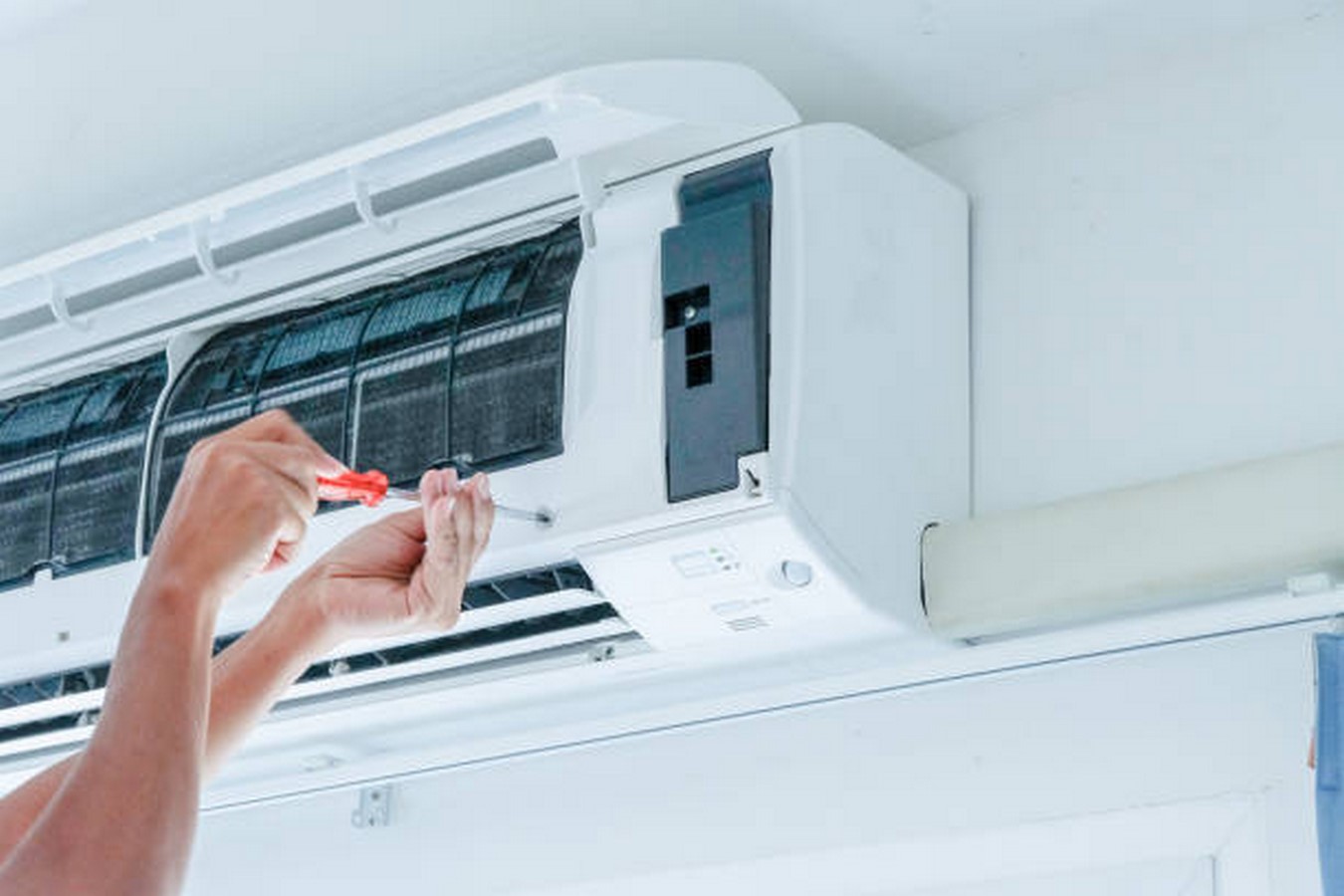 An air conditioner should operate quietly, apart from a slight hum when the compressor kicks in. However, strange noises can indicate that something is wrong. Here are sounds you need to be aware of:
- Grinding: This can suggest that a motor bearing is broken.
- Rattling: Often caused by loose parts or debris trapped in the unit.
- Banging or Clanking: These are serious signs that perhaps a part has become loose or disconnected.
It is important to distinguish between these abnormal sounds and the usual operational noises. Ignoring them may lead to further damage. For an in-depth understanding of air conditioning noises and their implications, visit HVAC.com’s article on strange air conditioning noises.
Issues With Airflow Efficiency
Experiencing weak airflow in your home can be more than just an inconvenience; it can be a sign that something’s wrong with your air conditioning system in Houston, Texas. Here’s why you should pay attention to this issue:
- Common Causes: Weak airflow might be due to ductwork problems or even a failing compressor. Both require attention from a professional.
- Comfort Concerns: Poor airflow can lead to uneven cooling, making some parts of your home uncomfortably warm.
- Increased Costs: When airflow is inefficient, your system must work harder, which can result in higher energy bills. It’s essential to address these issues promptly to avoid a complete system breakdown.
Understanding the importance of addressing airflow problems quickly is key to maintaining a comfortable home.
Frequent Cycling and Its Causes
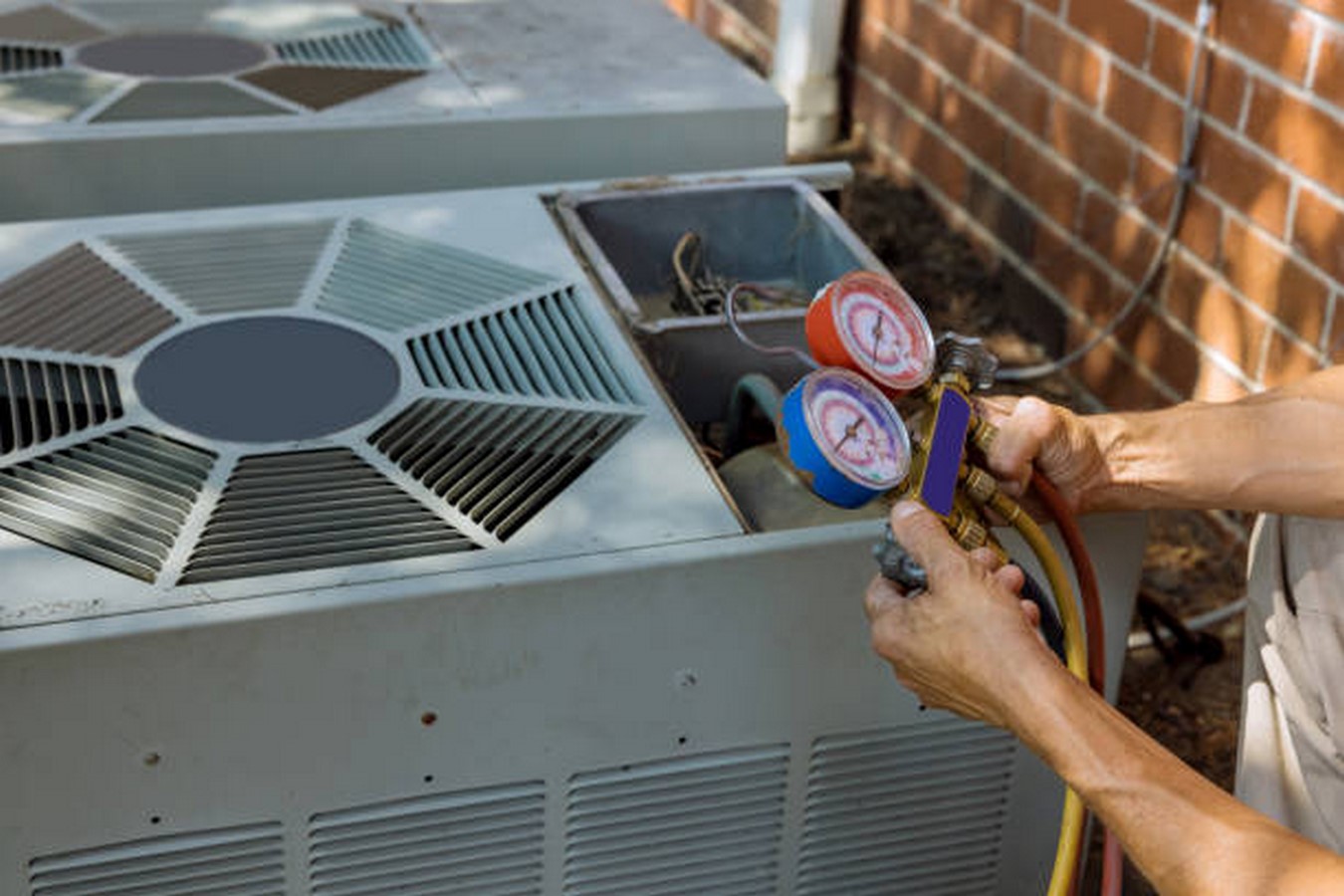 If your AC is turning on and off more frequently than usual, this is known as short cycling, and it could point to underlying problems.
- Potential Causes: This can happen because of thermostat errors, an improperly sized unit, or low refrigerant levels.
- Impact on Your System and Wallet: Frequent cycling is not just an inconvenience; it can run up energy bills and lead to increased wear and tear on the system, potentially causing more severe damage over time.
- Expert Insights: Consulting with an AC repair specialist can help diagnose whether your system is experiencing short cycling and what steps need to be taken to rectify the issue.
Understanding the underlying causes and potential impacts of frequent cycling can save you headaches and money in the long run. For more expert advice on this matter, consider visiting a reputable brand like Love Air Conditioning.
Impact of High Humidity Indoors
Air conditioning systems do more than just cool your home; they also help manage humidity levels. High indoor humidity can make your home feel uncomfortable and stuffy. More importantly, excessive moisture can lead to serious problems such as:
- Mold Growth: Moist environments are breeding grounds for mold and mildew, which can trigger allergies and respiratory issues.
- Damage to Household Items: High humidity can damage furniture, walls, and other items by promoting rot and peeling paint.
- Increased Discomfort: Air that feels sticky or heavy can make it difficult to relax or sleep comfortably.
When your AC unit isn’t properly dehumidifying, it could indicate a malfunction. It might be time for air conditioning service in Houston to ensure your AC is working efficiently. For more on how air conditioning impacts humidity, you can reference this EPA guide on indoor humidity.
Addressing Water Leaks Around the Unit
Water leaks around your air conditioning unit are more than just a nuisance. They can lead to significant problems if not addressed promptly. Here are some causes and risks associated with water leaks near your AC unit:
- Blocked Drain Line: This can cause water to back up, potentially leading to mold growth or water damage in your home.
- Overflow Pan Problems: A damaged or rusted overflow pan can’t catch condensation, leading to leaks.
- Refrigerant Leaks: These lead to pressure problems making the system inefficient and possibly causing ice to form and then melt.
Unchecked leaks pose risks such as:
- Mold and Mildew: Moisture around your AC can lead to unhealthy mold and mildew.
- Structural Damage: Persistent leaks can damage walls and floors over time, requiring costly repairs.
It’s crucial to address any water leaks by seeking AC repair in Houston, TX. Prompt attention is key to preventing expensive issues and ensuring the longevity of your air conditioning system.
Dealing with Bad Odors From the AC Unit
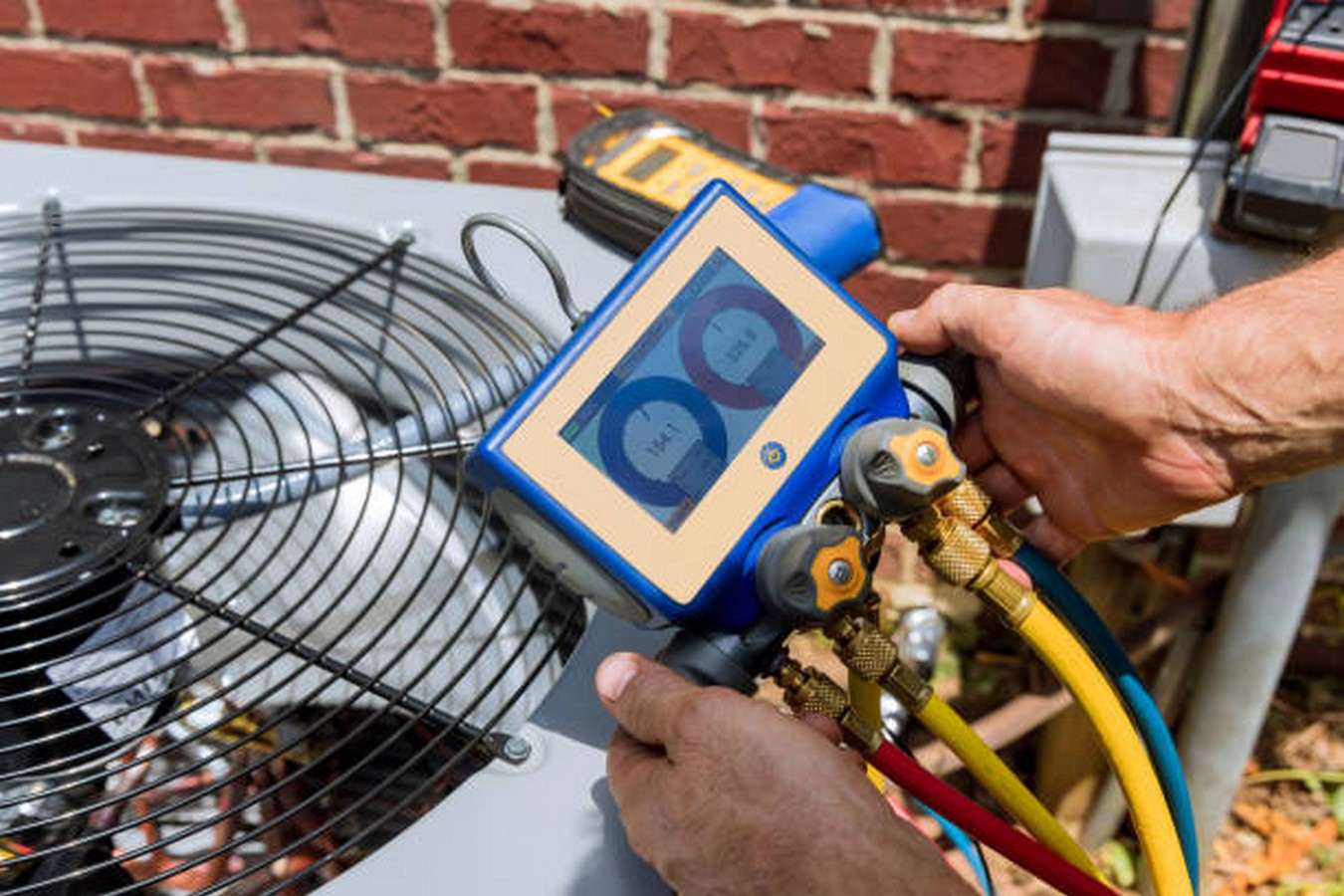 Bad smells coming from your air conditioner can make your home uncomfortable. Understanding the reasons behind these odors can help you take action quickly.
- Types of Odors:
- Musty Smells: Usually a sign of mold or mildew inside the unit or ductwork.
- Burning Smells: Could indicate wiring issues or overheating components.
- Potential Causes:
- Mold Growth: Caused by excess moisture that might be trapped in the AC system.
- Electrical Problems: Damaged wiring or components can emit a burning odor.
- Health Concerns:
- Mold Exposure: Can cause allergies and respiratory issues.
- Electrical Hazards: A burning smell may signal a fire risk.
- Solutions:
- Check and Clean Filters: This can prevent mold growth and improve air quality.
- Professional Inspection: An expert can identify and resolve electrical issues.
Addressing bad odors promptly can prevent further damage and maintain a healthy indoor environment. Prompt repairs can also help maintain the comfort and efficiency of your AC system.
Exploring Rising Energy Bills as an Indicator
There are several reasons why your energy bills may rise unexpectedly.
- Potential Causes:
- Old or Malfunctioning Systems: Older units or those needing repair often consume more energy.
- Clogged Filters or Ducts: Restricted airflow forces the AC to work harder, using more energy.
- Thermostat Issues: Incorrect readings can cause frequent cycling or prolonged operation.
- Benefits of Early Repairs:
- Cost Savings: Fixing efficiency issues before they worsen can save money on repairs and energy bills.
- Improved Performance: A well-maintained unit cools your home more effectively.
- Preventative Measures:
- Regular Maintenance: Routine checks can catch small problems before they lead to larger issues.
- Energy Efficiency Upgrades: Upgrading to a newer model can significantly reduce energy costs.
By taking steps to address inefficiencies early, you can enjoy a comfortable home while keeping costs in check. For additional information and guidelines on common AC problems and how to prevent them, check out this informative guide.