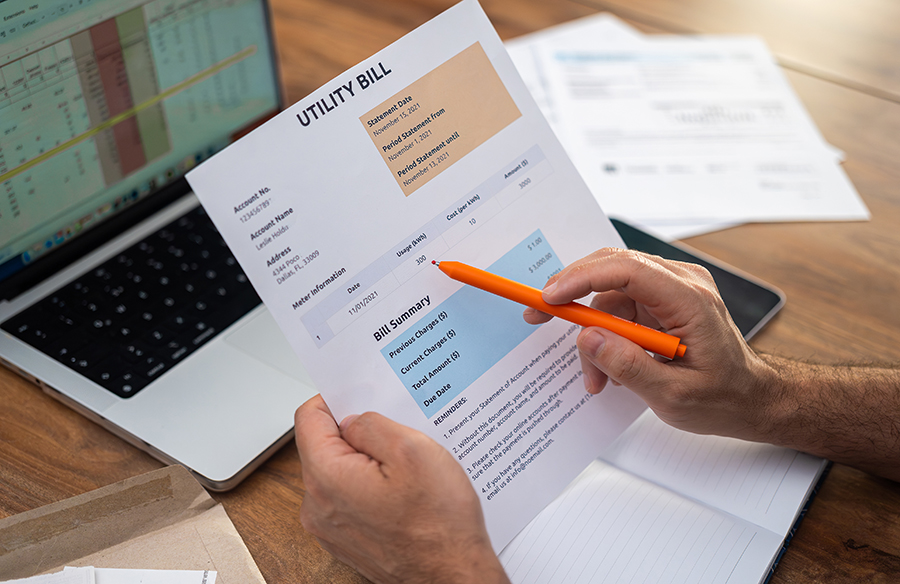
Are the rising utility bills making you overwhelmed as they are beginning to bring your financial stability to the red zone? If such is your worry every month, trying your best not to jeopardise the budget, you are not alone. Thankfully, you can now benefit from multiple assistance and grants for bills. These grants or financial support are designed to assist individuals and families with economic struggles in meeting expenses and maintaining continuous access to essential livelihood services like water, gas, electricity, and heating.
Now, in this guide, we shall look into the varying eligibility criteria for different types of utility bill assistance programs and how to apply for one in an efficient manner.
What are utility bill grants?
Utility bill grants are primarily financial aids sourced from multiple modes, including government programs, non-profit organisations, and other utility corporations. The main goal of such programs or grants is to offer support to those struggling to make ends meet associated with utility bills.
These grants for bills warrant those in financial distress or low-income households a way to sustain access to essential services, like cooling, heating, electricity, water, etc. Such programs provide a safety net for those with temporary economic challenges in life.
Type of utility bill assistance programs
First, we will learn more about the various utility bill assistance programs that you can use and benefit from.
Federal assistance programs
Federal bill assistance programs offer vital support to low-income families to maintain manageable utility costs. Examples of the most popular and common federal programs include:
- Low-Income Home Energy Assistance Program (LIHEAP): This government aid assists in the form of home cooling and heating costs, providing funds for bill payment, and oftentimes support for weatherisation improvements for energy-efficient homes. However, each state operates its form of LIHEAP, and eligibility and benefits can differ greatly.
- Weatherization Assistance Program (WAP): WAP is a program specially designed to make low-income homes energy-efficient. Through this program, you can get free energy upgrades to your home, including heating system and insulation repairs. This also results in lowered energy consumption and reduced utility bills.
State and local programs
Local governments of each state maintain their version of utility bill assistance programs. This helps residents get tailored services catering to their specific needs. For instance, the Indiana Energy Assistance Program (IEAP) provide monetary help to eligible families during extreme cold seasons, preventing the risk of service disconnections. That is why it is wise to check and enquire through the local resources about the availability of such programs in your community.
Utility company programs
Even utility companies are now offering their grants for bills program to aid customers who are facing difficulties in paying their bills. A few notable examples of it can be:
- Consumers Energy: This is a Michigan-based utility company that has allocated a whopping $5 million in funds to non-profit assistance, supporting at-risk customers with high heating bills throughout the harsh winters.
- Scottish Power: Eligible customers in the UK can now apply for a £150 Warm Home Discount grant. This discount aims to minimise energy bills during cold seasons.
Eligibility criteria for utility bill grants
Knowing the varying eligibility criteria to benefit from these valuable grants for bills is necessary if you tend to have financial hardships every so often. While the specifics are bound to differ based on the types of program, here are a few common grounds:
Income level
The income threshold is the most essential criterion to be eligible for any support program. The applicants must have a household income within a specific limit, usually denoted as a percentage of the federal poverty level. For example, the eligibility to apply for LIHEAP is typically based on total earnings, energy costs, and household size.
Household consumption
Such assistance programs usually give priority to households with the most vulnerable members. This typically covers:
- Elderly members beyond the age of 60.
- Families with young children
- Individuals with disabilities
- Households with members who depend on energy for medical ailments.
Energy burden
A few bill assistance programs determine the percentage of household income spent on energy costs, explicitly targeting those with high energy burdens.
Crises
If households have had their utilities disconnected or are at risk of disconnection, emergency assistance can be obtained. This is an excellent benefit in extreme weather conditions.
The application process for utility bill grants
Filing the application form for any scheme or benefit is always daunting. So, to make things easier, here’s a breakdown of the application process for availing utility bill grants.
Figure out the available programs
Ask around your local resources and find out more about the available and applicable programs, be it federal, state, regional, or utility-specific ones. For further research, you can visit websites like USAGoc, where you can find help in locating state assistance opportunities. This can also help you understand in detail what programs might be applicable in your case.
Prepare necessary documentation
The next step is to collect and prepare all the necessary documents, which usually include:
- Identity proof: Passport, driver’s license, etc.
- Residency proof: Lease agreement, utility bill receipts, etc.
- Income verification certificate: Benefit statements, pay stubs, etc.
- Most recent utility bills.
- Social security numbers of all the household members.
- In crisis scenarios, medical records that illustrate the need for utility services or disconnection notices are considered valid.
Preparing these documents in advance helps expedite the overall application process.
Complete the application
After you have determined the appropriate programs you are eligible for and collected essential documents for the same, it is now time to fill out the application correctly. You must be careful not to miss any specifics or make any mistakes. Follow the instructions given, as every program has varying forms and content. While filling out the form, be as honest as possible to avoid any processing delays or faults in the application.
Submit the application
Make sure to follow the application submission guidelines set by each program. While some may offer online mode, others may require physical forms to be sent by mail. But in any form, you must keep copies of the application and the documents you submitted to maintain a clear record of things.
Follow up on your application
Once you have successfully submitted your application, it is suggested that you regularly follow up with the program’s office to check on its receipt and status. If any additional information is requested, proceed as needed.
To sum up
Availing grants for bills can be a complex process if you do not do your research in full from the right sources, even more so with the overwhelming application process. These bills for assistance programs offer the much-needed essential financial support to sustain the daily life of low-income households or individuals. Hopefully, this guide will be helpful for you in determining your options, eligibility, and the overall application process for one.