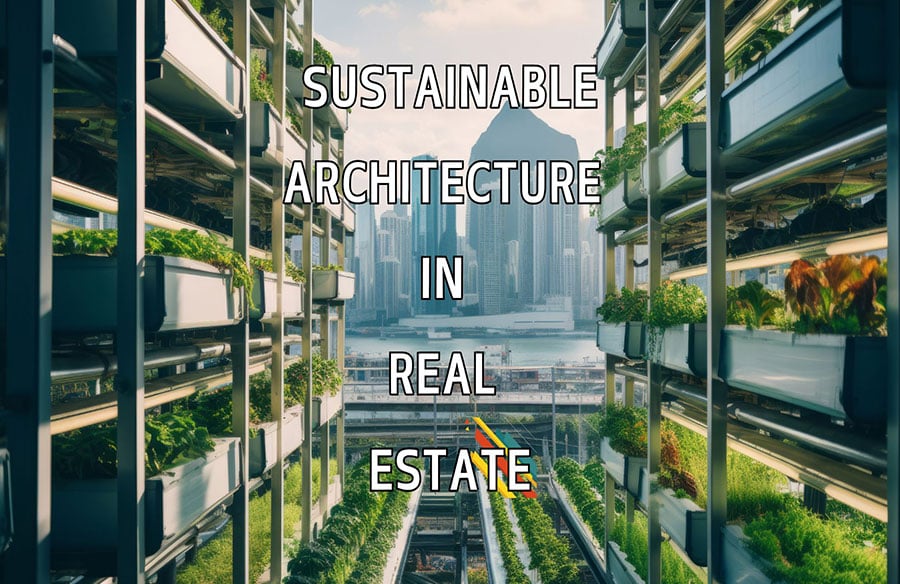
The construction industry stands at a turning point. What was once viewed as a resource-intensive sector now leads the charge toward environmental responsibility. This shift isn’t just about being green – it reflects a deeper understanding of how buildings shape our future.
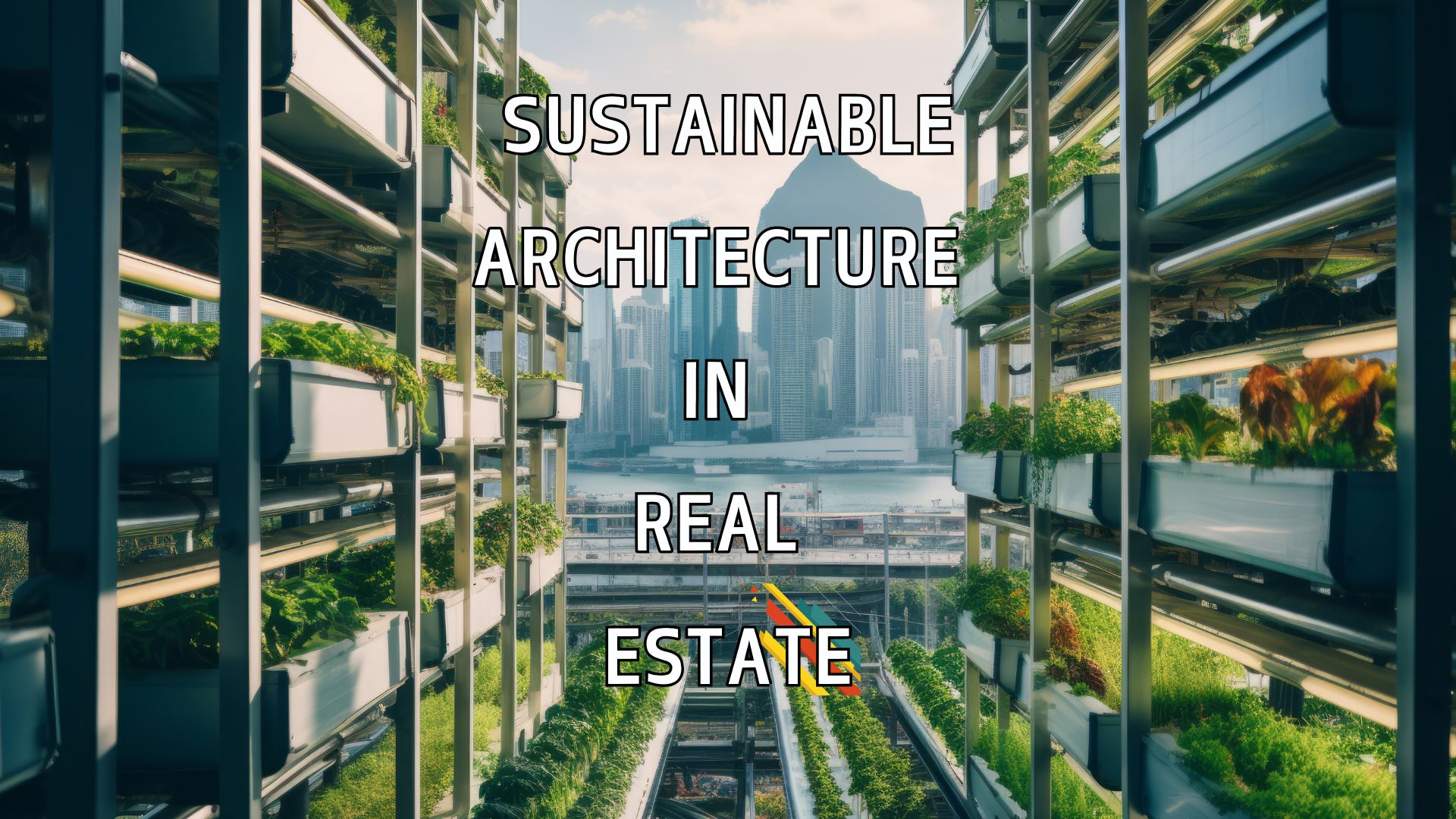 From first-time homebuyers to seasoned investors, people increasingly choose properties that promise both environmental benefits and practical advantages, like reduced utility costs and healthier living spaces. As our climate challenges mount, this evolution in building design has become essential rather than optional.
Understanding Green Building: Core Elements
 Creating truly sustainable buildings requires careful attention to several vital components. These elements work together to form the backbone of modern eco-conscious construction:
Building Blocks of Sustainability
The journey toward greener buildings begins with thoughtful material selection. Forward-thinking builders now turn to options like salvaged wood, fast-growing bamboo, and steel made from recycled sources.
These choices reduce pressure on natural resources while maintaining structural integrity. Take bamboo – its rapid growth and remarkable carbon absorption make it particularly valuable.
Similarly, newer concrete formulations deliver the needed strength while producing fewer greenhouse gasses than their traditional counterparts. These material choices set the stage for environmental responsibility from day one.
Power Smart Design
Modern sustainable buildings put energy efficiency front and center. Picture homes equipped with intelligent systems that adjust lighting and temperature based on actual usage patterns. Learning thermostats fine-tune settings to match daily routines, eliminating waste.
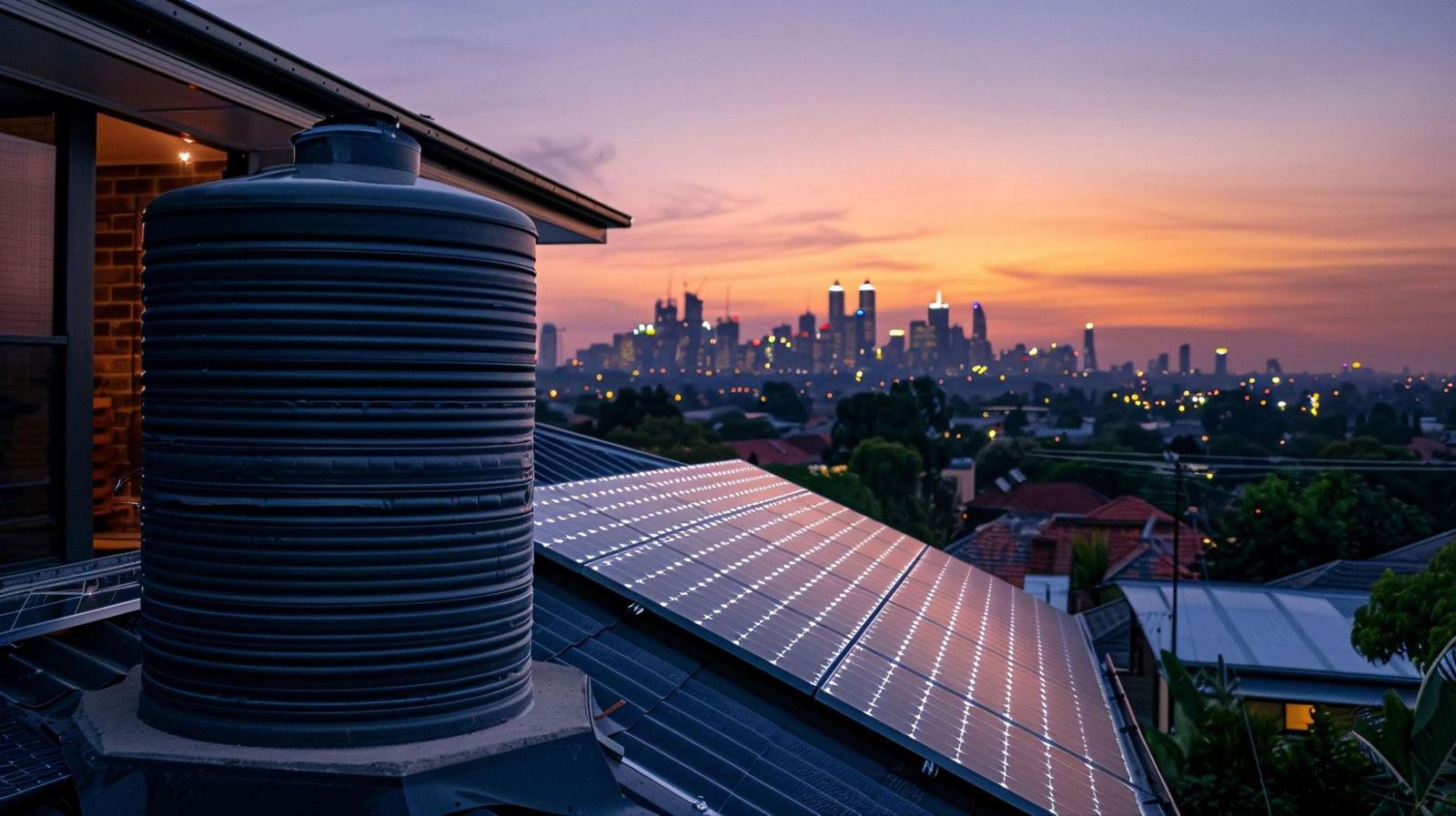
Rooftop solar arrays transform sunlight into clean power, breaking dependence on fossil fuels. Even the building’s basic design plays a role – careful orientation captures natural light and warmth, while strategic ventilation reduces cooling needs. These features work silently to slash energy demands.
And keeping all that in mind, Michael E. Reynolds a famous American architect said, “If every building made its own power, heated and cooled itself, and caught its own water, the ramifications of how people live in their own units could affect things in an unbelievable way”.
Water Wisdom
With water becoming increasingly precious worldwide, sustainable buildings incorporate creative solutions to reduce consumption. Advanced systems capture rain for gardens and household needs, while clever plumbing reuses sink and shower water for appropriate purposes.
Modern fixtures deliver strong performance while using significantly less water – think dual-flush toilets and precision faucets. These innovations help preserve our water resources without sacrificing comfort or convenience.
The Green Building Revolution: Market Impact and Beyond
The surge in eco-friendly home construction isn’t just environmental idealism – it’s reshaping real estate markets. Today’s buyers actively seek properties that blend environmental consciousness with practical benefits, transforming how we value and invest in buildings across every sector.
Market Value Meets Environmental Value
Properties boasting green credentials like LEED or BREEAM certification turn heads in the marketplace. These aren’t just fancy labels – they signal real benefits that buyers value: lower running costs, healthier spaces, and future-ready design.
Smart investors recognize these features translate to stronger property values over time. As awareness grows, these certifications increasingly influence purchase decisions and property valuations across residential and commercial markets.
Breaking Down the Numbers
Sure, building green costs more upfront. But look closer – those initial costs quickly pay for themselves. Modern appliances slash energy bills. Solar panels generate free power. Smart water systems cut usage.
Factor in government incentives and tax breaks for eco-upgrades, and the math becomes compelling. Homeowners watch their bills shrink while helping the planet. Even better, many green features start paying back immediately through reduced operating costs and increased comfort.
Building for Tomorrow’s Weather
Our changing climate demands smarter building approaches. Tomorrow’s structures must handle whatever weather comes their way, while maintaining comfort and safety for occupants through increasingly unpredictable conditions.
Ready for Anything
In flood-prone spots, buildings now perch higher, with clever landscaping that soaks up excess water. Coastal homes sport hurricane-resistant features. Hot climates call for cool roofs, smart cooling, and materials that laugh at heat waves.
These aren’t just precautions – they’re investments in lasting durability. Each feature works together to create resilient structures that protect both people and property value.
Spaces that Shape-Shift
Smart sustainability thinks beyond just materials and energy. Take flexible spaces – rooms that transform as needs change. Today’s home office might become tomorrow’s playroom or workout space.
This adaptability means less waste, smarter resource use, and buildings that stay relevant year after year. Designers now plan for multiple use scenarios, ensuring spaces remain valuable as occupant needs evolve.
Success Stories in Sustainable Design
 Want proof that green building works? Check out these game-changers:
Seattle’s Green Giant
Seattle’s Bullitt Center shows what’s possible when we dream big. This powerhouse generates its own electricity, harvests rain like nature’s own water bill, and wastes practically nothing. It’s living proof that commercial buildings can lead the eco-revolution.
The center serves as a living laboratory, demonstrating how ambitious environmental goals can be achieved in real-world applications.
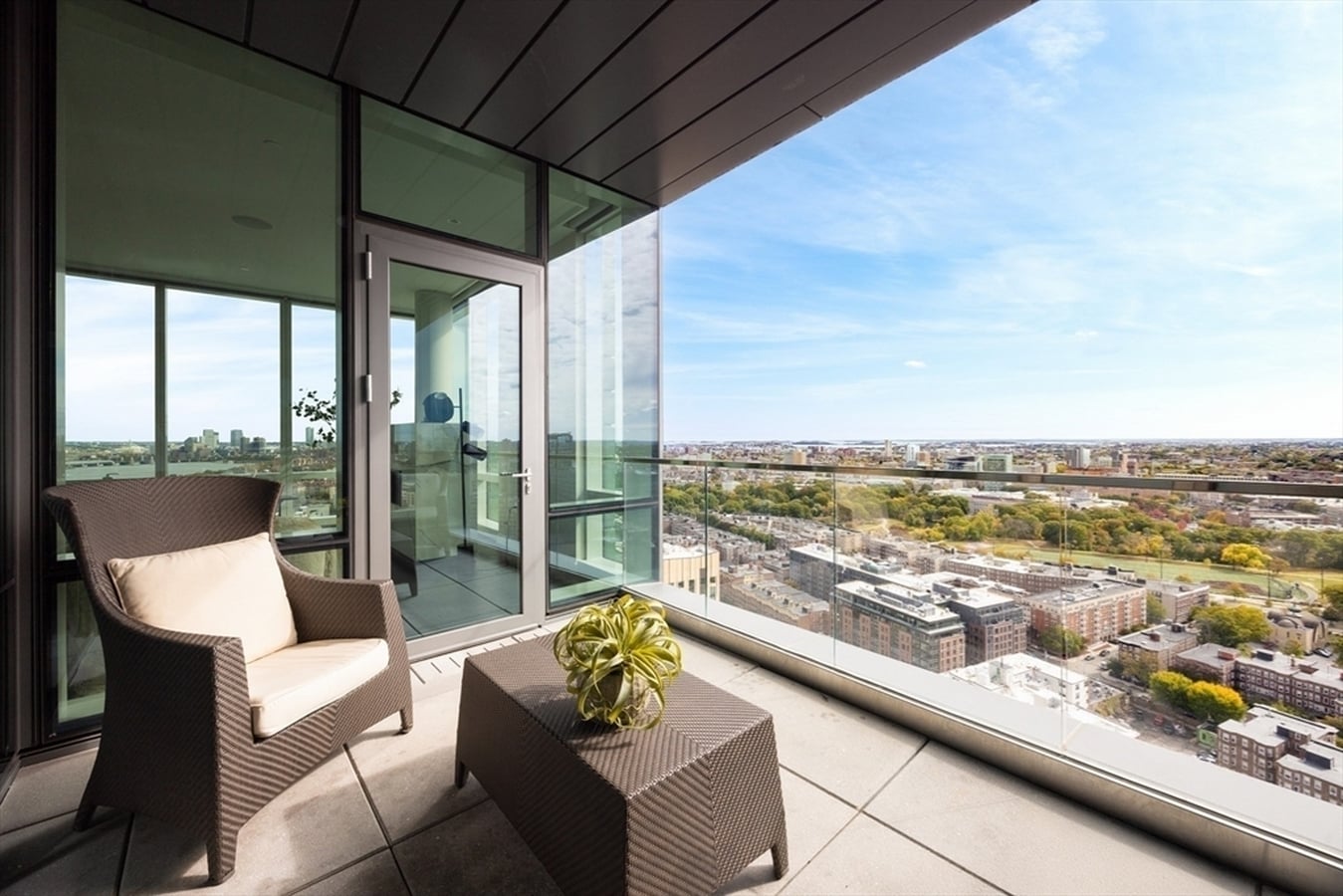
However, you can find some other greenish eco design based real estate in the USA. All you need to do is to go to any top real-estate website and look for the desired one. There are many websites where you can find the best Sustainable architecture in real estate that is future-proofed with eco-design.
“Incorporating sustainable materials and energy-efficient systems not only boosts property value but also aligns with evolving buyer expectations for eco-friendly living,” commented Seth Williams, founder of Reference Real Estate.
London’s Green Village
Over in London, BedZED breaks new ground in community-scale sustainability. Think solar-heated homes with triple-pane windows and shared energy systems that slash consumption.
It’s not just housing – it’s a blueprint for better living that proves eco-friendly communities work in the real world. Residents enjoy lower bills, stronger community bonds, and the satisfaction of pioneering sustainable urban living.
Breaking Barriers: The Truth About Green Building
Let’s tackle the elephant in the room – sustainable building faces real hurdles. Understanding these challenges helps us move past them.
Money Talks: The Cost Conversation
Yeah, green buildings often cost more upfront. Critics love pointing this out. But here’s what they miss: these buildings pay you back, and then some. Lower energy bills. Smaller water costs. Less maintenance headache. Plus, governments sweeten the deal with incentives. Smart money looks at the whole picture, not just the price tag.
Busting Green Building Myths
“Green means boring.” “Eco-friendly can’t be luxurious.” Heard these before? Pure nonsense. Today’s sustainable buildings turn heads. Architects blend earth-friendly features with knockout design. Modern green homes prove you can have both style and sustainability. Time to throw these old myths out the window.
Making It Happen: Rules and Rewards
 Rules shape the game in real estate, and they’re pushing us green. Most of the architectures are now looking for a better eco friendly design where nature and tech merged together.
Building Better by Law
New rules mean builders must think green. Energy efficiency? Required. Water conservation? Check. Sustainable materials? You bet. These codes aren’t just paperwork – they’re pushing the whole industry toward smarter building practices.
Sweet Deals for Going Green
Governments get it: we need greener buildings. So they’re making it worth your while. Install solar? Here’s a tax break. Upgrade to efficient systems? Have a rebate. These perks help folks make the jump to sustainable living.
Why Tomorrow’s Buildings Must Go Green?
This isn’t some passing fad. Buildings pump out serious emissions, and that’s got to change. Green design isn’t just nice to have – it’s crucial. It cuts costs, helps our planet, and creates healthier spaces for everyone. As more people demand eco-friendly properties, the market must deliver.
That’s why the most renowned architects of the 20th century, Frank Lloyd Wright said, “Study nature, love nature, stay close to nature. It will never fail you.”
Building Tomorrow Today
Sustainable architecture leaves a legacy worth having. Our buildings must evolve to face climate change, resource limits, and growing demand for healthier spaces. Everyone plays a part – developers drawing plans, officials making rules, homeowners making choices. We’re not just putting up buildings; we’re creating tomorrow’s world. The path forward? It’s green, and it’s already here.