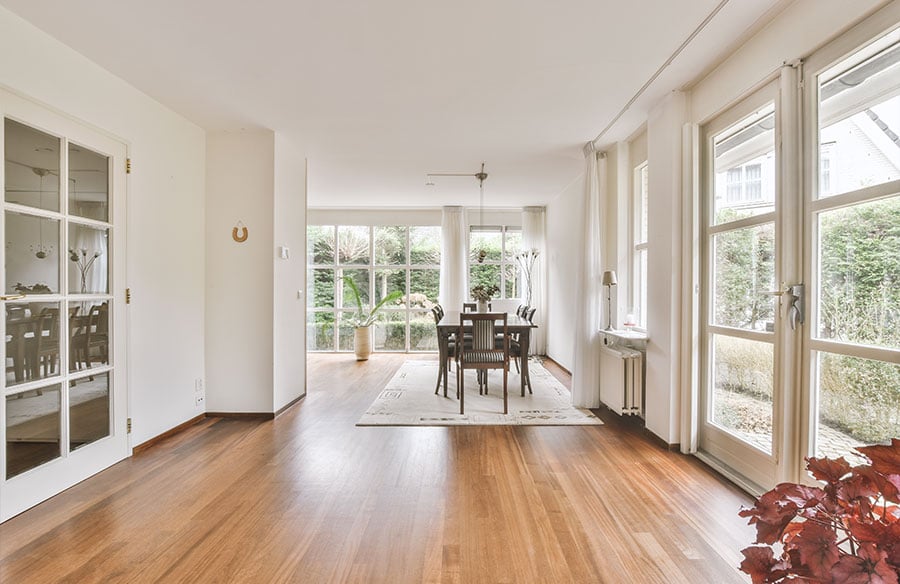
Choosing the right flooring can significantly impact your home’s aesthetics, functionality, and overall value. Hardwood floors remain a top contender for homeowners seeking timeless beauty, durability, and versatility. Their natural appeal and long-lasting performance make them a premium choice for a variety of interior styles. However, with many other flooring materials available, such as tile, carpet, vinyl, and laminate, it’s essential to evaluate the unique benefits and drawbacks of each. By understanding how hardwood compares to these alternatives, you can make an informed decision tailored to your lifestyle, budget, and preferences. This guide will help you weigh the options and identify the best flooring solution for your home.
Why flooring choices matter
Although flooring choices are essential for both the aesthetics and functionality of your home, selecting the right type for each space can be a balancing act. The flooring you choose will depend on the specific needs of each room. For high-traffic areas like entryways or hallways, durability and ease of maintenance are key considerations.
When selecting flooring for these high-traffic areas or places prone to spills, durability becomes the primary factor. In this context, generic flooring options like vinyl, tile, or laminate stand out for their ability to withstand wear and tear. These materials are durable and can easily handle the demands of busy households while maintaining their appearance for many years. Maintenance is another important consideration; while some types of flooring may require regular upkeep, others like vinyl or tile are generally low-maintenance and simple to clean. They are also often hypoallergenic, making them suitable for homes where allergies are a concern.
Budget plays a significant role in flooring decisions as well. Although materials like hardwood may come with a higher upfront cost, other flooring options, such as vinyl or laminate, can be more affordable initially while still offering long-lasting durability. Choosing the right flooring for your space ensures that your home is not only beautiful but also functional and enduring, catering to both your style preferences and practical needs.
Hardwood floors vs. other floors: direct comparison
Celebrated for their classic look, longevity, and capacity to raise house value are hardwood floors. For other situations, though, other flooring materials including tile, carpet, vinyl, and laminate have clear benefits. Knowing the advantages and disadvantages of every alternative will enable you to select the best fit for your house.
Hardwood floors vs. tile flooring
Perfect for kitchens, baths, and laundry rooms, tile flooring is commonly selected for its water resistance and great longevity. Because they are scratch and stain resistant, porcelain and ceramic tiles are especially in demand. But underfoot, tiles can feel chilly and rough, therefore compromising the comfort of homes. On the other hand, hardwood flooring provides a sense of elegance and warmth not possible from tile. Although hardwood needs more maintenance in places with plenty of moisture, its ability to be refinished adds to its lifetime and adaptability. Where comfort and design rule, hardwood’s natural texture and visual attractiveness usually make it the favored choice for living areas and bedrooms.
Hardwood floors vs. carpet
Those looking for softness and warmth will find a traditional flooring choice in carpet. Its comfort and sound-dampening qualities make it common in family rooms and bedrooms. But carpets stain easily, wear, and trap allergens, so they need frequent cleaning and finally replacement. For long-term value, hardwood flooring is a better option because they are hypoallergenic, easy to clean, and significantly more resilient. Although hardwood lacks the natural comfort of carpet, adding area rugs can have the same impact without sacrificing appearance or cleanliness. Unlike carpet, which could become antiquated with time, hardwood also provides a classic look that fits evolving interior trends.
Hardwood floors vs. vinyl flooring
Affordability, water resistance, and simplicity of installation have helped vinyl flooring become rather popular. It’s a sensible option for high-moisture spaces like kitchens and bathrooms since it resembles natural materials like stone or wood. But vinyl lacks the authenticity and texture of hardwood flooring, which provide a degree of value and refinement unparalleled by synthetic substitutes. Vinyl cannot be repaired unlike hardwood, hence it must be replaced totally when worn. Although vinyl flooring could be appropriate for low-cost restorations, hardwood flooring offers better lifetime, elegance, and resale value, therefore making them a worthy investment for homes driven by quality and appearance.
Hardwood floors vs. laminate flooring
With a photographic layer that mimics wood, laminate flooring presents a reasonably priced substitute for hardwood. It is pet-friendly and appropriate for households with heavy foot traffic as well as scratch-resistant. Laminate cannot be refinished, though, and its synthetic character results in less depth, texture, and authenticity than that of real hardwood. Laminate could exhibit wear over time and need replacement; hardwood floors can be refinished to bring them back to their natural beauty. Although laminate flooring has a pleasing starting cost, homes who value quality and timeless beauty will find hardwood to be a better option because of its lifetime and natural attractiveness.
How to find high-quality hardwood flooring
Investing in high-quality hardwood flooring is essential for achieving a durable and visually stunning result. Start by exploring trusted suppliers like flooring experts who offer a wide selection of hardwood types, including solid and engineered options. Consider the characteristics of different wood species, such as oak, maple, or walnut, and choose finishes that align with your home’s style and maintenance preferences. Professional installation is key to maximizing the longevity and appearance of your hardwood floors, ensuring proper alignment and stability. Regular care, including cleaning with wood-safe products and periodic refinishing, will preserve the beauty of your floors for decades. With the right supplier and proper upkeep, hardwood floors can transform your home into an elegant, welcoming space.