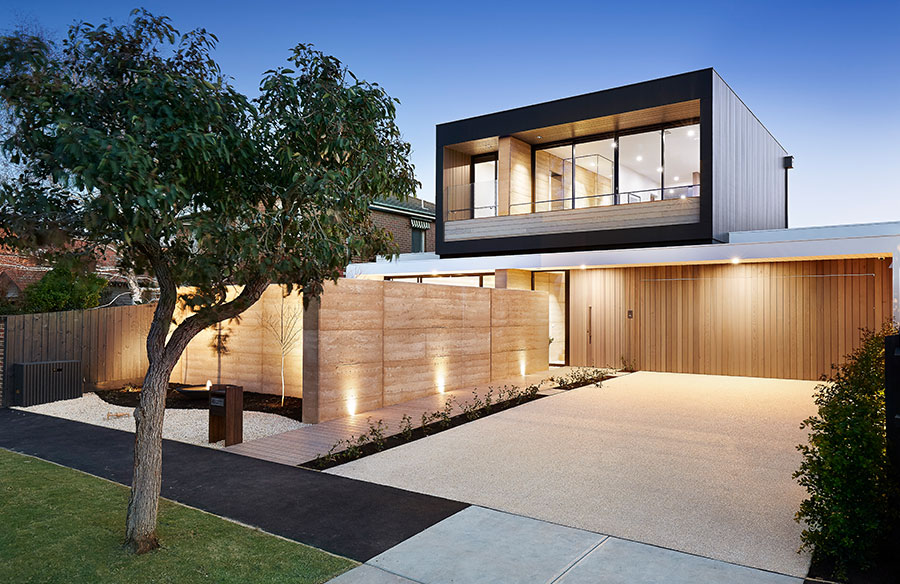
You know, the outside of a building really says a lot about it. It is the first thing people notice—like, the first impression you make when meeting someone new.
And honestly, with buildings, that impression kind of sticks.
Over the years, I have seen how external cladding can completely change how a structure looks and feels. It is not just about looks, though – it is also about protection and performance.
That’s why I always recommend my clients to use the best quality external cladding products. They are more durable + offer better protection.
In this blog, I’ll walk you through everything I know about external cladding – from what it is to modern ideas you can use in your next project.
What is external cladding?
Okay, so first things first—what is external cladding?
To put it simply – it is like a protective coat or layer for a building. It is installed on the outside of walls to protect them from weather + improve insulation + honestly just make them look better. There are so many materials you can choose from—wood, metal, stone, or even composite panels. There is something for everyone’s style and budget.
And the best part? It is so versatile. Whether you are redoing an old house, building a sleek, modern home, or even working on a fancy commercial space – there is an external cladding type that fits perfectly.
Why should you go for external cladding?
Cladding is not just about making things look pretty. Although, let’s be real – that’s a big part of it. But there is more to it—like, a lot more. Here is why external cladding has become such a big deal in modern architecture…..
Protection from weather
Weather is unpredictable. Cladding helps keep your building safe from harsh rain + scorching heat + even wind damage. It works like a shield—your building’s first line of defense.
Better energy efficiency
Certain types of external cladding, like insulated panels or fiber cement boards – help with temperature control. It keeps your space cool in summer and warm in winter.
Easy to maintain
Some external cladding materials are low-maintenance. For example – aluminum doesn’t need constant repainting – and fiber cement stays pretty much the same for years.
Looks amazing
This one is obvious. A well-chosen cladding material can totally transform a plain, boring building into something that catches everyone’s eye.
Adds value
Let’s be real—anything that makes a property look good and function better increases its value. External cladding does exactly that.
Did you know? External cladding is one of the best ways to boost curb appeal. And guess what? Improving curb appeal can make your property up to 10% more valuable.
With these benefits in mind – let me share some modern cladding ideas I have seen (and loved).
10 amazing external cladding ideas
Single lock cladding
I will start with one of my personal favorites – single lock cladding. It is sleek + clean + modern. The other name for this type is standing seam cladding – and honestly, that name makes sense when you see it—it has a smooth design that makes buildings look polished and high-end. What I love most about it is how watertight it is. Seriously, if you live somewhere with heavy rain or unpredictable weather – this cladding is best.
Another thing to mention is its versatility. Single lock cladding works on both walls and roofs – so you can achieve this continuous, flawless design across the whole structure. It is also perfect for anyone who is into minimalism. The simple, straight lines give off such a contemporary vibe – and they pair so well with glass or concrete accents.
On a practical note – single lock external cladding is not just about looks—it is also functional. It provides insulation – which helps keep your energy bills in check.
Weatherboard cladding
Have you ever visited a charming little coastal town or a countryside cottage? Chances are you have seen weatherboard cladding. It is a classic, no-frills option that gives homes a warm, inviting look. Usually made from timber or vinyl – weatherboard cladding has been around for ages, and for good reason—it works!
What I love about weatherboard is its adaptability. You can paint it any color you like – which makes it perfect for people who want to inject some personality into their home’s exterior.
Another plus? It is practical, too. Weatherboard is great for insulation – which means your home stays cozy in winter and cool in summer. Plus, if you go with vinyl – it is low-maintenance and can withstand the elements without much upkeep.
Natural stone cladding
Now, let’s talk about natural stone cladding – because if you want to add a sense of timelessness to your project – this is the way to do it. Stone has this classic, earthy vibe that feels so grounded and authentic. I have worked on a couple of projects using natural stone for feature walls or building exteriors – and the results were absolutely stunning. There is just something about that texture—it adds depth and character to any structure.
What’s amazing is how well stone pairs with other materials. For instance – combining stone with timber gives a really cozy, rustic look while pairing it with steel creates this cool industrial edge. The possibilities are endless.
One thing to keep in mind is the weight of natural stone. It can be heavy and might require a bit more effort to install – but trust me, it is worth it. Once it is up, it lasts forever. Plus, stone doesn’t just look good—it is also very durable and resistant to weather. This makes it a solid investment.
Brick cladding
Brick cladding is a great choice—literally and figuratively. It is one of those materials that never really goes out of style. Whether you are going for a rustic farmhouse look, a traditional vibe, or even something more industrial and edgy – bricks can do it all.
What I appreciate about brick external cladding is its durability. It is built to last and can handle pretty much anything nature throws at it. On top of that – bricks are fantastic for insulation. They help regulate indoor temperatures – keeping things nice and comfortable no matter the season.
One thing to note is that brick cladding isn’t just limited to red bricks. These days, you can find bricks in all sorts of colors – from sleek charcoal to warm beige tones. It fits in almost any setting.
Fixed batten cladding
Want to try something a little different? Fixed batten cladding is such a unique option. This style involves vertical or horizontal battens (usually made from timber or metal) that are spaced apart to create this cool, layered effect.
What I love about batten cladding is how much depth it adds to a building. It is modern but not overly flashy. This makes it a great choice for anyone looking to stand out without going overboard. Plus, depending on the material you choose – it can give off completely different vibes—wood feels warm and natural – while metal feels sleek and industrial.
Aluminium cassette cladding
If you are after a modern look – aluminum cassette cladding might just be the answer. This type of cladding is lightweight yet incredibly strong – making it a favorite for commercial buildings and high-end residential projects.
What I find really cool about aluminum cassette cladding is the range of finishes and colors you can choose from. You get bold, bright colors + sleek metallic finishes. Plus, aluminum is resistant to rust and corrosion – which is a huge bonus if you are in an area with a lot of moisture or salt in the air.
Brick veneer cladding
Brick veneer cladding is like the smarter, lighter cousin of traditional brick cladding. It gives you that classic brick look without the weight or hassle. I have used brick veneer on a renovation project before – and honestly, my clients loved it.
What’s great about brick veneer is that it is easy to install – which makes it more cost-effective, too. It also includes a gap between the cladding and the wall. This helps with insulation and moisture control. So, you are not just getting a pretty exterior—you are getting functionality too.
Perforated sheet cladding
Finally, let’s talk about perforated sheet cladding. This is one of the most creative options out there. The panels have patterns of holes or cut-outs – which create stunning light and shadow effects as the sun moves throughout the day.
Perforated sheets are not just for show, though—they are also practical. They provide ventilation and can even act as a sunshade in certain designs. I have seen them used in everything from libraries to residential homes – and they always manage to draw attention.
Fiber cement boards
Fiber cement boards are another solid choice. They are tough + durable + can handle just about anything. Whether it is heavy rain, high winds, or even fire – fiber cement boards can stand up to it all.
One of the best things about fiber cement is that it is low-maintenance. You don’t have to worry about rot, pests, or constant repainting. And this is a huge plus if you are looking for something long-lasting.
Formed steel cladding
If durability is your top priority – go for formed steel cladding. It is strong and can handle even the harshest conditions – which is why it is often used in rural or industrial settings.
What’s surprising about steel cladding is how stylish it can be. With the right finish or coating – steel can look sleek and modern. It is a great choice for contemporary homes as well.
Choosing the right external cladding products
Here is the thing – not all external cladding materials are created equal. So, it is important to pick the right one based on your –
- Climate
- Budget
- And what you are building
I always tell people to research external cladding products carefully.
A bad choice can lead to problems later – like high maintenance costs or even structural damage.
So, take your time and don’t rush it.
From my experience – the best results come when you combine aesthetics with functionality.
So, don’t settle. Take your time to find what works for you – and see how it can change the entire appearance of your property.