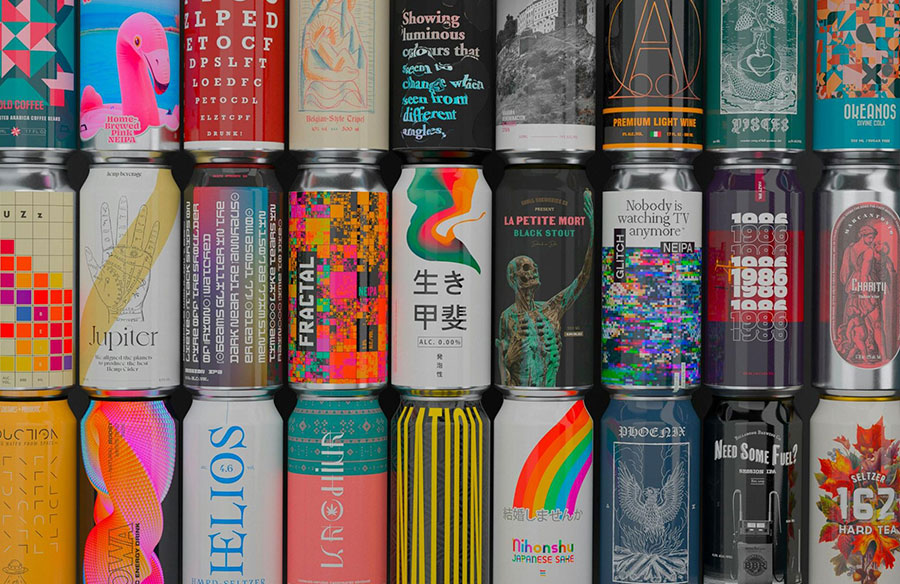
Meta Description: Read on to learn the power of storytelling through product packaging and the positive impact it can have on the development of your brand.
There is no denying that the retail industry is a highly competitive market, with thousands of companies and brands trying to stand out from their nearest competitors. Whether you operate online, in traditional brick-and-mortar stores, or a combination of both, one of the biggest goals of any business is finding effective and unique ways to leave a lasting impression on potential consumers and build a loyal customer base.
While some businesses may treat their packaging as an afterthought, successful companies around the world understand the power of using packaging as a storytelling tool. This allows brands to connect with customers on a more personal level, evoke powerful emotions, and clearly communicate their values, heritage, and social responsibilities, which encompass their narrative.
Embrace the Narrative
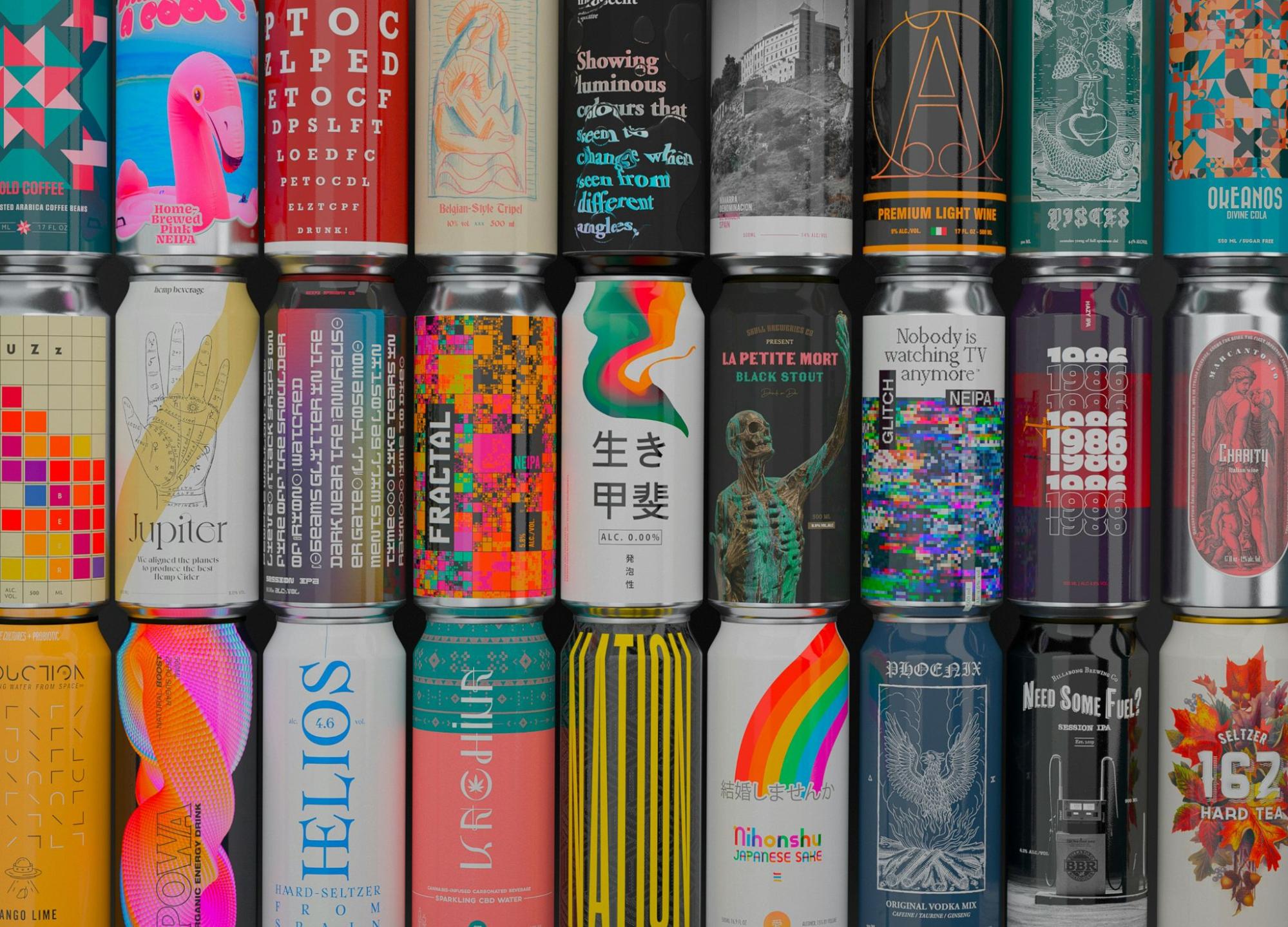
In its simplest form, storytelling through brand packaging involves creating and communicating a narrative that connects with consumers and evokes an emotional response. By combining visual elements like images, typography, texture, and color, brands can craft a compelling story that highlights their values, core beliefs, heritage, and unique selling positions.
This narrative could include tapping into the familiarity of nostalgia, showcasing a brand’s journey, or championing the origins and ingredients of their products. When done right, this storytelling can captivate a wide range of different customers and support a loyal consumer base.
Focus On Details
Designing the perfect brand packaging requires balancing aesthetic appeal and functionality. Brand packaging is not simply about creating something visually appealing. It is more about creating a product that clearly communicates the brand’s values and essence while serving a very practical purpose.
The materials used, the texture of the package, the color palette, typography, and finishing details all contribute to the final product and the overall experience of the customer when they interact with your brand. It is crucial to select high-quality designs and materials that align with your brand’s identity and match the overall feel of the product itself. Your end goal should not only be to create a package that will protect your item but also something that will perfectly communicate the story of your company.
Evoke Curiosity & Intrigue
An effective outcome of storytelling in package design is piquing the curiosity and interest of potential customers. When done right, unique, engaging, and compelling packaging designs will draw interest and encourage people to explore further, leading them to the story and brand behind this unusual product.
Whether it is because of clever imagery, interactive details, eye-catching designs, color usage, or a catchy slogan or phrase, these unique elements can convey your brand’s identity while sparking curiosity and improving engagement. Including hidden easter eggs or clever puzzles within your packaging designs will allow customers to spend more time with your product, getting to know your brand better, and building a connection with your story.
Create Emotional Connections
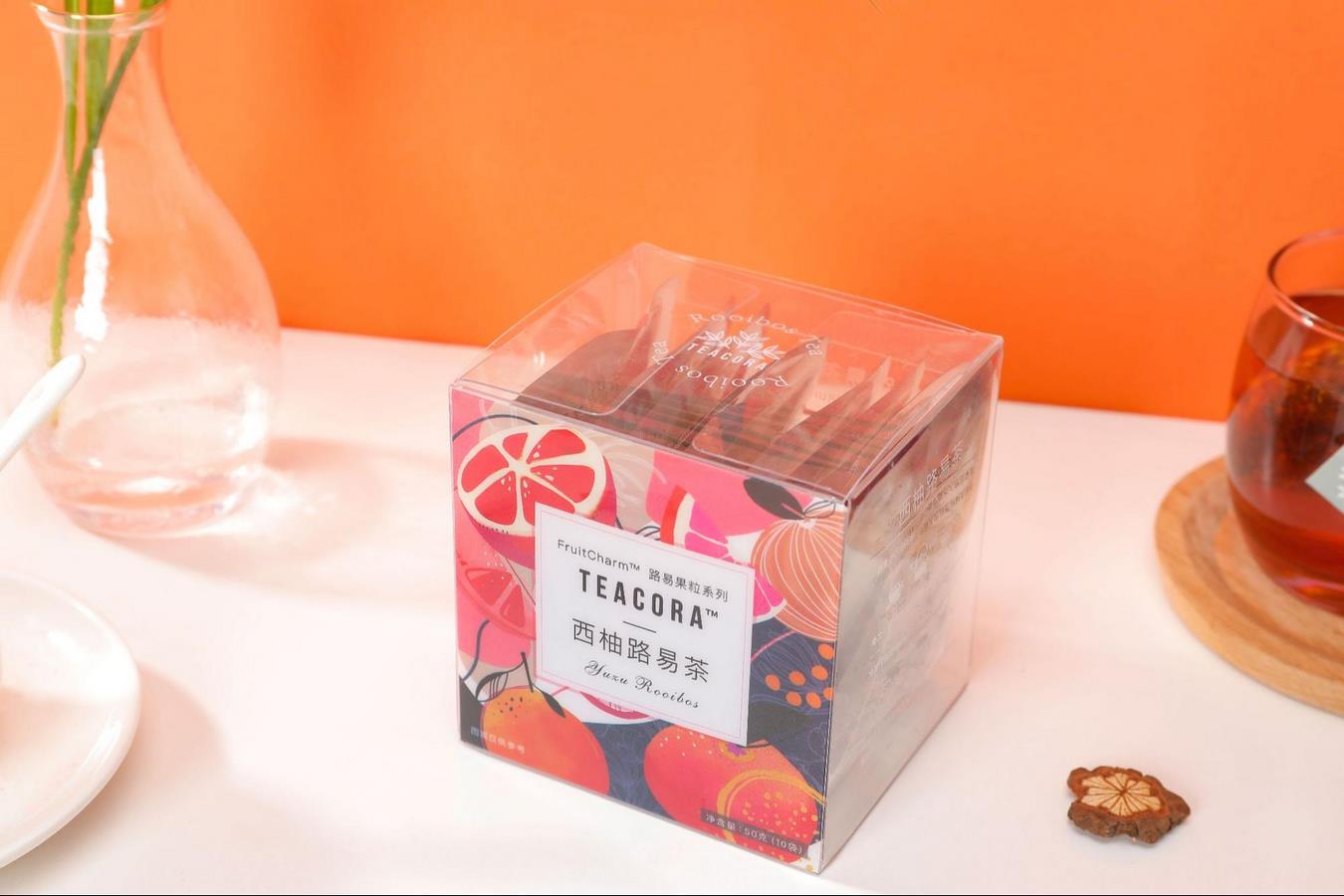
One of the biggest tactics of storytelling through packaging surrounds creating and fostering an emotional connection between a brand and its customers. By focusing on universal emotions like happiness, curiosity, and nostalgia, a brand can establish a strong connection with the public, leaving a memorable and lasting impression.
Over the recent years, there has not been a more effective trend across multiple industries than the power of nostalgia. Many brands across various markets are embracing the familiarity and comfort of our childhood memories by designing brand packaging that feels like an old friend you are ready to reconnect with.
The Impact of Sustainability
Adopting sustainable and eco-friendly business practices and models has never been more important than it is today. Consumers are continuing to flex the power of their dollar by showing loyalty towards companies and brands that have vocally committed to playing their part in the protection and support of the natural world by lowering their carbon footprint, switching to green production methods, sourcing ethical raw materials, eliminating animal testing and ensuring workers are paid a fair and living wage across the entire supply chain.
Package design is the ideal place to convey these values and commitments to potential customers, as products in stores are often the first point of contact between consumers and businesses. According to McKinsey & Company, 60-70% of consumers are willing to pay more for sustainable packaging, further justifying the need for brands to invest in sustainable options that convey their dedication to environmental responsibility.
Consider the Product’s Journey
When designing product packaging, it is worthwhile considering the multiple perspectives a product encounters throughout its journey from the factory floor to a customer’s home. A study conducted in 2018 revealed that 72% of surveyed American consumers stated that the design of product packaging influenced their shopping habits, while 67% of the group said the materials used would play a role in their purchasing decisions.
Packaging design should not only be influenced by how it will look in a customer’s hand. Instead, companies need to imagine how it looks sitting on the shelf in the store and how it is perceived compared to its competitors. By understanding how your target audience chooses to shop, you can guarantee that your packaging stands out enough to grab their attention and clearly conveys the contents of the product itself.