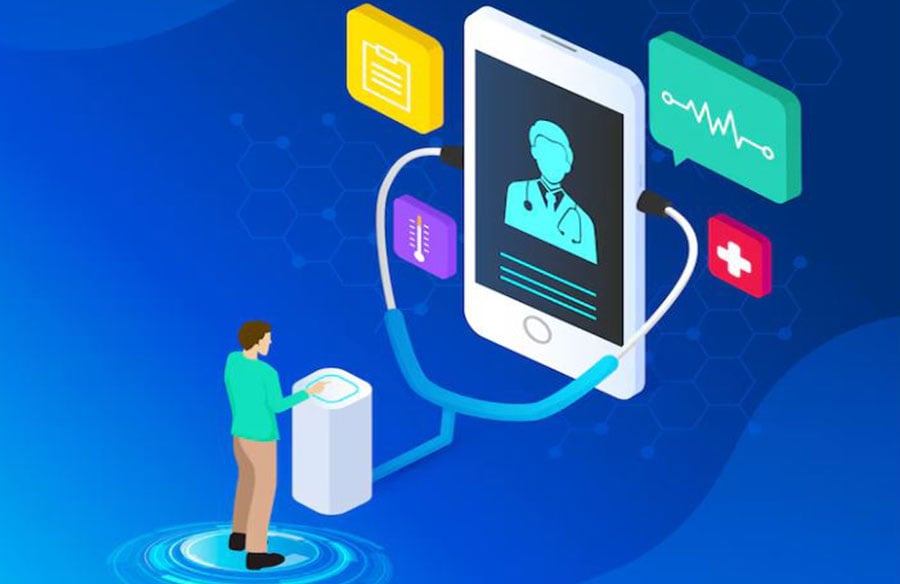
Discover how AI and natural language processing are transforming healthcare through conversational AI. Explore use cases, benefits for healthcare providers, and future trends in medical AI chatbot technology.
Introduction
The integration of generative AI in healthcare is revolutionizing patient care, communication, and administrative tasks. Among these advancements, conversational AI powered by natural language processing (NLP) is making a significant impact. From automating appointment scheduling to providing real-time medical guidance, conversational AI, such as a medical AI chatbot, is becoming an indispensable tool for healthcare providers.
How Conversational AI Benefits Healthcare Providers
Streamlining Administrative Tasks
Healthcare providers often face overwhelming administrative workloads, which detract from patient care. Conversational AI can help by:
- Automating appointment scheduling: Patients can book, reschedule, or cancel appointments through chatbots.
- Answering frequently asked questions: Reduces the time staff spends on repetitive inquiries.
For example, a medical AI chatbot can manage thousands of patient queries simultaneously, allowing staff to focus on critical cases.
Enhancing Patient Interaction
AI chatbots can provide patients with instant, accurate responses to their health concerns. Features include:
- Symptom checking: Conversational AI evaluates symptoms and provides advice on whether to seek medical attention.
- Medication reminders: Ensures adherence to prescribed treatments.
A study published on PubMed highlights how AI-driven tools improve patient engagement and satisfaction by offering consistent, reliable guidance.
Real-World Use Cases of Conversational AI
Telemedicine Support
With telemedicine becoming mainstream, conversational AI is playing a critical role in triage. Before a consultation, a chatbot can gather patient information, summarize it, and pass it to the physician, saving valuable time.
Mental Health Support
Mental health care providers are leveraging conversational AI to offer 24/7 support. Chatbots equipped with NLP can detect emotional cues and provide appropriate interventions, ensuring patients receive timely care.
For instance, the Frontiers in Medicine journal showcases how mental health chatbots have reduced the gap in accessibility to therapy for underserved populations.
The Future of Conversational AI in Healthcare
As AI technology evolves, the capabilities of conversational tools will expand. Future trends include:
- Personalized virtual assistants: Tailored AI solutions for chronic disease management.
- Multilingual support: Breaking language barriers to improve global healthcare access.
- Integration with wearable devices: Real-time health monitoring and proactive care through AI-driven analysis.
Healthcare providers who adopt conversational AI, such as a medical AI chatbot, stand to improve operational efficiency and patient outcomes significantly.
Conclusion
Generative AI and NLP are ushering in a new era for healthcare. Conversational AI is not only enhancing patient interactions but also empowering providers with tools that optimize their workflows. As adoption increases, these solutions will play an integral role in delivering accessible, personalized care.
Start exploring the benefits of a medical AI chatbot today and revolutionize your healthcare operations.