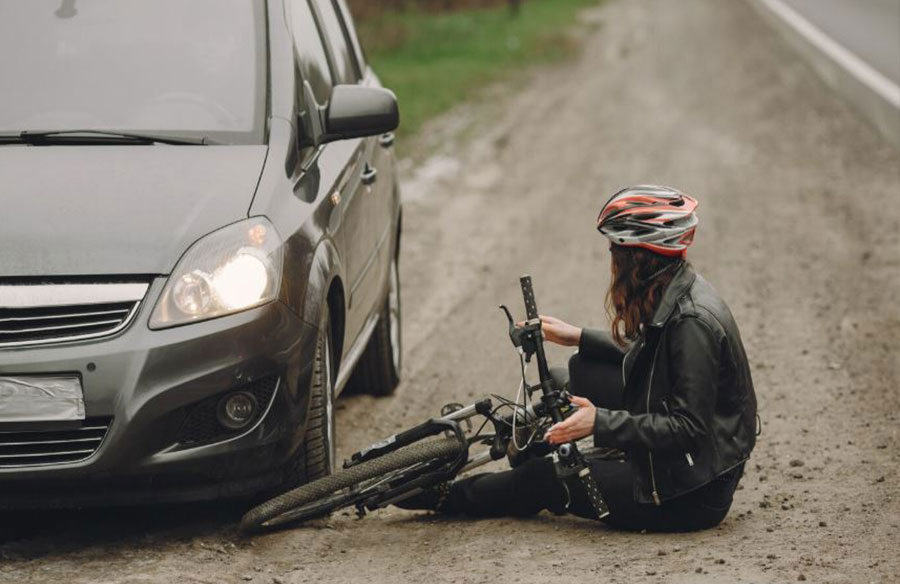
Cycling is becoming a popular way to get around. It is good for your health and helps the environment. However, cyclists face serious risks on the road, especially in cities where parked cars are common. One of the most dangerous situations is being “doored.” This happens when a driver or passenger opens a car door and hits a cyclist who is coming by. Even at low speeds, these accidents can cause serious injuries. Cyclists have no physical protection, which makes it more dangerous.
When a cyclist is doored, the impact goes beyond physical injuries. It can lead to emotional distress and financial issues. These accidents raise important questions about who is responsible and how to ensure safety. Knowing who is at fault and how to get compensation is crucial for protecting cyclists’ rights and promoting safer roads for everyone. Seeking legal assistance from a Broomfield bicycle accident attorney can help injured cyclists understand their rights, navigate complex legal processes, and secure fair compensation for their losses.
The Hidden Dangers of Door Zone Cycling
Cycling near parked cars can lead to dangerous dooring accidents. These accidents happen suddenly when a car door opens without warning. Cyclists have little time to react, which can cause them to lose their balance or crash into traffic. This risk increases in busy urban areas where bike lanes are close to parked cars. Even careful cyclists are at risk because of how close these lanes are to car doors.
Drivers and passengers often don’t check their mirrors or surroundings before opening car doors. This lack of awareness is a major cause of these accidents. For cyclists, this can mean serious injuries or even a life-changing event. It’s important to educate all road users to lower these risks and help cyclists and vehicles share the road safely. Public campaigns that promote safe door-opening techniques, like the “Dutch Reach,” can help address this issue.
Understanding Liability in Dooring Accidents
When a dooring accident happens, figuring out who is responsible is important for settling legal and financial problems. Usually, the person who opened the car door is liable because they did not check if it was safe to do so. Many traffic laws say that people in vehicles must not open doors unless it is safe. These laws help protect cyclists and other road users from sudden obstacles.
However, local laws and specific details about the accident can make it harder to decide who is at fault. For example, a driver might claim that the cyclist was riding too close to parked cars or going too fast to avoid the door. Cyclists should take notes about the scene, gather witness statements, and talk to legal experts to protect their rights and ensure the fault is identified correctly. Understanding the laws that apply to the situation can greatly affect the outcome of any claims.
The Physical Impact of Dooring Accidents
Dooring accidents can lead to serious injuries, including minor cuts, broken bones, head injuries, and spinal damage. Cyclists are especially at risk because they have less protection than people in cars. These accidents can cause sudden falls or collisions with moving vehicles, increasing the chance of severe injuries.
It’s crucial to seek medical help after a dooring accident, even if you feel fine at first. Some injuries, like concussions and soft tissue damage, may not show up right away. Keeping good medical records is important to support injury claims and help victims get the compensation they deserve. Cyclists should be aware of the potential long-term effects of their injuries to address both immediate and future health needs..
Psychological Effects of Being Doored
Being doored as a cyclist often goes beyond physical injuries; it can have significant psychological consequences. The emotional aftermath of such an accident can be profound and long-lasting, affecting a cyclist’s confidence and ability to ride again.
- Anxiety and Fear of Riding in Traffic
The suddenness and shock of the accident can lead to heightened fear or reluctance to ride in traffic, especially in busy urban areas where such incidents are more common. - Post-Traumatic Stress Disorder (PTSD)
Cyclists involved in severe or near-fatal dooring accidents may develop PTSD, experiencing flashbacks, nightmares, or severe emotional distress when recalling the event or encountering similar situations. - Loss of Confidence and Enjoyment
The trauma can diminish a cyclist’s sense of freedom and enjoyment of biking, replacing it with worry or dread. - Social Isolation
Some victims may withdraw from cycling communities or group rides, feeling embarrassed or overwhelmed by their experience. - Impact on Daily Life
The mental toll of the accident can disrupt routines, making it difficult for cyclists to focus at work or engage in other daily activities.
Steps Cyclists Should Take After a Dooring Accident
If cyclists are in a dooring accident, they should focus on safety and gathering information. First, they should move to a safe place, check for injuries, and call for medical help. It is important to collect evidence at the scene, like taking photos, getting witness contact information, and noting details about the vehicle involved. This information can support any legal claims.
Filing a police report and talking to a lawyer are also important steps. Lawyers can help cyclists through the claims process, deal with insurance companies, and ensure they get fair compensation for medical bills, lost wages, and emotional distress.
Strategies for Preventing Dooring Accidents
Preventing dooring accidents requires a team effort from cyclists, drivers, and passengers. Cyclists should stay a safe distance from parked cars, known as the “door zone,” and use bike lanes when they can. Being aware of their surroundings and anticipating possible dangers can also help cyclists stay safe. They should push for better road designs, like protected bike lanes, which keep bikes safer from parked cars.
Drivers and passengers also play a key role in preventing accidents. The “Dutch Reach” is a helpful technique where people use their far hand to open the car door, which encourages them to look over their shoulder first.
Advocating for Cyclists’ Safety and Rights
Dooring accidents show the need for better bike paths and legal protections for cyclists. Creating bike lanes that are separate from parked cars, improving traffic laws, and enforcing these laws more strictly can help reduce accidents. Advocacy groups are important in pushing for these changes, which make cycling safer.
If cyclists get doored, they should seek legal help to protect their rights. Good legal representation holds people accountable for careless actions and helps everyone understand the importance of sharing the road.