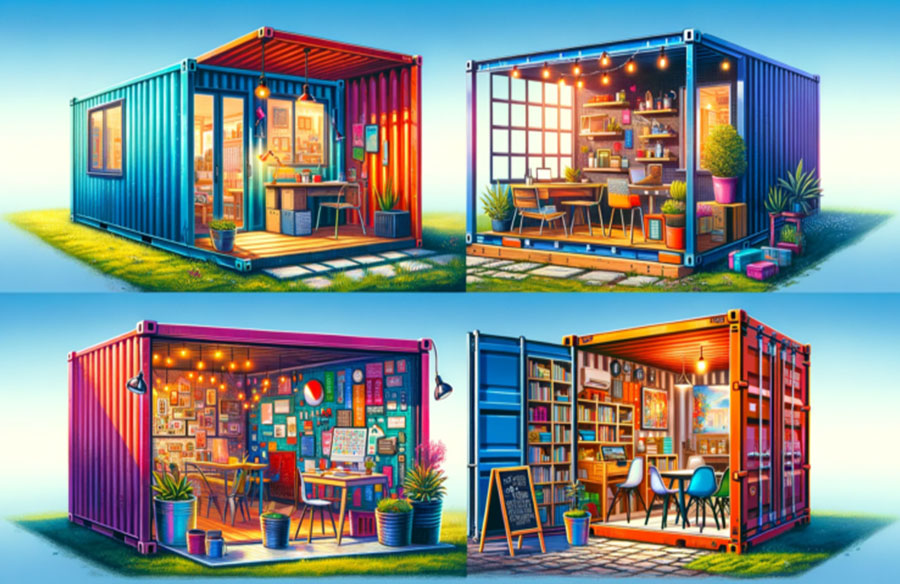
When considering purchasing a 40ft shipping container, it’s important to carefully assess your needs and understand the features, benefits, and challenges associated with such a significant investment. Shipping containers are versatile, used for a range of purposes, from storage to portable offices, homes, or even business units. Here’s everything you need to know before making a purchase.
Purpose of the Container
Before buying 40ft shipping containers, it’s crucial to clearly define its purpose. Shipping containers are adaptable and can serve a variety of functions, including:
- Storage: Ideal for secure storage of goods or equipment.
- Mobile Offices: Perfect for construction sites or remote locations.
- Living Spaces: Containers are often repurposed into homes or guest houses.
- Shipping or Transport: For businesses that require reliable transportation of goods.
Understanding its intended use will help you determine if the container needs modifications such as ventilation, insulation, or custom access points.
New vs. Used
One of the first decisions you’ll face when purchasing a 40ft shipping container is whether to buy new or used. Here’s a breakdown of both options:
- New Containers: These are often in pristine condition, with no rust, dents, or wear. They are a more expensive option but come with the guarantee of a longer lifespan. A new container is ideal for those who require the best quality and intend to use it for long-term purposes.
- Used Containers: These are more affordable and still reliable, but they may show signs of wear such as rust, dents, or scratches. Be sure to inspect the container carefully to ensure it’s structurally sound. For storage purposes, used containers can be an excellent option, but if you’re repurposing the container for a different use, a new container may be a better fit.
Condition and Inspection
Regardless of whether you purchase a new or used container, conducting a thorough inspection is crucial. A shipping container’s condition can directly affect its functionality and longevity. Here are some things to check for:
- Rust: While surface rust can be cleaned up, extensive rust can compromise the container’s structural integrity.
- Dents or Structural Damage: Look for any signs of major damage that might affect its usability, such as bent walls or floors.
- Flooring: Ensure the flooring is intact, especially if you intend to use the container for storage or as a workspace. Wood flooring is the most common, but it can deteriorate over time.
- Seals and Doors: Check that the doors close properly and that the seals are intact to avoid water leaks.
Size and Space
A 40ft shipping container provides approximately 2,320 cubic feet of storage space. However, before purchasing, make sure this size meets your needs. Consider the items you intend to store or transport and make sure the container offers enough space. Also, keep in mind that shipping containers are typically 8 feet wide and 8.5 feet tall, with some high cube versions offering an additional foot in height.
If your needs are specific, like turning the container into a home or office, you may want to opt for modifications such as windows, insulation, or partitions. These can increase both the cost and the time required for installation, so plan accordingly.
Location and Delivery Costs
The cost of purchasing a 40ft shipping container also includes the delivery fees, which can vary depending on your location. Shipping containers are heavy, so it’s important to factor in transportation costs when budgeting. Delivery may also require a crane or specialized equipment if the container is going to a hard-to-reach area. Additionally, ensure that the site where you plan to place the container is accessible for large trucks and cranes.
Security Features
Shipping containers are often used to store valuable items, so security is a key concern. Some containers come with built-in security features like reinforced locks or high-security door mechanisms, while others may require additional modifications. If security is a priority, consider investing in security upgrades such as:
- Heavy-duty locks: To deter theft.
- Security cameras: For monitoring.
- Reinforced doors: To prevent unauthorized entry.
Legal Considerations
Before placing a shipping container on your property, make sure to check local zoning laws, building codes, and any other legal requirements. In some areas, you may need a permit to place a container, especially if it will be used for commercial purposes or as a living space. Be sure to do your research to avoid any issues down the line.
Modifications and Customization
Many buyers choose to modify their containers to suit specific needs. If you’re considering turning a container into an office, home, or retail space, think about the necessary modifications. Common customizations include:
- Insulation: To regulate temperature if using the container in extreme climates.
- Windows and Doors: To improve accessibility and natural light.
- Electrical and Plumbing: For containers used as living or working spaces.
These modifications can significantly increase the total cost of the container, so be sure to factor these expenses into your budget.
Cost of a 40ft Shipping Container
The cost of a 40ft shipping container can vary widely depending on factors such as condition, location, and any required modifications. On average, a used 40ft container may cost between $2,000 to $4,000, while new containers can range from $4,000 to $7,000 or more. Custom modifications can add further costs, so it’s essential to have a clear idea of your budget.
Conclusion
Buying a 40ft shipping container can be a valuable investment, but it’s essential to understand your needs, the container’s condition, and any additional costs involved. Whether you’re using it for storage, transport, or as a base for a business or home, with the right planning and research, you can ensure your container will meet your needs for years to come.