Have you ever thought about how safe your bathroom is for everyone in your household? For many, the bathroom is just a functional space, but it’s also one of the most accident-prone areas in the home. Slippery floors, high tubs, and cramped layouts can create challenges, especially for those with mobility issues or changing needs.
Creating a more accessible bathroom isn’t just about safety—it’s about comfort, practicality, and making life easier for everyone. Whether it’s for aging in place, recovering from an injury, or simply preparing for the future, small changes can make a big difference.
In this blog, we will explore simple ways to transform your bathroom into a safer and more accessible space.
Why Accessibility in Bathrooms Matters
Accessible bathrooms aren’t just for seniors or people with disabilities. They’re valuable for families, individuals recovering from injuries, and those planning to age safely at home. Slippery surfaces and high tubs are common hazards, making bathrooms one of the riskiest areas in a house.
Traditional designs often overlook safety, creating unnecessary challenges. Universal design, on the other hand, focuses on making spaces functional for everyone. Features like walk-in showers, grab bars, and anti-slip flooring improve safety without compromising style.
These updates also increase home value by appealing to modern buyers who prioritize practicality and safety. An accessible bathroom isn’t just a thoughtful addition; it’s a smart investment for the future.
Key Upgrades for a Safer, More Accessible Bathroom
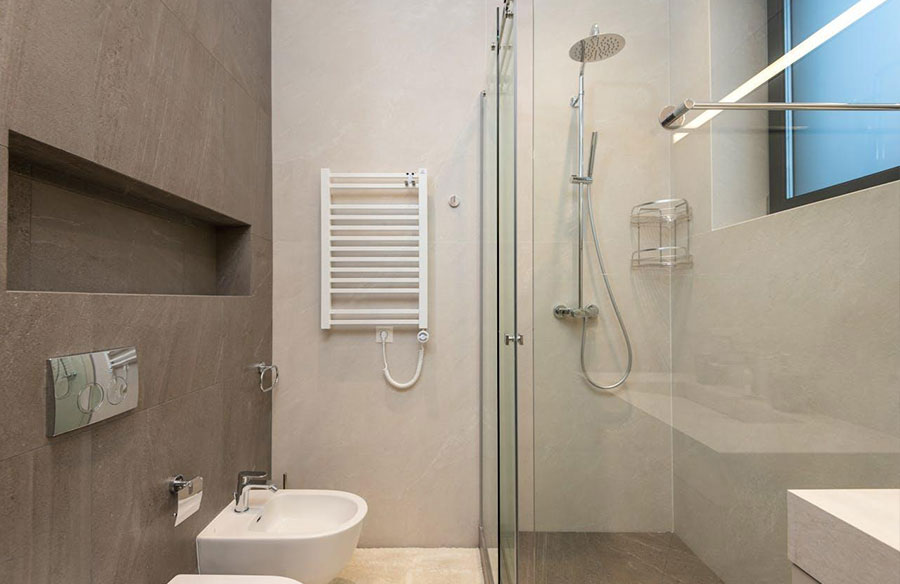
One of the most significant changes you can make is to replace your bathtub with a walk-in shower. High-sided tubs can be difficult and dangerous to navigate, especially for individuals with limited mobility. Walk-in showers, on the other hand, provide easier access and reduce the risk of falls.
If you’re considering this upgrade, work with a reliable company that specializes in tub to shower conversion. They’ll ensure the installation meets safety standards while matching your bathroom’s aesthetic. Professional installation also prevents issues like poor drainage, which can lead to water damage.
Another essential upgrade is installing grab bars in key areas. Place them near the toilet, inside the shower, and around the sink. These sturdy supports provide extra balance and security, especially on wet floors. Modern grab bars come in sleek designs that complement any bathroom style.
Anti-slip flooring is another must-have for an accessible bathroom. Traditional tiles can be extremely slippery when wet. Opt for textured tiles or vinyl flooring with slip-resistant coatings. This simple change significantly reduces the chance of accidents.
Upgrading fixtures like faucets and showerheads can also enhance accessibility. Lever-style faucets are easier to use than traditional knobs, while handheld showerheads allow for greater control and flexibility. These small adjustments make everyday tasks more manageable.
Designing for Functionality Without Sacrificing Style
Many homeowners worry that accessibility features will look clinical or out of place. However, modern designs prove this doesn’t have to be the case. Accessibility can be seamlessly integrated into a bathroom without sacrificing beauty.
Consider low-profile vanities that provide wheelchair access while maintaining a sleek appearance. Floating vanities, for example, offer plenty of legroom and add a contemporary touch. Similarly, zero-threshold showers create a clean, open look while improving functionality.
Lighting is another important aspect of bathroom accessibility. Proper lighting minimizes shadows and enhances visibility, reducing the risk of accidents. Install LED lights around mirrors and shower areas for bright, energy-efficient illumination.
Storage solutions can also play a role in accessibility. Adjustable shelving allows for easy access to toiletries and cleaning supplies. Keep frequently used items within arm’s reach to reduce the need for bending or stretching.
An often-overlooked feature is incorporating contrasting colors into the design. Using different shades for walls, floors, and fixtures helps those with vision impairments navigate the space more easily. Contrast adds both functionality and a design-forward aesthetic.
These thoughtful design choices don’t just improve safety—they elevate the overall bathroom experience. Accessibility doesn’t have to feel like a compromise when it’s done thoughtfully.
Broader Trends and the Importance of Inclusion
The push for accessible design reflects a growing cultural shift. Aging-in-place is becoming a popular choice for older adults who want to maintain independence. Families are realizing the benefits of creating spaces that adapt to life’s changes.
This trend aligns with broader societal movements toward inclusivity and sustainability. Homes that are accessible and durable are more likely to stand the test of time. They cater to diverse needs, ensuring comfort for every stage of life.
These changes also have economic implications. Retrofitting a bathroom with accessible features can save money on future renovations. It’s a proactive investment that enhances both safety and property value.
Overcoming Common Misconceptions
Some homeowners avoid accessibility upgrades because they believe these changes are expensive or unnecessary. In reality, many accessibility features are affordable and easy to install. For example, grab bars can cost as little as $30, while slip-resistant flooring is often competitively priced with traditional tiles.
Another misconception is that accessibility upgrades make a home look less appealing. As we’ve seen, modern designs blend functionality and aesthetics seamlessly. An accessible bathroom can be both beautiful and practical.
Finally, some believe these upgrades are only for older adults. The truth is, accessibility benefits everyone. Young families, individuals with injuries, and people of all ages can enjoy the safety and convenience of a well-designed bathroom.
Taking the First Step
Transforming your bathroom for better accessibility doesn’t have to be overwhelming. Start small by identifying key problem areas. Are the floors slippery? Is the tub difficult to use? Focus on the changes that will have the greatest impact.
Reach out to professionals for guidance and installation. Expert advice ensures that upgrades meet safety standards and provide long-lasting results. Whether it’s installing grab bars, replacing flooring, or converting a tub to a shower, the right help makes the process smooth.
Remember, an accessible bathroom isn’t just a convenience—it’s a necessity. By taking steps now, you’re creating a safer, more inclusive home for everyone who enters. It’s a decision that benefits both today and tomorrow.