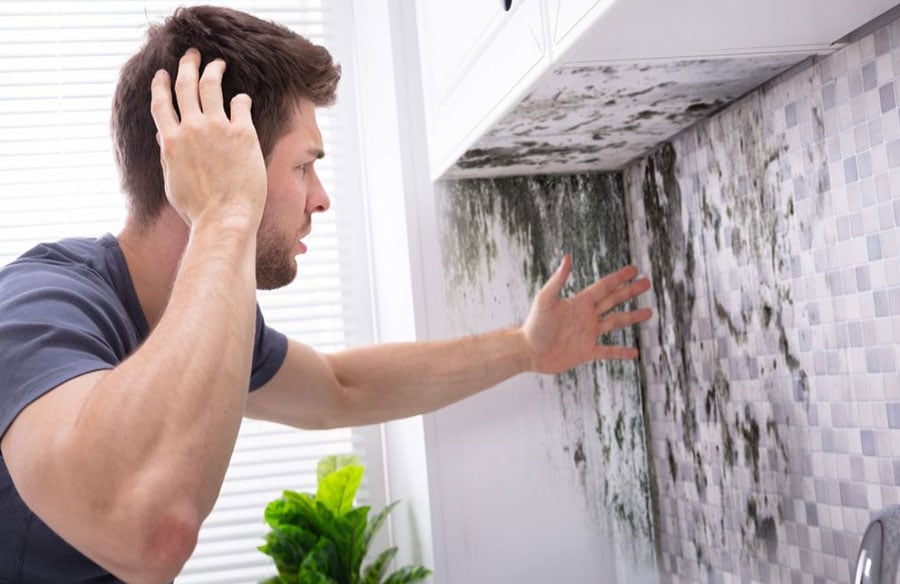
Mold is a common household problem, but not all molds are the same. One of the most concerning types is black mold, scientifically known as Stachybotrys chartarum. This type of mold can pose serious health risks if not dealt with promptly. Understanding the risk of black mold in your home is important for protecting your health and your property. Here, we’ll explain how black mold grows and why it’s dangerous. We’ll also cover tips to prevent and remove it effectively. If you want the best services for Mold Removal and Remediation in Norcross, contact MMI Home Improvement Pro.
What is Black Mold?
Black mold is a fungus that thrives in damp, warm, and dark places. It often appears as dark green or black patches on walls, ceilings, or carpets. Common areas for black mold growth include:
- Bathrooms
- Kitchens
- Basements
- Around leaky windows or pipes
Black mold spreads by releasing tiny spores into the air. These spores can be harmful, especially when inhaled or touched, so controlling their growth is essential.
How Does Black Mold Grow?
Black mold needs three things to grow:
- Moisture: Leaks, high humidity, or water damage can create the perfect environment for mold.
- Food: Mold feeds on organic materials like wood, drywall, and carpet fibers.
- Warmth: Mold thrives in temperatures between 60°F and 80°F.
If these conditions exist, mold can grow within 24 to 48 hours. Ignoring the problem allows it to spread and increases the risk of black mold exposure.
What Are the Health Risks of Black Mold?
Black mold is known for producing mycotoxins, which are harmful chemicals that can affect your health. Here are some of the common health risks:
Respiratory Issues
- Inhaling black mold spores can irritate the lungs and airways.
- Symptoms include coughing, wheezing, and shortness of breath.
Allergic Reactions
- Many people are allergic to mold spores.
- Reactions may include sneezing, runny nose, itchy eyes, and skin rashes.
Asthma Complications
- Black mold can trigger asthma attacks or worsen existing asthma.
Neurological Effects
- Prolonged exposure to mycotoxins may lead to headaches, fatigue, or even memory problems.
Weakened Immune System
- People with weakened immune systems, such as the elderly, children, or those with chronic illnesses, are more vulnerable to the effects of black mold.
Also Read: What is the difference between non-toxic and toxic mold?
What Are the Property Risks of Black Mold?
Beyond health risks, black mold can cause significant damage to your home:
Structural Damage
- Mold eats away at materials like wood and drywall, weakening the structure of your home.
Decreased Property Value
- A mold problem can make it harder to sell your home and lower its market value.
Costly Repairs
- If mold spreads, removing it and repairing the damage can be expensive.
Preventing mold growth is always more cost-effective than dealing with its consequences later.
How to Prevent Black Mold in Your Home
The best way to reduce the risk of black mold is to prevent it from growing in the first place. Here are some tips:
- Control Moisture
- Fix leaks in roofs, walls, and plumbing promptly.
- Use dehumidifiers to maintain indoor humidity below 50%.
- Improve Ventilation
- Use exhaust fans in bathrooms and kitchens to reduce moisture buildup.
- Open windows regularly for better air circulation.
- Clean Regularly
- Dry spills immediately to prevent moisture buildup.
- Keep bathrooms and basements dry and free of clutter.
- Use Mold-Resistant Products
- Install mold-resistant drywall in moisture-prone areas.
- Apply mold-resistant paint for added protection.
These steps help prevent black mold and promote a healthy home.
How to Remove Black Mold
If you already have black mold in your home, take these steps to remove it safely:
- Protect Yourself
- Wear gloves, goggles, and a mask to avoid exposure to mold spores.
- Clean Small Areas Yourself
- Use a mixture of water and detergent to scrub moldy surfaces.
- Avoid using bleach unless recommended by a professional.
- Hire a Professional for Large Areas
- For areas larger than 10 square feet or if mold is in the HVAC system, call a professional mold remediation company.
- Fix the Source of Moisture
- Ensure the problem that caused the mold, such as a leak, is fixed to prevent it from returning.
When Should You Seek Help?
If you notice any of these signs, it’s time to call a professional:
- A musty smell that doesn’t go away.
- Large patches of visible mold.
- Health symptoms that worsen indoors.
Mold specialists can assess the extent of the problem and recommend the best course of action to keep your home safe.
Summary
The risks of black mold in your home are not something to take lightly. Black mold can harm your health and cause serious damage to your property. You can protect your home and loved ones by understanding what causes mold, how to prevent it, and how to remove it.
Act quickly at the first sign of black mold, and don’t hesitate to seek professional help. A clean, mold-free home is a safe and happy home!