
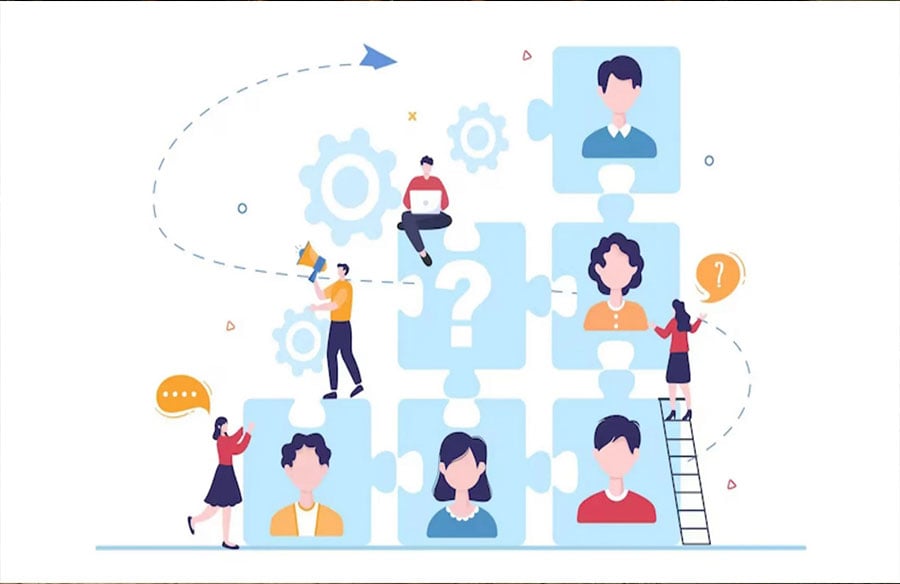
The role of human resources (HR) is changing quickly due to new technology, evolving workplace expectations, and a stronger focus on employee well-being. As companies face new challenges, HR teams adopt trends that enhance efficiency, inclusivity, and innovation.
Here are some key HR trends that are shaping the future of work.
Employee Wellness is Essential
More companies focus on employee wellness beyond gym memberships or yearly health checks. Now, wellness includes mental, emotional, and financial health. Employers are investing in programs that help manage stress, promote mindfulness, and encourage work-life balance.
Examples include flexible work hours, teletherapy options, and financial planning services. This trend shows a shift in workplace culture, where supporting employee well-being is vital for productivity and retaining staff.
The Increase of Remote Work
Remote work has moved from a temporary option to a long-term solution in many companies. As organizations adopt hybrid or fully remote setups, HR professionals are working to keep engagement, collaboration, and inclusivity strong among remote teams.
This trend brings challenges like managing different time zones, ensuring fair evaluations, and building a sense of community. HR teams use solutions like online team-building activities and collaboration tools to effectively manage remote work’s complexities.
Growth of Human Resource Consulting
Human resource consulting is becoming essential for businesses that need to adapt quickly to workplace changes. These consultants provide expertise in areas such as hiring, organizational development, and compliance, helping companies use best practices without overloading their internal teams.
HR consultants offer custom strategies for smooth transitions for businesses going through changes like scaling up, restructuring, or adopting new technology. Their guidance helps organizations manage complexities efficiently, making them important partners for forward-thinking HR teams.
AI-Powered Recruitment
Artificial intelligence (AI) is changing recruitment by automating tasks and helping make better decisions. AI tools can screen resumes and schedule interviews, which allows HR teams to focus on getting to know candidates better.
Predictive analytics is also important. By looking at data, AI can find candidates likely to do well in certain roles. This increases hiring accuracy and reduces the time it takes to hire, making the process smoother for everyone.
Diversity, Equity, and Inclusion (DEI)
Diversity, equity, and inclusion are vital for a company’s success. Businesses are working to create environments where employees from different backgrounds feel valued and empowered.
HR teams use data to find and fix hiring, promotions, and pay gaps. They are also implementing training programs to address unconscious bias and promote allyship. This focus on DEI improves workplace culture and helps foster innovation.
Continuous Learning and Upskilling
As industries change, the need for new skills increases. Employers are emphasizing continuous learning to keep teams competitive and engaged. Upskilling options, like online courses and mentorships, help employees meet changing job demands.
HR departments identify skill gaps and provide access to training resources. Committing to employee development boosts morale and helps businesses adapt to change.
Advanced People Analytics
Data-driven decisions are changing HR operations. People analytics tools offer insights into employee performance, turnover, and engagement, helping organizations make better workforce decisions.
These tools also enable predictive modelling, letting HR teams foresee issues and take preventive actions. Using data, HR professionals can align strategies with business goals for long-term success.
Flexible Benefits Programs
Instead of the usual one-size-fits-all benefits packages, companies now offer customizable choices to meet different employee needs. Flexible benefits programs allow employees to select perks that matter to them, such as childcare support or wellness programs.
This trend shows that companies recognize employees have unique priorities. Offering personalized benefits attracts top talent and fosters loyalty and job satisfaction.
Gamification in HR
Gamification is becoming popular in HR practices. It offers an engaging way to improve learning, performance, and employee involvement. By adding game-like elements such as points, badges, and leaderboards to training programs or performance reviews, companies can motivate employees and make routine tasks more enjoyable.
This method not only increases participation but also helps employees remember information better. Gamification works well in onboarding, turning a typically dull process into an exciting and interactive experience.
Mental Health Support Integration
Mental health is now a key part of HR strategy because businesses see its effect on productivity and employee satisfaction. Companies are adding mental health support to their benefits programs, providing access to counselling services, stress management workshops, and mindfulness apps.
HR teams are also working to normalize mental health discussions in the workplace through awareness campaigns and manager training. Organizations can make employees feel safe and valued by creating a culture of openness and support.